FREE SHIPPING ON ORDERS $200+






What are moisturising ingredients for?
Moisturising ingredients are used in skincare to increase water retention within the skin. The primary function of a moisturiser is to prevent water loss, but they are also formulated with ingredients that can add hydration directly to the skin. When the skin barrier becomes damaged, there is an increased chance of transepidermal water loss (TEWL), where water passes through the dermis and epidermis and evaporates from the skin. This is where moisturisers come into play.
Humectants, emollients and occlusives are all types of moisturising ingredients, but they each work in different ways. Let us explain...
What are humectants?
Humectants are ingredients used in skincare to increase the skin’s hydration. They do so by attracting and retaining water molecules thanks to their hygroscopic (water-loving) nature. Humectant-containing products will always be formulated with water and so are used to add water to the skin directly. You will find humectants in most hydrating serums, mists and moisturisers.
Common humectant ingredients include:
- Hyaluronic acid
- Glycerin
- Polyglutamic acid
What are emollients?
Emollients are lipid-like substances that prevent the loss of moisture (known as transepidermal water loss, or TEWL) from the skin. Due to their lipid nature, they can fill any ‘gaps’ that might form on the skin barrier if it becomes compromised, reinforcing the skin’s natural protective shield and preventing water loss. By doing so, they smooth the skin’s surface and, in turn, soften the skin, which makes emollients excellent conditioning agents. Emollients can range from lighter lipids to heavier butters; some heavier emollients also have occlusive properties. You will find emollients primarily in your moisturising creams and lotions.
Common emollient ingredients include:
- Squalane
- Ceramides
- Caprylic/capric triglyceride (CCT)
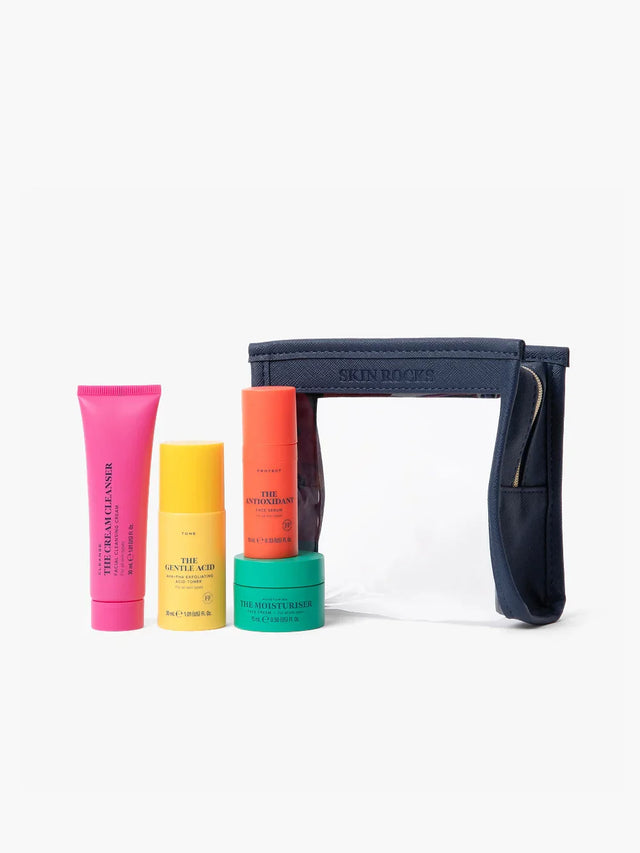
Emollient-containing products we love:
Featured products
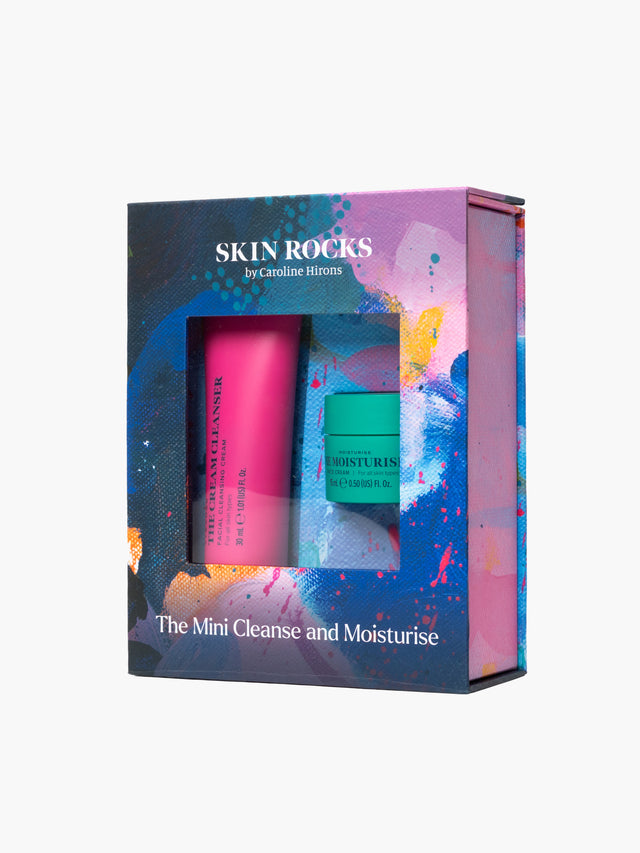
- The Moisturiser — Skin Rocks by Caroline Hirons
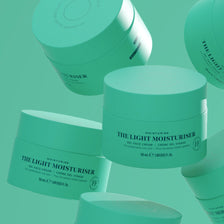
- The Light Moisturiser — Skin Rocks by Caroline Hirons
What are occlusives?
These are oil-soluble ingredients added to skincare products to prevent TEWL. They are generally heavier butters and waxes, and their oil-soluble nature means that they repel water precisely how they lock in hydration to the skin. In contrast to lighter emollients, occlusives prevent water loss by forming a barrier (almost like a physical ‘film’) on the skin that water molecules cannot pass. These ingredients are solely used to prevent water loss and do not add any hydration to the skin. You will find occlusives in your moisturisers and barrier balms.
 Some common occlusive ingredients:
- Lanolin
- Petrolatum
- Cocoa butter
Occlusive-containing products we love:
How are these moisturising agents used together?
A good moisturiser will contain two out of three of these ingredients, depending on the type of moisturiser. For example, your everyday moisturiser should include, at a minimum, a humectant and emollient, whilst your heavier barrier balms will likely contain occlusives and emollients, as their sole purpose is to lock in hydration from other products. It’s important to note that where products containing only emollients and occlusives are used, they should always be applied after the water has been added to the skin (e.g. via a humectant-containing hydrating serum or mist) to hydrate the skin.
Words by Ceyda Faik-Yildirim MSci (Chemistry) - Team Skin Rocks
All Think Science™ content published by Skin Rocks is researched, written, and peer-reviewed by our in-house, qualified scientists.