FREE SHIPPING ON ORDERS $200+








What is collagen?
Collagen is a protein made up of amino acids (namely, proline, glycine and hydroxyproline), that acts as a major building block of your skin, bones, muscles and organs. Our skin produces collagen through cells called fibroblasts; however, as we age (specifically from mid to late 20s onwards), collagen production starts to decrease, leading to wrinkles, crepiness and sagging of the skin over time. The wound-healing process also slows down, and the skin generally becomes less resilient.
Types of collagen:
Collagen makes up almost one third of the body’s proteins. To date, 28 types of collagen have been identified, but the majority in the body consists of types I, II and III. The type of collagen depends on which part of the body it's located.
- Type I collagen: this is the most abundant type, making up around 90% of your body’s collagen. Your skin, tendons, bones and other connective tissues contain type I collagen. It’s responsible for your skin’s elasticity and strength
- Type II collagen: found primarily in your cartilage, it provides support and flexibility to your joints
- Type III collagen: often found alongside type I, it’s present in your skin, muscles, blood vessels and internal organs
What impacts your collagen levels?
In women, the key thing to remember is your collagen is directly linked to your ovaries – the female sex hormone, oestrogen, plays an integral role in stimulating collagen production. As menopause hits, plummeting levels have a significant impact, causing production to slow and your collagen to break down at a faster rate.
Aside from the natural ageing process (intrinsic ageing), external factors can degrade and accelerate this vital protein's decline. This is called extrinsic ageing.
- Sugar – Sugar takes a hammer and chisel to your collagen via glycation. This chemical reaction forms destructive molecules called advanced glycation end products (AGEs, for short), which attach to collagen fibres and cause them to become weak, stiff and brittle.
- UV light – UV radiation (from excess sun exposure) can cause your collagen to break down at a faster rate. It does this by increasing the production of enzymes that degrade collagen, and repeated, continued exposure only speeds up the process.
- Pollution - pollution particles dehydrate the skin and speed up the breakdown of collagen and elastin, the proteins that keep skin firm and stretchy.
- Smoking – Smoking deprives your skin of oxygen and destroys your collagen.
- Stress – Excess cortisol (your body's stress hormone) and the inflammation that comes with it can have a negative impact on your collagen levels.
*UV and pollution, also create free radicals (unstable molecules), causing oxidative stress that damages healthy collagen.
Chronic inflammation significantly accelerates skin ageing, a process often termed "inflammaging". It breaks down collagen and elastin fibers faster, leading to premature wrinkles, sagging, and a loss of firmness. This persistent, low-grade inflammation exhausts the skin's defense system, causes dehydration, and increases sensitivity. UV, pollution and stress are key triggers in inflammation.
Product Recommendations:
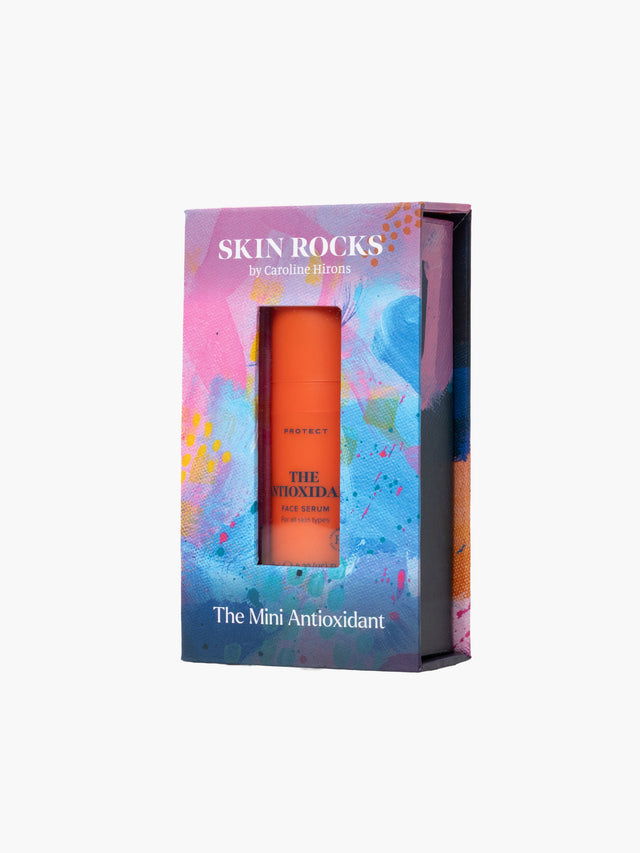
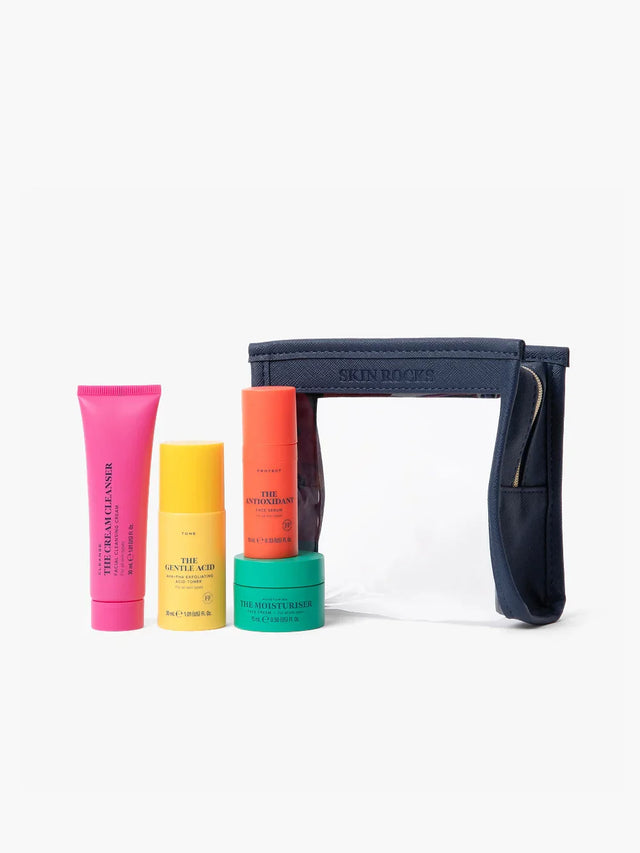
Skin Rocks The Antioxidant:
This is more than just a vitamin C serum. Shielding the skin from damaging free radicals caused by pollution and UV rays, this potent serum delivers instant radiance whilst helping to preserve collagen levels and prevent accelerated ageing.
Skin Rocks Retinoids:
Each of the Retinoids encourages the skin to renew itself and helps promote collagen and elastin production, while simultaneously conditioning to reveal a smooth, even complexion.
Peptides:
Are essential building blocks of the skin, supporting collagen, elastin, and keratin production. When added to your skincare routine, they help encourage the skin’s natural repair processes, reinforcing the skin barrier and improving overall resilience.
SPF:
Consistent SPF use helps protect collagen in the skin by shielding it from UVA and UVB rays, which break down collagen and elastin, leading to premature ageing, loss of firmness and fine lines. Apply a sunscreen of SPF 50 or above daily and reapply every two hours when outdoors for extended periods.
What are collagen supplements?
Collagen supplements aim to support the skin’s structural integrity from the inside by supplying specific amino acids and peptides that may encourage the skin’s own collagen-producing cells (fibroblasts) to function more effectively.
They are most commonly available as powders, liquids or capsules and are intended to complement — not replace — topical skincare and sun protection.
Collagen supplements can come from various sources. The most common ones include:
- Bovine collagen: sourced from cows, bovine collagen is rich in types I and III collagen. It’s common in supplements and known for its benefits for skin, joints and bones.
- Marine collagen: extracted from fish, marine collagen primarily contains type I collagen. Marine collagen supplements may promote skin health and elasticity.
- Porcine collagen: derived from pigs, porcine collagen is similar in composition to human collagen. It contains types I and III collagen.
- Chicken collagen: often sourced from chicken cartilage or bones, this type of collagen contains primarily type II collagen. Typically used in supplements aimed at joint health.
- Plant-based collagen boosters: while actual collagen can only come from animals, plant-based collagen boosters contain ingredients that support the body’s collagen production. They aim to enhance collagen synthesis naturally and provide a collagen alternative for vegetarians and vegans
Are collagen supplements effective — do they work?
Clinical studies have shown improvements in skin hydration, elasticity and firmness after regular intake over several weeks. That said, results are not guaranteed and vary between individuals. Collagen supplements work best as part of a broader skin-supportive approach – sun protection, a balanced diet and healthy lifestyle habits – they are supportive, not transformative.
Can you take too much collagen?
Very high intakes have not been well studied long-term, and more is not necessarily better. Taking more of a supplement than your body can effectively use does not lead to extra benefits — and may add no benefit at all. Anyone who is pregnant, breastfeeding, has allergies (especially to fish or shellfish), or has a medical condition should seek professional advice before supplementing.
How long do I need to take collagen before I see results?
Collagen supplementation is not a quick fix, it works by supporting gradual changes in the dermis, so results take time.
Most studies show measurable improvements in skin hydration and elasticity after 8–12 weeks of daily use. Some people may notice subtle changes earlier, but meaningful structural improvements typically require consistent intake over at least two to three months. When introducing collagen supplements, it is recommended to document your skin progress. Taking photos at the start, again at 4, 8 and 12 weeks.
Importantly, collagen supplements need to be taken consistently over time to maintain results. Once supplementation stops, the skin will gradually return to its baseline collagen status over time.
Words by Charlie De Cesare - Team Skin Rocks