FREE SHIPPING ON ORDERS $200+







Antioxidant properties
Firstly, let's tackle what an antioxidant is and how it functions. As the name suggests, this family of ingredients are "against" oxidation – but what is wrong with oxidation?
The damage caused by excess oxidation can cause quite the stir in the development of skincare concerns such as skin ageing, dark spots, blemishes and dullness. The culprits for inflicting oxidative damage are free radicals. These are unstable molecules as they are missing an electron (flashback to chemistry GCSE). Free radicals like to attack healthy cells to gain the missing electron, causing oxidative damage. These are unstable molecules as they are missing an electron (flashback to chemistry GCSE). Free radicals like to attack healthy cells to gain the missing electron, causing oxidative damage.
The formation of free radicals comes from external aggressors such as UV exposure and pollution.
Environmental aggressors » free radicals » oxidative damage
Now it's time for antioxidants, like vitamin C, to work its magic. It sequesters (mops up) free radicals, stopping them from causing oxidative damage and therefore wreaking havoc on the skin.
Brightening properties
In addition to its antioxidant properties, vitamin C is also a known tyrosinase inhibitor. This means that it helps to inhibit the activity of the tyrosinase enzyme, which is responsible for the production of pigment within the skin. When this enzyme is overactive, it can lead to uneven skin tone and hyperpigmentation forming. This means that vitamin C can help to visibly brighten the skin and reduce hyperpigmentation, which is why you’ll see it as the start of the show in so many brightening products.
So, now we have determined how vitamin C works, how do we incorporate it into a skincare product? It is important to note that there are a multitude of different forms of vitamin C available on the market.
Ascorbic acid
The most researched and potent form, also known as L-ascorbic acid. This is a water-soluble form that is pretty unstable, which is why you'll often find it in opaque bottles. For it to function optimally, it requires a more acidic pH (<4), which can be irritating to the skin. If you opt for this form in a product, then start at 10% concentration and introduce slowly (as you should for any new active you're adding to your routine). If you have sensitive skin, look for a higher pH of 5-6 or opt for an alternative form of vitamin C. More on this next...
Other forms of vitamin C
There are many other forms of vitamin C. Some of the most notable include sodium ascorbyl phosphate, ascorbyl palmitate, tetrahexyldecyl ascorbate (THDA) and 3-O-ethyl ascorbic acid. They are more stable and can be better suited to those with sensitive skin or those looking to incorporate vitamin C into their routine.
How to use vitamin C in your routine
- Use in either your AM or PM routine, after cleansing and before moisturising. The majority of people choose to use antioxidant serums in their AM routine, since the daytime is when your skin will be most exposed to external aggressors. However, antioxidants have also been shown to be particularly beneficial when used at night too.
- Using both a sun protection and an antioxidant product – such as a vitamin C serum – is the gold standard in skin protection. Always remember, your antioxidant doesn't protect your skin in the way that sunscreen does, but together they can work in synergy to offer even greater protection.
- Determine what your main concern is when choosing a vitamin C product. At Skin Rocks, we currently formulate two of our serums with vitamin C:
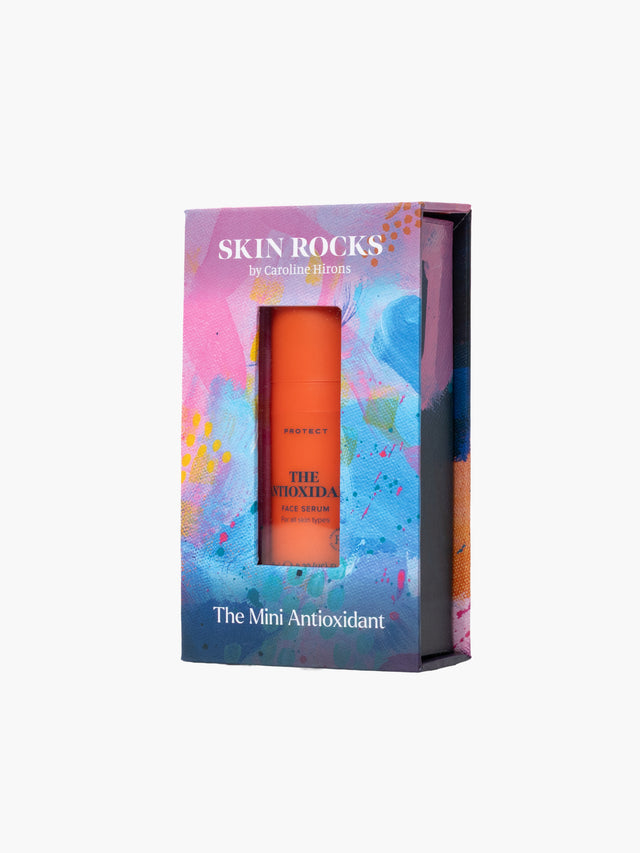
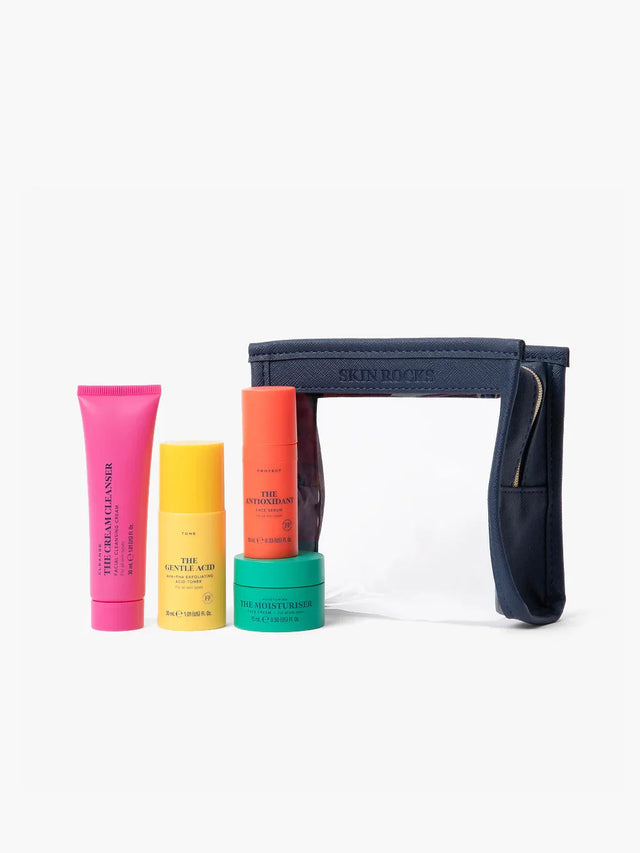
The Antioxidant: If you are after daily antioxidant protection with brightening benefits, opt for The Antioxidant. It is formulated with THDA alongside other brilliant antioxidant ingredients to give your skin 360 protection.
The Hyperpigmentation Serum: If your main concern is hyperpigmentation, opt for The Hyperpigmentation serum. It is formulated with 3-O-ethyl ascorbic acid – a stabilised form of vitamin C that helps to reduce hyperpigmentation and prevent it from worsening – alongside other pigment-reducing actives.
Words by Ceyda Faik-Yildirim MSci – Team Skin Rocks
Qualifications – MSci Chemistry (Hons), VTCT Level 2 Facial Massage and Skincare, VTCT Level 3 Electrotherapy Methods and Anatomy & Physiology