FREE SHIPPING ON ORDERS $200+








1. Skincare First, Sunscreen Last.
One of the simplest rules to learn is that sunscreen application comes last in your routine. You will not get adequate protection by mixing sunscreen into moisturisers, primers or makeup, as it needs to form an even protective layer on top of your skin with coverage that would far exceed the small amount being mixed into other formulations. You may have a moisturiser, foundation or primer that state they have an SPF built in, but these products should not be a replacement for a dedicated sunscreen. Use a separate sunscreen after your moisturiser and before your makeup.
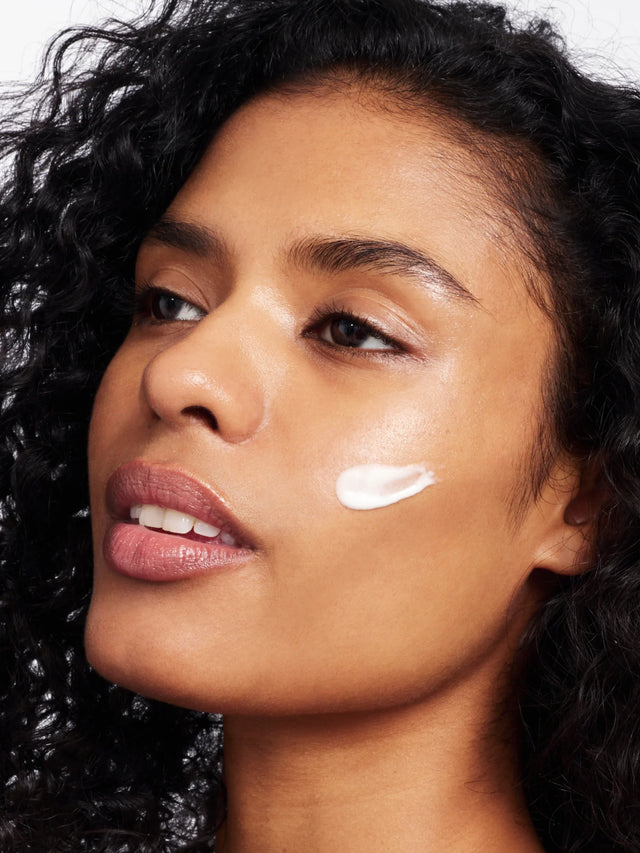
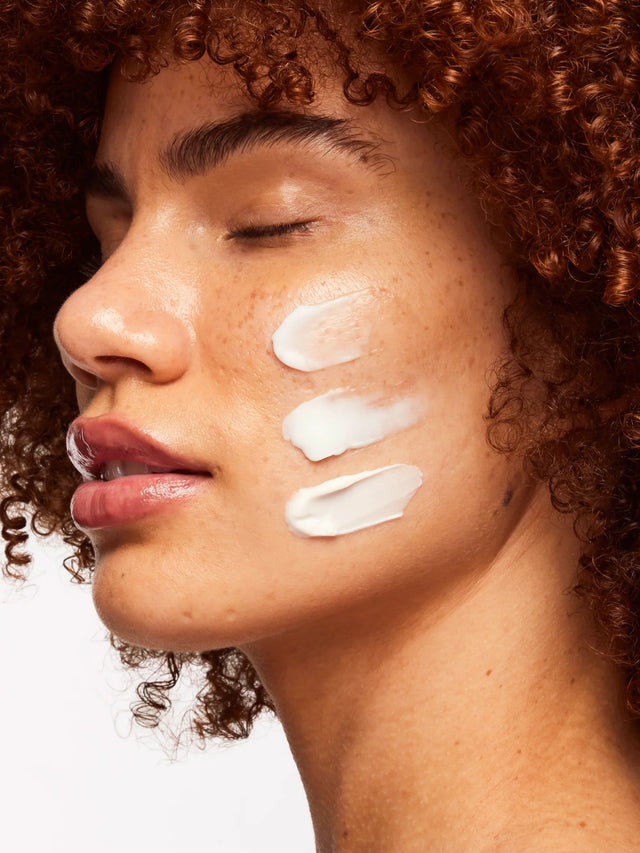
Do not be swayed by an ‘SPF moisturiser’. The amount of moisturiser the average person applies is usually far less than the amount used when sunscreen undergoes testing —meaning you will not be getting the level of protection stated on the label. For makeup it's far less. As a rule, you should be using two fingers' lengths of sunscreen to properly protect your face. Now imagine applying this much ‘SPF’ foundation: nobody would ever do this.
2. One application and you’re done
Applying sunscreen once in the morning and forgetting about it for the rest of the day isn't enough—particularly if you're spending extended periods of time outdoors. Throughout the day, sunscreen can be worn away by sweat, swimming, rubbing or touching your face, towelling off or simply going about your day. Your face is in constant movement and it’s imperative to top up regularly to maintain protection.
Guidance for reapplication is every 2 hours, including areas that are often forgotten. Most basal cell carcinomas develop on the head and neck (including the ears, nose, eyelids and scalp) and adequate protection to these areas is important, including reapplication every two hours when outdoors.
If you're swimming or sweating, opt for a water-resistant sunscreen and reapply as directed. Remember: no sunscreen is completely waterproof.
3. You’re inside all day so don’t need sunscreen
If you're spending most of your day indoors, away from direct sunlight, not sweating and not frequently touching or rubbing your face, the need to reapply every two hours is less clear-cut— with some guidance suggesting application every 4-6 hours is sufficient. However, if you're sitting near a window, spending time outdoors during the day or driving, it’s still worth topping up your protection every 2 hours.
4. Sunscreen is just for holidays
This is probably the biggest and most dangerous misconception. A YouGov survey of more than 2,000 UK participants commissioned by Face the Future in 2024 found that a shocking 40% of UK people who wear sunscreen said they only buy it when they go on holiday, and 55% said they only wear it when it is sunny.
It’s easy to understand the mindset, especially when it’s overcast, grey and raining, but UVA is present throughout the year and can penetrate clouds and glass, meaning your skin can be exposed even when it’s cloudy or when you’re indoors near a window. Sunscreen needs to be a daily habit.
5. Darker skin tones don’t need sunscreen
While darker skin tones are not as vulnerable to UV light because of their built-in SPF of around 13.3, they still need protection from UV damage and should use a minimum of SPF 30. People with darker skin can still develop sun damage, hyperpigmentation, premature skin ageing and skin cancer, and prolonged UV exposure can still cause cumulative skin degradation. Although skin cancer is less common in people with darker skin, the risk isn't zero, and when melanoma does occur, it may be diagnosed at a later stage, partly because of the misconception that darker skins are not at risk.
Remember these five things:
- Use a dedicated sunscreen: do not rely on a sunscreen 'built in' to your moisturiser or makeup.
- Apply it last: sunscreen should be the final step of your skincare routine.
- Top it up: especially when you're spending time outdoors, sweating or swimming.
- Don't wait for sunshine: UV exposure isn't limited to hot, sunny weather or holidays.
- Everybody, everyday: Consider sunscreen an integral part of your AM skincare routine, whatever your skin type and tone.
Words by Nicky Connors - Team Skin Rocks
Qualifications - Beauty Industry Professional, 28 years | BA (Hons) English | Beauty Writer | Copy Editor | HND Specialist Makeup