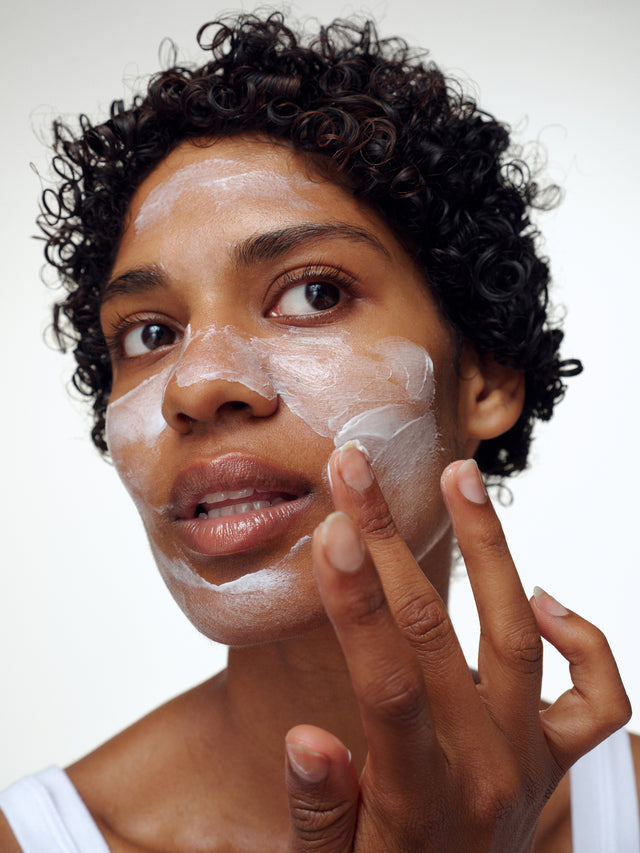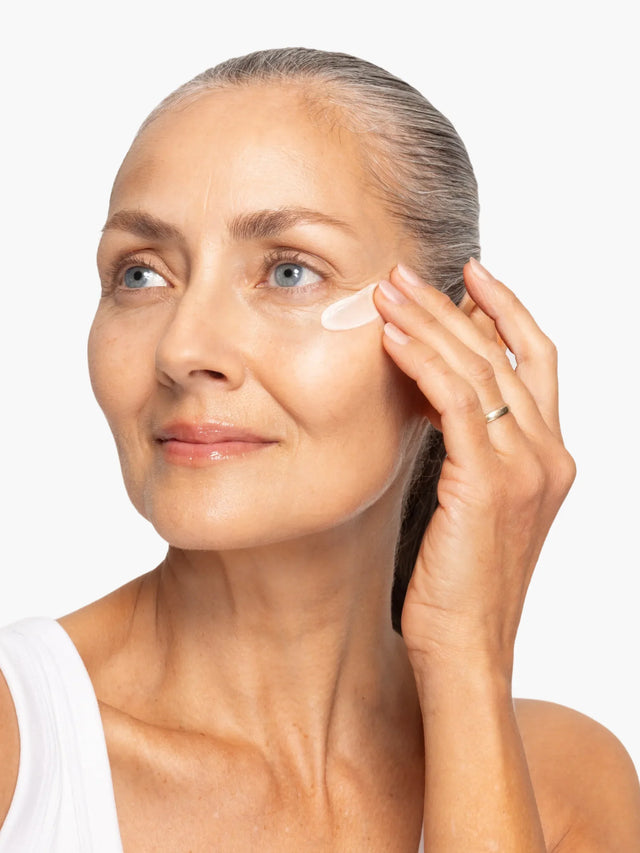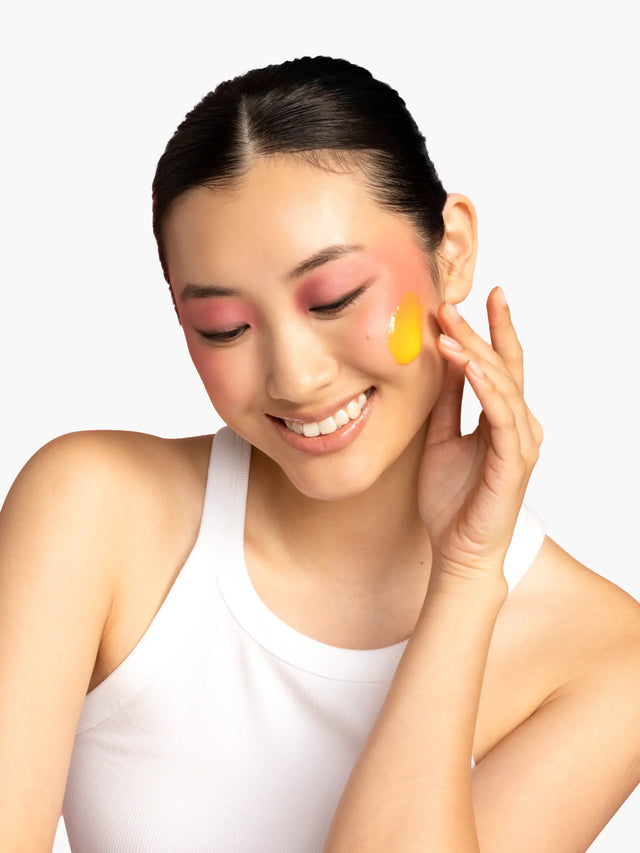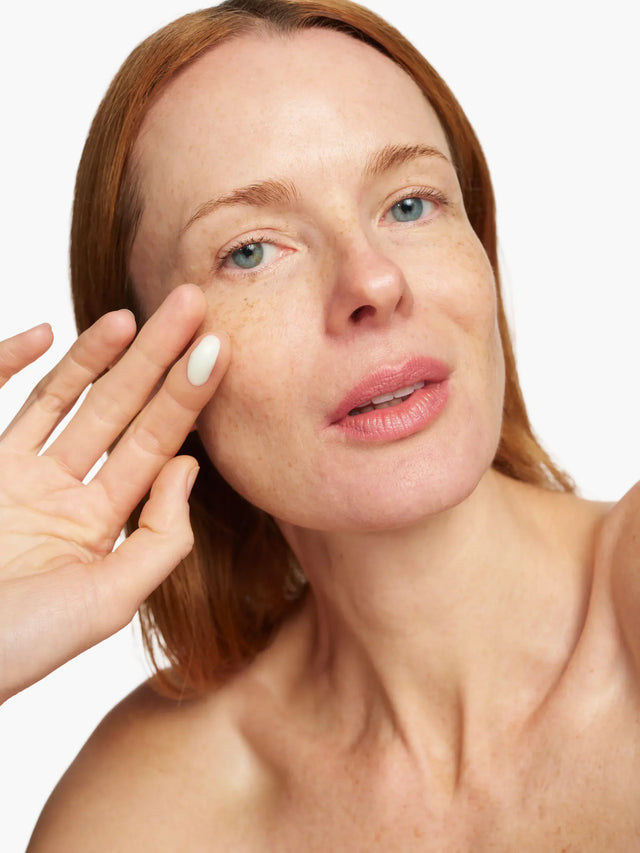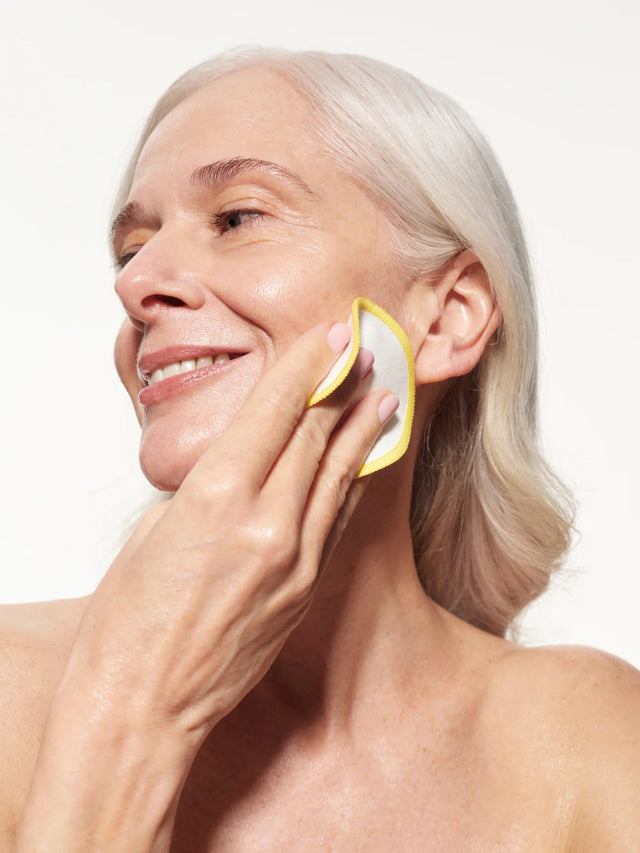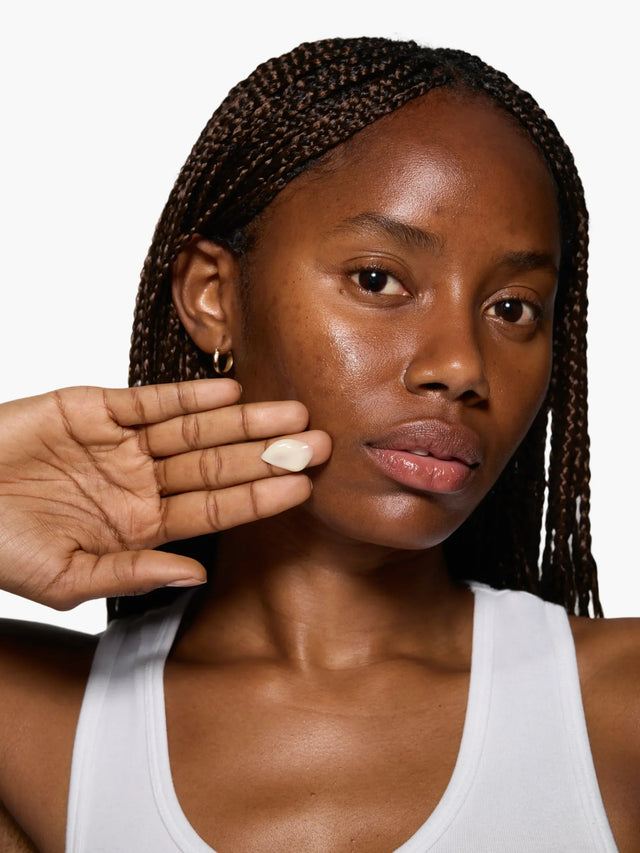

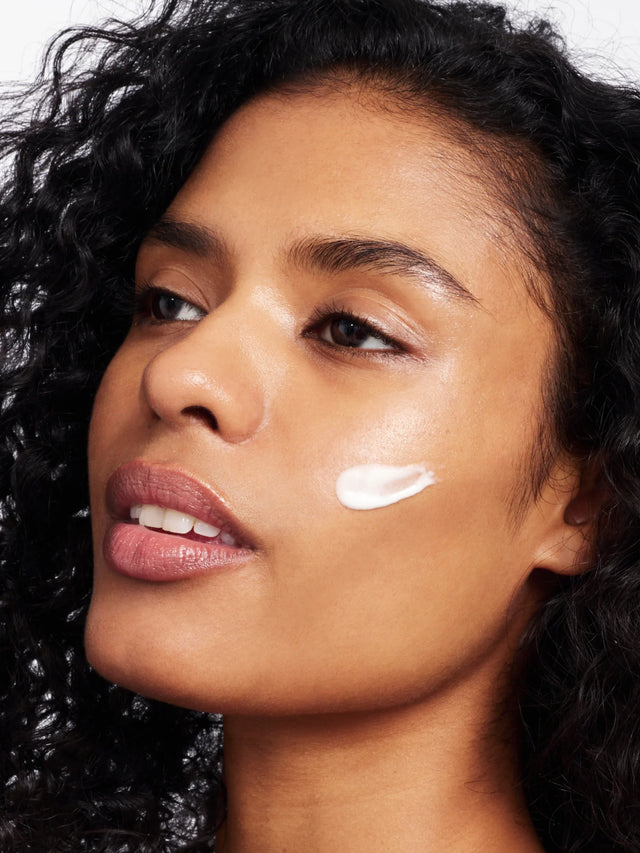



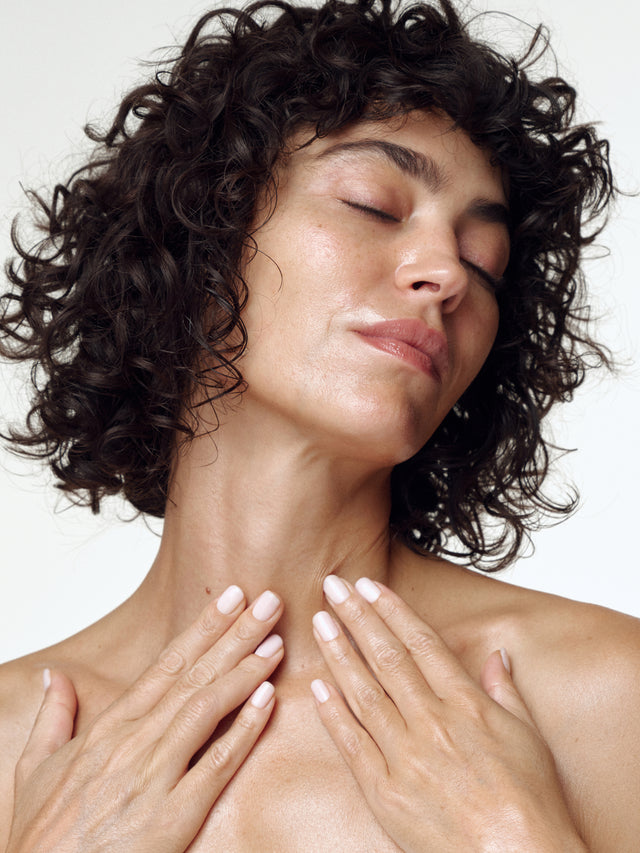

To those unaware of its neurological effects, a facial may seem like a treatment focused solely on the skin. But if you’ve ever experienced an exceptional facial, you may have wondered how it can leave you feeling so profoundly relaxed. Much of this comes down to the facialist’s expertise, technique and touch — and the powerful impact these can have on the brain.
The sense of relaxation usually starts well before the treatment itself, with a carefully considered treatment room environment: low lighting, subtle scents and calming music, often set at 60–80 beats per minute to reflect a resting heart rate. Warm treatment beds and towels provide physical comfort, while the rhythm of massage and application of creams and oils aid sensory relaxation and allow you to fully engage with the treatment.
What is touch?
Our skin is in constant conversation with the brain, sending information about pressure, temperature, movement and sensation through the nervous system. And while we are only beginning to fully understand the complex relationship between touch, emotion and wellbeing, neuroscience is increasingly helping us explore why certain forms of safe, intentional touch can feel so deeply calming. A facial has effects that go far beyond a series of skincare steps, and can be seen as a multisensory experience that combines touch, attention, environment and ritual that can help the mind and body decompress and slow down.
Before we explore why certain types of touch can feel so calming, what happens when we touch something? How does the skin detect touch, and how does that information make its way to the brain?
We asked neuroscientist Dr Alex Armstrong to explain:
Our skin may seem simple, but it contains roughly 4 million receptors of several different types. These receptors detect different aspects of touch, such as the force of the touch itself or the temperature of what we are touching. When these receptors are activated, they send electrical signals along our nerves towards the brain, where the information can be processed and interpreted.
The science of soothing touch
Touch is one of the first sensory systems to develop. In fact, research suggests that tactile responses can be observed as early as around seven to eight weeks of gestation, with stimulation around the developing mouth triggering reflexive movements. This makes touch the earliest developing of the major sensory systems, with auditory and visual responses emerging later in pregnancy. It is a huge part of how we move through the world and can communicate something words sometimes cannot: comfort, reassurance and connection.
But what makes certain types of touch feel calming rather than simply physical? The answer lies in the way the brain interprets the sensation; not just the fact that we are being touched, but how, where and in what context.
Dr Armstrong, why is touch so important to our mental and emotional wellbeing, and what makes certain types of touch feel particularly comforting or calming?
Humans are naturally social animals, and like other mammals, we have specialised nerve fibres in our skin called C-tactile afferents. These nerve fibres are particularly sensitive to soft, gentle and slow touch, such as a caress or a gentle stroke. Rather than simply telling the brain that we have been touched, they also appear to play a role in how pleasant that touch feels. This may help explain why certain types of touch can feel comforting or calming. These effects can also trigger the release of neurotransmitters such as oxytocin, which can reduce levels of the stress hormone cortisol and produce physiological effects such as a lower heart rate.
Why does some touch feel more soothing than others?
Not all touch is experienced in the same way. A quick tap on the arm, a firm massage and a slow stroke across the face all send different information to the brain, and they can feel very different emotionally, too. Research has identified specialised sensory pathways involved in processing certain forms of pleasant, gentle touch. These pathways respond particularly to slow, soothing contact and appear to play a role in how we experience touch as pleasurable, comforting or calming.
Dr Armstrong, what is it about slow, gentle touch that makes it feel different from other forms of touch?
Different forms of touch can activate different receptors in the skin. For example, Merkel discs help us detect fine touch and pressure, while Pacinian corpuscles, which are located deeper in the skin, respond to deeper pressure and vibration. Meissner’s corpuscles, found in areas such as the lips and fingertips, are particularly sensitive to very light touch. Alongside these receptors, the C-tactile afferents we have already discussed are particularly responsive to gentle, slow touch and contribute to how we experience its emotional qualities.
In other words, activating different receptors sends different signals along different neural pathways to the brain. This means that the type of touch we experience can influence not only what we physically feel, but also how we feel emotionally.
Dr Armstrong, how much does context influence the way our brains respond to touch?
Context has great influence on all our senses and can drastically change how our brains respond to stimuli. For example, a touch on the face can have completely opposite effects; when the touch is from a partner it can release oxytocin and decrease stress, while a touch on the face from a stranger will quickly raise cortisol levels and increase stress.
This may be particularly relevant to facial treatments, where touch is combined with a sense of trust, privacy and being cared for. Whilst touch is the main focus, it sits within a wider scaffold of sensory and emotional cues: the environment, the ritualistic process, and the feeling of being looked after.
Why is the face distinctive?
There is something particularly intimate about having our face touched. Unlike most parts of the body, the face is central to how we communicate, express emotion and recognise one another. It is also richly supplied with sensory nerves, making it highly responsive to touch. A facial therefore combines two things that are neurologically significant: an area of the body with a great deal of sensory information, and a form of touch that is typically slow, gentle and highly attentive.
Dr Armstrong is there anything neurologically distinctive about touch on the face? And could the sensitivity of the face help explain why facial massage can feel particularly relaxing or emotionally powerful?
The brain contains a representation of our entire bodies in the sensory cortex known as the homunculus. This, however, is biased towards areas such as the face or hands. These areas are heavily innervated by sensory receptors, which is why the sense of touch can feel particularly ‘strong’ in these places.
The experience is not purely about the skin, either. Facial massage often involves the forehead, temples, jaw and scalp, areas where many people consciously or unconsciously carry tension. There is a reason we might rub our temples after a long day or massage our jaw when we realise we have been clenching it. These instinctive behaviours are another reminder that touch is closely connected with how we experience our physical and emotional state.
Dr Armstrong Is there evidence that touch or massage around areas such as the jaw, scalp and facial muscles can influence our stress response or sense of relaxation?
Yes, pleasant touch or massages around the face can indeed cause the release of neurotransmitters such oxytocin, reducing levels of cortisol and thus reducing stress.
Ritual Slowness
We live in an always-on culture where being busy can feel unavoidable. Work, screens, notifications, family life and the constant feeling that there is something else to do can leave very little time to simply stop. In 2024/25, an estimated 964,000 workers in Great Britain were suffering from work-related stress, depression or anxiety, with 22.1 million working days lost as a result. Perhaps this is part of why the ritualistic component of a facial feels so appealing. For an hour, there is nothing to answer, nowhere to be and very little to do other than lie still and relax.
Of course, a facial isn't simply about someone's hands on your skin. There is also something powerful about ‘ritual’ itself. When an experience is repeated, familiar sights, sounds and sensations can become associated with how we felt the last time. The treatment becomes more than a series of skincare steps and becomes something we recognise as time to pause and for our bodies to relax. Letting go of this built-up tension is perhaps why facials can sometimes bring up more emotion than we expect.
Why do some people become emotional during a facial?
For some people, the most surprising part of a facial isn't how relaxed they feel afterwards, but how emotional they feel during the treatment itself. A sudden feeling of calm can sometimes bring emotions to the surface, and for others, simply lying still and receiving care can feel unfamiliar enough to be unexpectedly moving.
It is important not to assume that there is one neurological explanation for this. Emotions are complex, and feeling tearful or emotional during a treatment does not necessarily mean that something specific has been “released” from the body; a claim sometimes made in wellness spaces without strong scientific evidence.
Dr Armstrong why might someone become unexpectedly emotional during a facial or massage? Is there a neuroscience explanation for this experience?
Reacting emotionally to a massage is surprisingly common. Stress and trauma can build up in the body and the mind, and as mentioned, massages can lower cortisol levels, which can have significant consequences on mental state if you are particularly stressed or have been holding onto that stress for a long time.
If touch can have such a powerful effect on how we feel, it also raises the question of whether the person providing that touch matters.
Dr Armstrong, is there something neurologically or psychologically different about receiving care and comfort from another person?
Our brains constantly make predictions about our surrounding environment; we predict what we are about to see, what we are about to hear and what we are about to feel. Self-generated touch causes the brain to dampen its response because of these reasons; unsurprisingly it is very good at predicting what you are about to do yourself. When someone else touches you, it is unpredictable, which means it is more stimulating and your brain pays more attention.
As interest in the connection between beauty and neuroscience grows, it is worth separating what we know from what sounds appealing, and look at what the science tells us. There is compelling evidence that touch is an important sensory and social experience, that certain forms of pleasant touch engage specific neural pathways, and that touch can interact with systems involved in stress, emotion and social connection. But that doesn't mean every facial will lower cortisol, boost oxytocin or “reset” the nervous system. How we respond to touch depends on a range of factors, from the type of touch to the individual and the context in which it happens.
Dr Armstrong, when it comes to touch and wellbeing, what can we say with confidence, and where should we be more cautious?
When it comes to touch, there is not a ‘one rule fits all’. There are many factors that influence how we respond to touch, and different body parts have different receptors, which can then also have different associated meaning. Humans are complicated animals and across more than 8 billion people, there are huge variations in our bodies and our minds. Similar to modern developments in medicine, we should aim for tailored approaches based on the individual and their needs.
And perhaps this nuance makes the experience more interesting — a facial doesn't need to be a miracle cure for stress to feel meaningful. The combination of touch, sensory comfort, human connection and uninterrupted time may be part of why people leave feeling that something has shifted.
The future of touch
In a dominantly digital world, much of our communication now happens without physical contact and we can work, shop, socialise and even seek entertainment without leaving our homes or physically interacting with another person. As our lives become increasingly screen-based, could intentional, human touch become an increasingly valuable part of how we care for our wellbeing?
Dr Armstrong, what do you think we’ll learn about touch and the brain in the years ahead?
The science of touch is a hot topic. Just a few years ago in 2021, Ardem Patapoutian won the Nobel prize for his groundbreaking research on some of these very receptors found in our skin. As well as this, I am sure we all remember recent global events such as the pandemic highlighting just how important touch can be, with large portions of the population becoming significantly affected by lack of physical communication. It is becoming increasingly apparent that we must pay attention to the science of touch and encourage a multidisciplinary approach between science and practice to understand how we can fully utilise the benefits of human touch.
Perhaps the most interesting thing is that we don't need to fully understand every mechanism to appreciate the experience. A facial brings together touch, sensory stimulation, human connection and, importantly, time away from the demands of everyday life.
The science is still evolving, but it gives us a better understanding of why something as simple as being touched, cared for and given time to pause can have such a noticeable effect on how we feel.
To find your nearest Skin Rocks Facialist, please click here
Contributors:
Our sincere thanks to Dr Alex Armstrong, PhD (University of Cambridge Research Associate).
References:
- Physiology of Behaviour – Neil R Carson, Melissa Birkett
- https://pubmed.ncbi.nlm.nih.gov/28215286/ - The Development of Tactile Touch
- https://www.nih.gov/news-events/nih-research-matters/how-nervous-system-perceives-pleasant-touch - How the Nervous System Perceives Pleasant Touch
- https://www.hse.gov.uk/statistics/dayslost.htm - Working Days Lost in Great Britain
- https://pmc.ncbi.nlm.nih.gov/articles/PMC12369287/ - C‐tactile afferents: The mystery of human emotional touch has been hidden hair‐deep
- https://shop.bonjil.com/blogs/skincare/neuroscience-skincare - Skincare That Starts With The Nervous System
Words by Tasmin Summers —Team Skin Rocks
Qualifications – MSc Psychology
Edited by Nicky Connors — Senior Content and Copy Manager Skin Rocks
Qualifications - Beauty Industry Professional, 25 years | BA (Hons) English | Beauty Writer | Copy Editor | HND Specialist Makeup