FREE UK SHIPPING ON ORDERS £50+




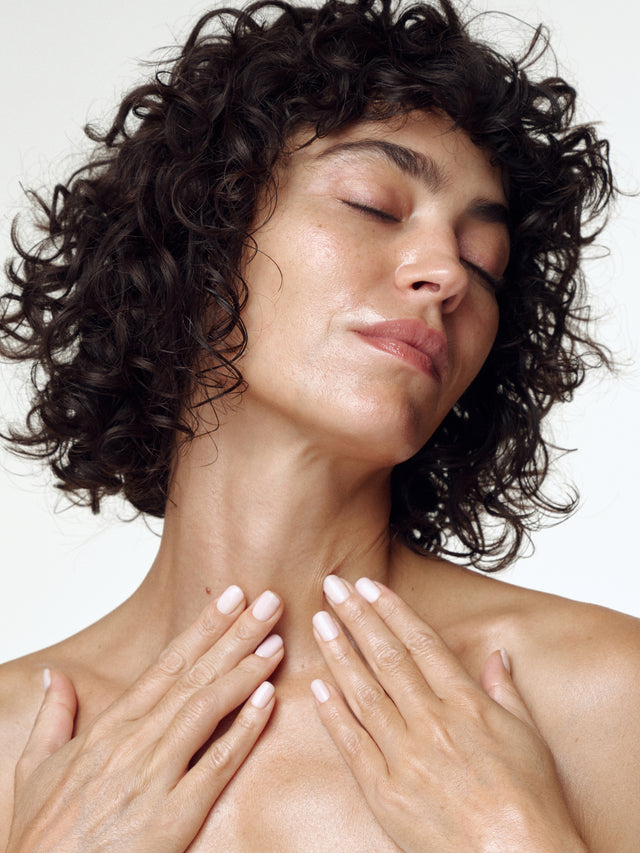

Do you really need a separate eye cream?
Yes, and I have always used and recommended a separate eye cream as the skin around the eyes is so fragile and can’t retain moisture as easily as the rest of the skin. This delicate skin can become crepey and dry without proper hydration from an eye cream, and if you have specific concerns such as puffiness, fine lines or dark circles, targeted eye creams can help. There are numerous gels, light creams, serum-gels and retinoid eye products on the market specifically formulated for the eye area.
You created The Eye Cream to be a universal solution for all eye concerns. What makes it so unique?
I worked on The Eye Cream for three years to make sure the formula was absolutely perfect, and it is. It significantly reduces the depth of fine lines, wrinkles, puffiness and eye bag volume whilst smoothing, hydrating and helping to firm the eye area.
I didn’t just want to create an instant ‘quick fix’ either; if I were going to put out an eye cream, it had to be one that delivered long-term transformation as well as immediate visible results. The Eye Cream significantly reduces fine lines and improves eye bags immediately, and reduces eye bag volume after 4 weeks*, and we’ve got the clinicals to prove it.
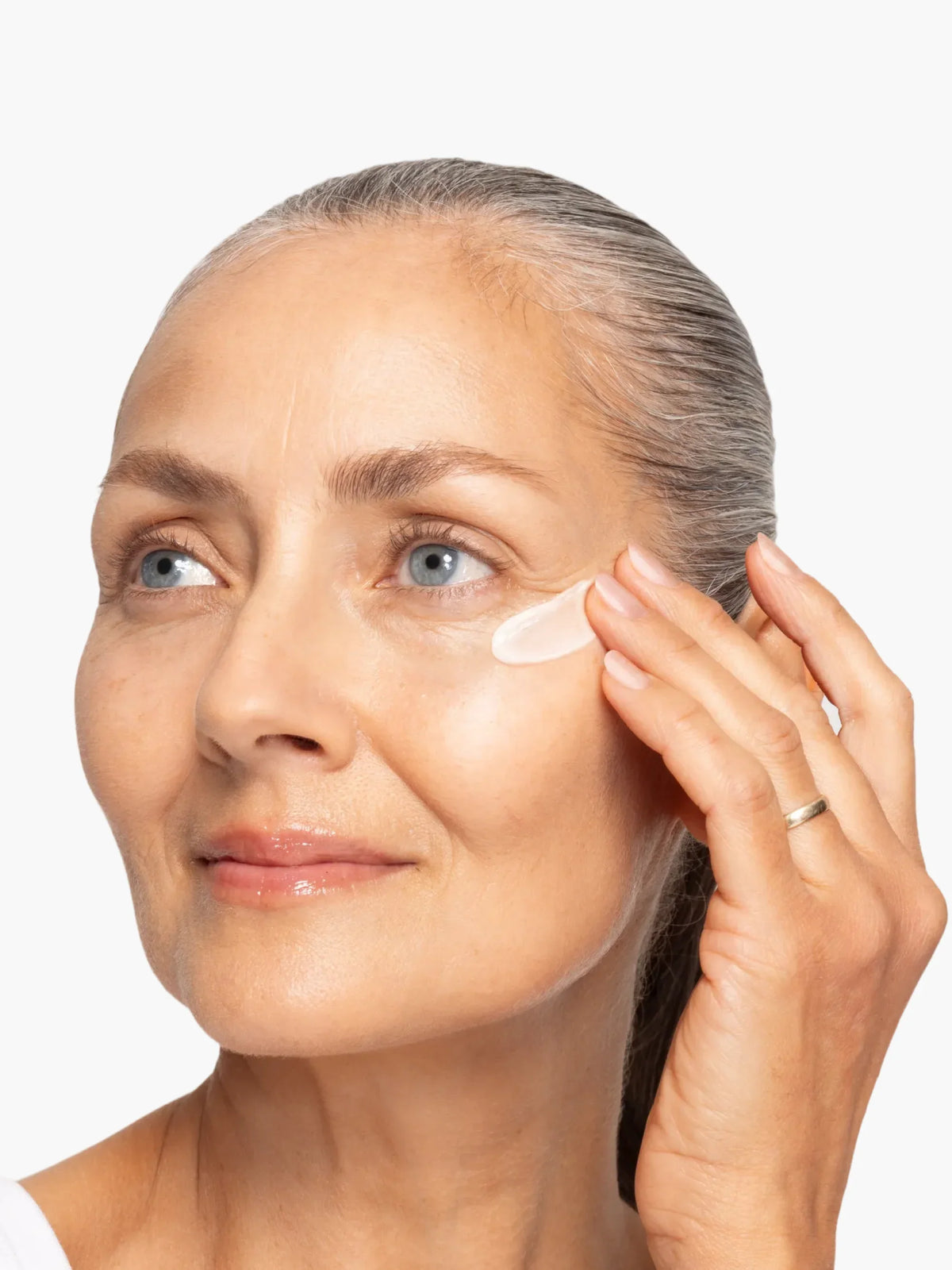
Can you apply eye cream over the whole eyelid or just the orbital area?
Generally speaking if a product is specifically formulated for the eye area you can use it on the eyelid, but always avoid taking it towards the lash line —as if the product migrates it can sting and cause eye watering/irritation.
Best eye creams for dry eyes?
For those with dry skin around the eyes, look for ingredients with peptides, hyaluronic acid, ceramides, squalane, avocado oil, aloe vera or shea to deeply hydrate. Humectants such as aloe vera, glycerin and hyaluronic acid attract water and work in tandem with emollients to keep moisture locked into the skin. Remember to also drink plenty of water and avoid harsh products like exfoliants.
The Eye Cream — Skin Rocks by Caroline Hirons
Can you put eye cream over makeup?
I wouldn't apply eye cream onto the eyelid as it’ll move/break down your eye makeup, but a dot under the eyes can help hydrate if you have fine lines and are prone to creasing.
If you use a retinoid eye cream at night, should you use a moisturising one in the morning?
Yes, a hydrating eye cream in the morning can counterbalance any dryness caused by retinoids used at night.
What are the best eye creams for wrinkles/expression lines around the eyes?
Look for eye creams with peptides or specific eye-area retinoid products to target fine lines and boost collagen. Skin Rocks The Eye Cream is clinically proven to reduce the appearance of fine lines and wrinkles.*
Should we put sunscreen on eyes/eyelids?
Yes, your eyes are not exempt from sun damage, and harmful UV can contribute to the appearance of under-eye bags. I’d recommend a mineral SPF formulated specifically for the eye area. Many sunscreens can sting the eyes, but a good fragrance-free physical sunscreen is the best bet.
Many previous ‘eye-waterers’ have found relief using the following sunscreens: Biore watery essence, Beauty of Joseon, Elta MD Eye SPF30, Instree Watery Sun Gel, Supergoop Unseen and First Aid Beauty.
When UV light is low in the UK, do we need to reapply SPF as much?
Yes, even on cloudy days or when UV is low, it's important to reapply sunscreen as UVA rays can still penetrate.
There’s lots of controversy around prostaglandins in lash serums. Are they really that bad?
Lash growth serums are a great example of something originally developed as a medication being adopted and adapted by the beauty industry (with some questionable consequences).Prostaglandin analogues (which inspired lash growth serums) were originally developed for treating glaucoma, but during the clinical trials patients noticed a pleasant aesthetic side effect: their eyelashes grew longer, thicker, and darker. This unintended effect led to the development of cosmetic lash serums.
So, while originally designed to treat eye diseases, prostaglandin analogues were jumped on by the beauty industry for their ability to extend the lash growth cycle.
What are the side effects of prostaglandin serums?
Side effects include redness and irritation, eye dryness, uneven lash growth, darkening of the eyelid skin, changes in iris colour, fat atrophy around the eyes and vision changes. Worth it? I think not.
If you are concerned about ingredients in lash serums opt for a quality formula without prostaglandins. Most of them rely on peptides such as biotin, panthenol, or other conditioners, and whilst they don’t accelerate growth, improved lash condition helps prevent breakage and can promote healthier, fuller-looking lashes over time.
A word of caution: prostaglandin analogues have many different INCI names. Often there is the giveaway ‘prost’ element in the name, but not always, so do your homework before buying:
Bimatoprost, isopropyl cloprostenate, Isopropanol Phenyl-hydroxyl-pentene Dihydroxy-cyclopentyl-heptenate, Dechloro Dihydroxy Difluoro Ethylcloprostenolamide, and Trifluoromethyl Dechloro Ethylprostenolamide are commonly listed.
Why do some prostaglandin-free lash growth serums work but others don’t make any difference?
Lash serums can vary in effectiveness due to differences in their active ingredients, and how they stimulate lash growth. Some serums may contain more effective or higher concentrations of these ingredients than others, so it’s a case of trial and error or personal recommendation. Like I always say, Formula is Queen, and they vary wildly between brands. A serum with well-researched and clinically supported ingredients is more likely to deliver noticeable results.
Is there anything topical you can apply to help with hooded eyes?
Topicals won't resolve hooded eyes, but firming ingredients like peptides and caffeine can help provide a temporary tightening/lifting effect. Surgery (blepharoplasty) is the most effective solution.
What ingredients/products should you avoid using on the eye area?
Avoid fragrances, acids and retinoids not specifically formulated for the eye area to prevent irritation.
Which texture of eye product is best?
Gel and serum textures are ideal for daytime use, especially if you're dealing with puffiness, oily lids or prefer a lightweight feel. Creams are better for nighttime, providing deeper hydration and addressing dryness or fine lines. It really comes down to what you are trying to target and your personal texture preference.
What can I use for dry, gritty eyes, excess watering or very sensitive eyes?
Lubricating eye drops can help with keeping the eyeball itself comfortable, which in turn will reduce eye watering—unless it’s allergy-related in which case antihistamine eye drops may help. Always consult an eye specialist for professional advice.
Words by Caroline Hirons, Skin Rocks Founder and Skincare Expert
*Based on an independent clinical study on 52 participants, using the product daily for 8 weeks.