FREE SHIPPING ON ORDERS $200+






What is hyperpigmentation?
Hyperpigmentation occurs when the skin generates an excess of melanin, the natural pigment responsible for your skin tone. This excess commonly manifests in response to factors such as inflammation—whether from a blemish, sun exposure, or skin trauma like cuts or burns—as well as hormonal shifts and the natural ageing process.
Types of hyperpigmentation
Affecting all skin types and tones, there are numerous types of hyperpigmentation, the most common being…
Melasma
Also known as chloasma, this skin condition is strongly associated with hormones and genetics. It frequently affects women between the ages of 20 and 40 during pregnancy or the use of hormonal contraception, appearing as brown/grey-brown patches across the nose, forehead, cheeks, upper lip, and chin.
Sun Spots
Also known as liver or age spots, they are caused by UV exposure, as your skin produces more melanin to repair and protect it from sun damage. Spots can vary (and grow) in size and shape, appearing on areas of the skin that are often exposed to the sun, such as the face, neck, chest, and back of the hands.
Post-Inflammatory Hyperpigmentation
Occurs when excess melanin is produced in response to inflammation or injury to the skin. Common triggers include breakouts/acne, burns, wounds, psoriasis, and eczema. It's prevalent in deeper skin tones and may manifest as red, pink, or purple marks in lighter skin tones.
Prevent
Apply sunscreen religiously
This is a non negotiable. Wear sunscreen daily to both prevent and reduce the appearance of hyperpigmentation (the sun can worsen existing discolouration). Use an SPF 50+ formula and apply ½ a teaspoon worth for the face and neck, reapplying every 2 hours when you're outside or sitting by a window.
Use an antioxidant serum
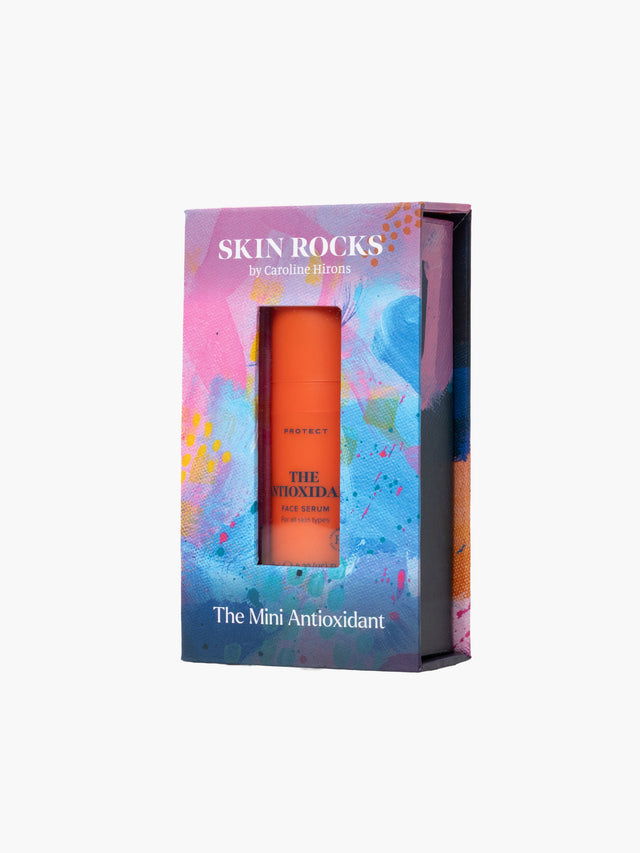
Antioxidants, such as vitamin C, green tea extract, niacinamide, and resveratrol, function as skin-damage defenders, helping to protect your skin from environmental aggressors (pollution, UV light, cigarette smoke) and free radical damage that can lead to premature ageing and hyperpigmentation. They can also help to brighten and even your skin tone.
The science
Free radicals are unstable molecules with unpaired electrons that constantly seek a spare electron, which they can obtain from your skin cells. This process, known as oxidative stress, damages your skin. Antioxidants combat this by donating one of their electrons instead.
Don't pick!
To help prevent PIH, avoid picking or squeezing breakouts. Doing so can hinder the healing process, increasing inflammation and the severity of discolouration left behind once the spot has healed. Can't help yourself? Spot stickers are a fantastic solution to avert wandering hands.
Reduce
Exfoliate
Regular exfoliation (1-3 times a week is plenty) using alpha-hydroxy acids will help fade surface-level pigmentation faster and promote an even, radiant skin tone. Mandelic acid is a brilliant choice that's particularly beneficial to those prone to hyperpigmentation as it functions as a tyrosinase inhibitor, which leads us nicely onto the next tip…
Use tyrosinase inhibitors
Use a serum that contains tyrosinase inhibitors regularly in your skincare routine. These inhibitors block the activity of the tyrosinase enzyme, which is crucial in the production of melanin. Ingredients to look out for are retinoids (which also help to fade hyperpigmentation by increasing skin cell turnover), liquorice root extract, kojic acid, tranexamic acid, alpha arbutin and azelaic acid.
Professional treatments
Struggling with stubborn hyperpigmentation? It may be time to consider in-clinic treatments such as chemical peels and laser therapy, which can render impressive results. Which route you go down will depend on the severity, so it is best to book a consultation with a qualified skin professional to help you decide.
Skin Rocks' The Hyperpigmentation Serum tackles ALL types of hyperpigmentation and also red marks. Formulated with a carefully curated selection of various actives —each expertly selected to reduce hyperpigmentation production from a different angle — this serum is a one-stop shop for anyone who struggles with this common skin concern.
Words by Katie Onyejekwe, Esthetician and Skincare Educator Qualification – BTEC, Beauty Therapy Applied Sciences