FREE SHIPPING ON ORDERS $100+







But it’s not all doom and gloom; read on to find out how to support your skin during the colder months, including additional tips for each skin type:
Opt for gentle cleansers that don’t strip the skin.
Your skin needs all the moisture it can get and that ‘squeaky clean’ feeling is a sign that the cleanser is cleansing just a little too much. Oil-rich formulas are brilliant choices for this time of year, and if you use our own The Gel Cleanser, you get the best of multiple textures, as this nourishing cleanser transforms from a gel to an oil to a milk.
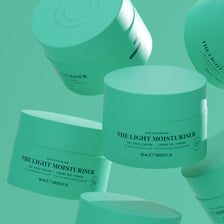
Use a moisturiser that contains barrier-supporting ingredients. Look out for ceramides, urea, glycerin, fatty acids and squalane on the INCI to seal in hydration and help shield your skin from the elements.
Avoid long, hot showers and baths. Extreme heat can exacerbate dryness and any underlying redness or irritation. When it comes to washing your face, stick to lukewarm water, not hot.
Exfoliate regularly to resurface and brighten your complexion. Lactic acid or PHA-based exfoliants are brilliant for sensitive, dehydrated and/or dry skin types as they are also humectants. 1-3 times a week is plenty for most skins.
Featured products
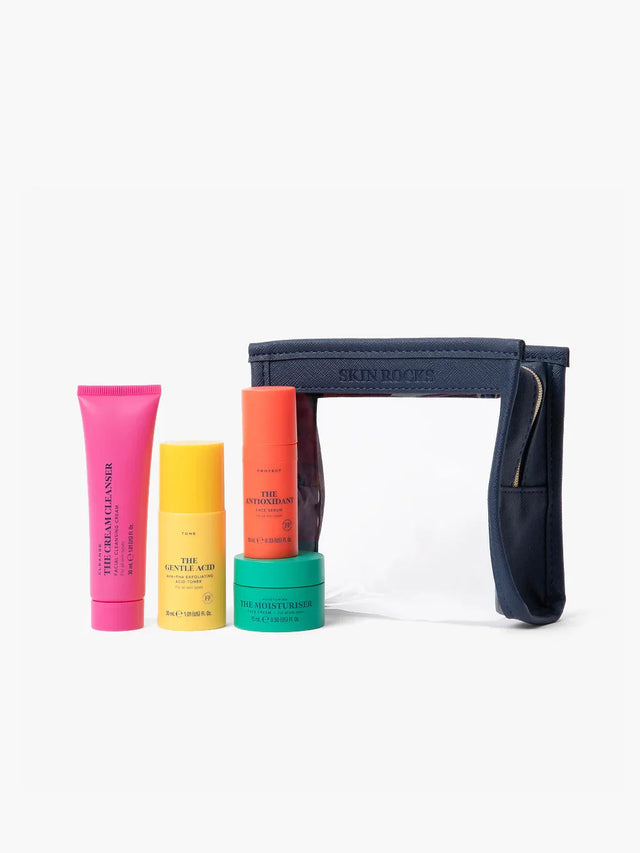
- The Gel Cleanser — Skin Rocks by Caroline Hirons
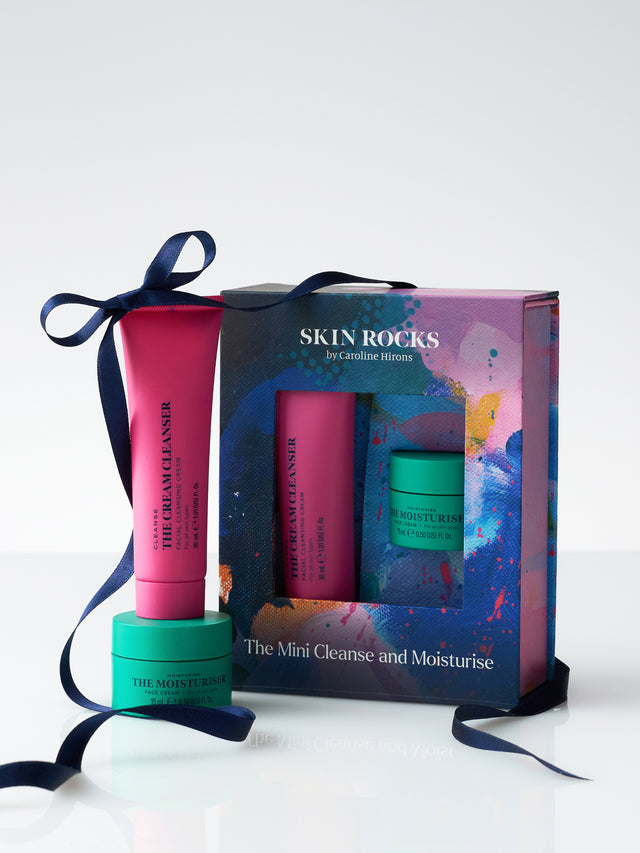
- The Cream Cleanser — Skin Rocks by Caroline Hirons
- The Gentle Acid — Skin Rocks by Caroline Hirons
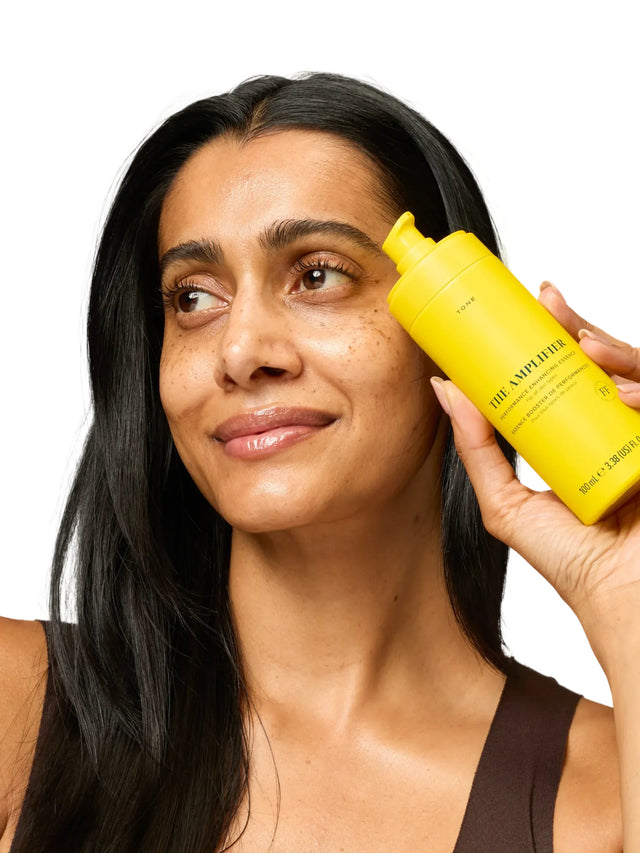
- The Amplifier — Skin Rocks by Caroline Hirons
- Add an extra layer of hydration to your routine. Use a hydrating mist or essence after cleansing and before your serums to aid the penetration of the products that follow. Look out for humectants such as glycerin, panthenol and hyaluronic acid in the formula.
- Keep using SPF. Even when it’s cold and grey outside. Did you know that snow can reflect the sun's UV rays and therefore increase exposure? UV light is also more intense at higher altitudes (skiers, take note).
- Invest in a facial oil. This is a time when facial oils can really do their best work. If your skin feels dry and looks dull, apply a couple of drops under your moisturiser during the day or at the end of your evening routine.
- Go easy on sensitised skin. If your skin is feeling particularly sore, use cleansers that can easily be washed away with water rather than a flannel which may cause further irritation. You can also apply an occlusive** balm over the top of your moisturiser on chapped areas and/or incorporate a dedicated skin-soothing serum into your routine if needed.
Top Tips by Skin Type
Dry
Naturally producing a lower amount of sebum (oil), for skin that’s prone to dryness, you want to be extra gentle to prevent irritation. Pack your skin with moisture and seal it in with occlusives.
What to do:
- Facial oils are fantastic for dry skin, so if you’ve not already invested in one, now is the time. Look for a formula like our own Support Oil, high in omegas which help to reinforce the skin barrier.
- Nourish the skin from the inside out with omega oils. These can be found in flax or fish oil supplements and certain food sources.
- Use an occlusive* and emollient** moisturiser. These will typically have a thicker texture and help your skin to retain moisture. Ingredients to look out for are ceramides, squalane, shea butter, waxes and oils.
Balanced (aka “normal”)
Although your skin may typically be balanced, harsh, winter conditions can push your skin towards the dry or dehydrated side of the spectrum.
What to do:
- If your skin feels tight, consider adding a hydrating serum into your routine, applied to damp skin. Layering a mist or essence underneath works wonderfully to boost hydration.
- Switch to a richer moisturiser if your summer cream doesn’t feel nourishing enough.
Combination
With combination skin, dry areas may become drier and an oily t-zone can worsen due to dehydration. Alternatively, it may start to feel tight and experience flaking.
What to do:
- Niacinamide is known to regulate oil production and support the skin’s barrier, making it a great ingredient for combination skin. Look for this in your serums or moisturisers.
- Apply broadly, treat locally. For example, choose a hydrating moisturiser that’s lightweight in texture to apply all over, then layer a facial oil over the top (or underneath in the am) for drier areas.
Oily
While some may find their skin becomes slightly less oily during the winter - as opposed to summer when sebum production is increased - others may find that their skin overproduces oil to compensate for a lack of hydration.
What to do:
- Don’t be tempted to use astringent, drying cleansers that strip your skin. This will only make things worse. Instead, opt for a hydrating gel or milk formula.
- Tackle dehydration with hydration-boosting essences, mists and serums. Always apply your hydrating serums to damp skin.
- Don’t skip moisturiser. While you might not want to use a rich cream, a lightweight, hydrating formula will do a world of good.
- Humectant - an ingredient that draws water from the environment or from deep within the skin. E.g. hyaluronic acid and glycerin.
*Occlusive - moisturising agents that work by forming a protective layer over the surface of your skin, creating a barrier to prevent moisture loss.
*Emollient - ingredients used in skincare products to soften the skin and prevent moisture loss. They work by filling in the ‘gaps’ that can form in the skin barrier if it becomes compromised.
Words by Katie - Team Skin Rocks
Qualifications - BTEC, Beauty Therapy Applied Sciences