



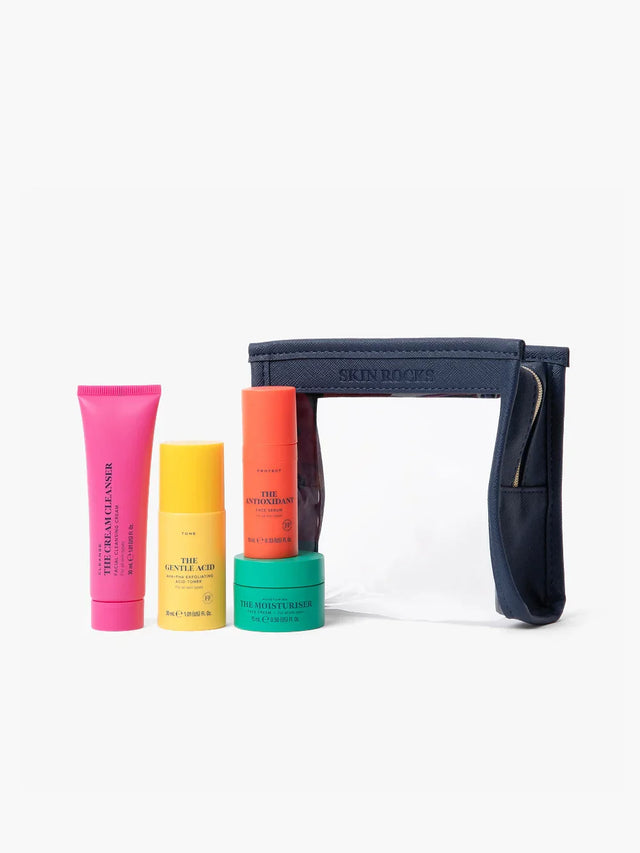

With the endless tsunami of things to do, places to get, and chores to clear, it’s no wonder our makeup and toiletry bags can be way down our list of priorities. Yet, as the harbinger of bacteria, grime, oils, gunk and skin debris, your collection of products, brushes and bags can be the unintended cause of some seriously negative effects on your skin.
Our skin is normally adept at balancing its diverse ecosystem of bacteria, fungi and viruses, but overload it with bacteria and you can end up with problems such as acne, dermatitis, or infections. Staggeringly, one in six of us never clean our beauty tools, so it’s likely time for a serious detox. But where to begin, and how do you know when to throw something away?
Formulation First
Let’s start with the fundamentals. Many of us have drawers teeming with different products, some of which are likely well past their best—and most efficacious— shelf life. Legally, all cosmetics and skincare products have to show either a BBE (best before expiry date) or a PAO (period after opening symbol that looks like an open jar) on their inner and outer packaging. However, most of us don’t take much notice of these until something either smells off, stops working, or starts to discolour— often a sign that its state of degradation is well underway.
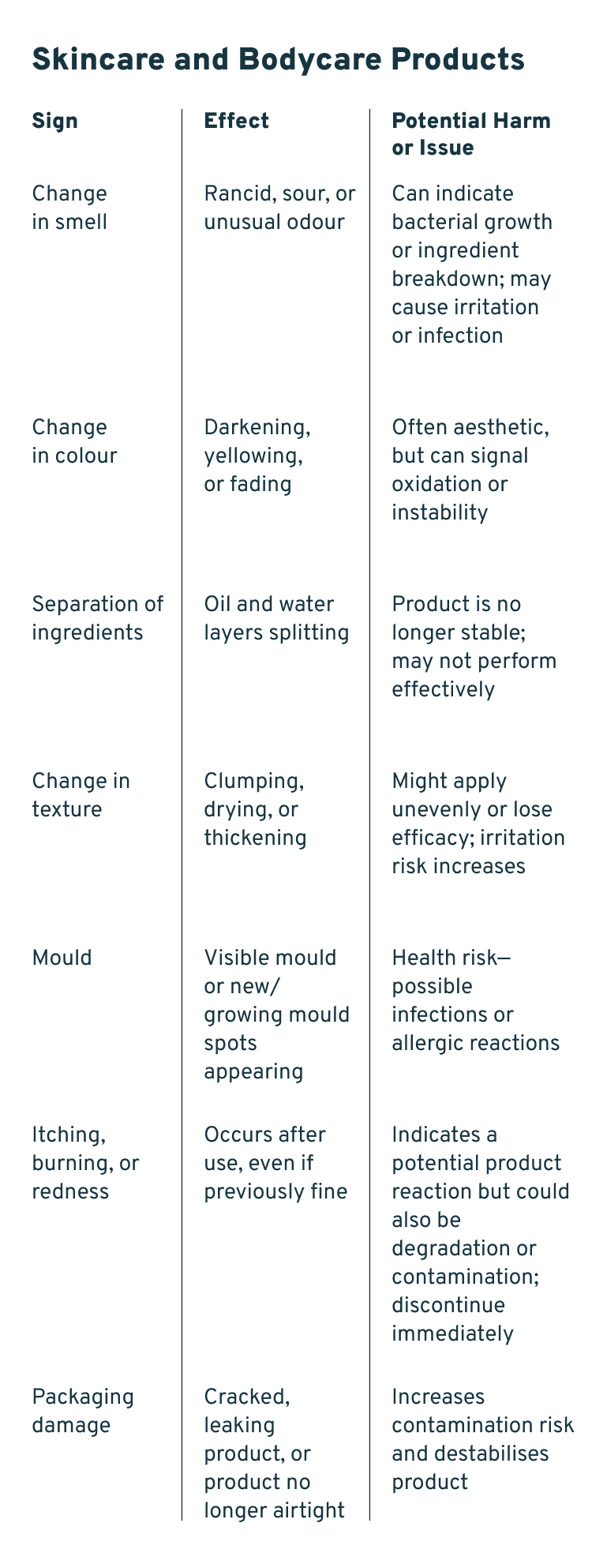
The most obvious sign that it’s time to bin your product is visible mould or a bad smell, but there are other key indicators to look out for.
Some changes (like mild texture or color shifts) may just affect aesthetics or performance, but anything involving mould or irritation should always be taken seriously. Generally, a slightly altered scent in skincare products may still be acceptable, but any smell that is overly unpleasant or offensive should prompt swift disposal. An off-smelling product can be due to fatty acids and oils undergoing oxidation, scents that are ‘burnt’, ‘musty’, or rancid can indicate a compromised preservative system (and reduced efficacy), while ‘sweet’ or fermented odours may signal microbial contamination, making the product unsafe for use.
With expired makeup, contamination risk is very formulation-dependent. Anhydrous products (products that do not contain water) are generally low-risk to use beyond their expiry date, but if the products are used on the eyes or lips, it is always best to err on the side of caution.
Here’s a quick guide to other signs that it’s time to wave goodbye, and why:
Top Tip 1: Use a marker to write the end date on the product itself. This will remind you to keep an eye on the formula once it is past its BBE or use it up/discard it once the PAO has expired.
Top Tip 2: Create a “first to finish” section of nearly-empty products so you can use them up before they expire.
Top Tip 3: If you know you have surplus unopened products that you will not get round to using, consider donating them to Beauty Banks. It may feel painful to part with products that you haven’t opened, especially if it's an expensive brand, but we only need so much in our routines and Beauty Banks provides desperately needed support to those struggling with hygiene poverty. There are 100 Beauty Banks donation bins in Superdrug stores across the UK (there’s one in every major city) or you can even arrange a collection from home.
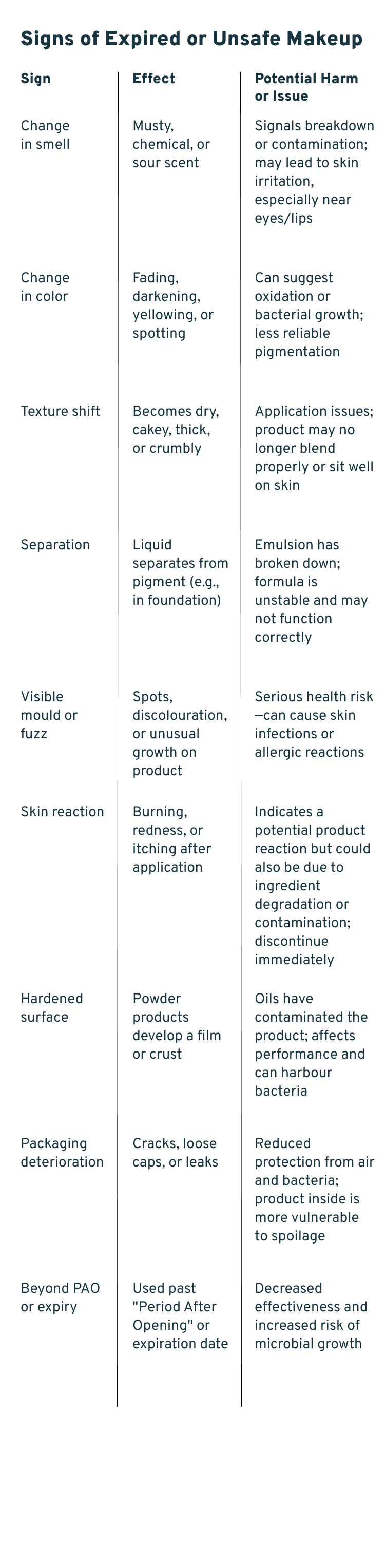
Product Lifespans- When to Keep vs When to Cull
Each individual product will have its own unique BBE or PAO symbol shown on its packaging, and these will differ depending on the individual formulation. This should always be your first source of expiry information, but if this has worn off the packaging or is not visible on the component itself, the below will offer a rough guide:

Facial Accessories and Tools
Every time our skin comes into contact with a washcloth, gua sha or facial accessory, we leave behind traces of bacteria—along with residual products such as oils, serums and creams. If these are left dirty and/or stored in warm, damp environments (bathrooms are perfect for this) they become the ideal breeding ground for bacteria. Over time, that buildup can turn our face into a petri dish, potentially undoing the benefits of even the best skincare routines.
Keeping washcloths and flannels hygienic is imperative, and you should always use a fresh one daily. Washing them in the machine at 30 degrees should be sufficient for most washcloth materials and reusable pads.
The Skin Rocks Flannel multipacks are ideal for this, as you can always have a fresh one on rotation.
Makeup Brushes
You wouldn’t apply your skincare with dirty hands, and the same approach should apply to your makeup brushes. Regular washing (at least once a week) will not only prevent bacterial growth and reduce infection risk, it will maintain the quality of your brush bristles and extend their effectiveness.
Using brushes to apply makeup containing water/moisture (e.g liquid foundations, CC creams, liquid liners, setting sprays, mascara) will obviously increase the risk of contamination, as water is essential for the growth of microorganisms such as bacteria, mould, and yeast. This creates an environment where microbes can thrive if not properly preserved (products/brands labelled ‘clean’ can sometimes have poor preservative systems), or if the preservative system is degrading with age.
Tightly packed brush bristles and fibres will trap product and create the perfect dark, moist environment for microbial activity. Applying powder (anhydrous) products to brushes will not pose as much of a risk, but they should still undergo regular cleaning. Eyeshadow brushes that come into close contact with your eyes must be scrupulously clean to minimise the risk of eye infections, styes and conjunctivitis. Store them in a clean, sealed makeup bag when you’re not using them, and once the bristles start to fall or the brush application is patchy, look to upgrade and replace.
Clean Sweep
From a conditioning clean to a quick rinse-free refresh or travel-friendly option, there are some excellent brush cleaners that will give you fresh, fluffy brushes with none of the faff.
Here is our pick of the bunch:
Best Overall Brush Cleansers: Dr.Bronner Baby Pure Castille Soap, E.l.f Beauty Makeup Brush Shampoo. Bobbi Brown Conditioning Brush Cleaner
Best No-Rinse Brush Cleansers: No.7 Brush Cleanser, Isoclean Professional Brush Cleaner, Cinema Secrets Makeup Brush Cleaner

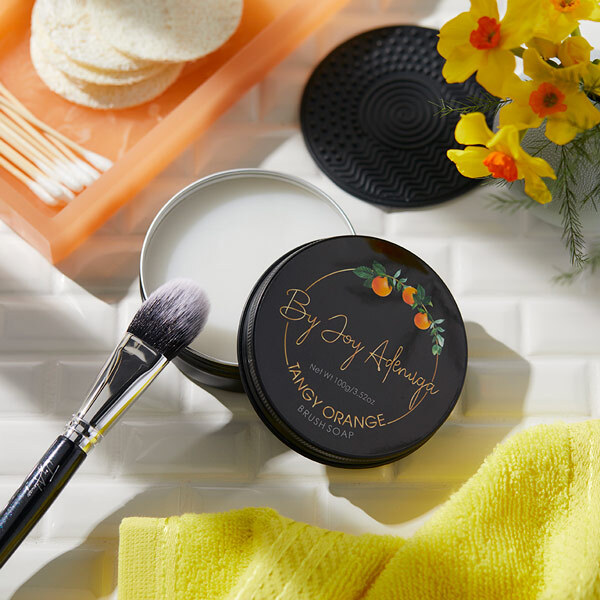
Best Solid Brush Cleansers: By Joy Adenuga Makeup Brush Soap Cleanser, Beauty Blender Solid Charcoal Makeup Cleanser
Don’t Forget
- Makeup/Toiletry Bags — Often forgotten, makeup and toiletry bags trap dirt, debris and fibres, and of course touch everything put inside them from makeup and skincare to loose brushes and sponges. Spilled containers, makeup smears, and all manner of packaging leaks can contaminate the bag lining, making everything it touches a potential hotbed of bacteria. Most fabric bags can be either hand or machine washed, but if not, an antibacterial spray or disinfectant wipe should do the trick.
- Headbands - Dirt, hair, and product can become embedded in the fabric of headbands and they come into regular contact with foreheads and the facial hairline. Wash them in the machine to maintain optimal hygiene, ideally once a week.
- Gua Sha/Rollers - These tools should be cleaned after every single use as they have direct contact with your skin and are introduced to multiple different formulas Wash with warm soapy water and allow to fully dry.
- Product Packaging - You may not think to wipe down your bottles, tubes and jars, but they can be covered in invisible films of grease, dirt, and traces of formula. Touching these and then applying product straight to our skin can easily transfer contaminants, so it’s well worth a frequent wipe down with a clean, soapy cloth or antibacterial wipe.
- Below the neck – How many of us remember our shower and bath accessories when it comes to hygiene? Loofahs, shower puffs and body brushes are all perfect microbial breeding grounds — warm, wet and left to hang in moist environments. Wash them at least once a week with fresh, warm water and your usual shower gel/body cleanser.
Storage Solutions
The best way to minimise changes to any product is to store them in cool, dark places away from direct sunlight and heat, which can speed up the degradation of formulation, fragrance and active ingredients. Storing your products out of the bathroom is preferred.
Words by Nicky Connors - Team Skin Rocks
Qualifications -Beauty Industry Professional, 25 years | BA (Hons) English | Beauty Writer | Copy Editor | HND Specialist Makeup