



Yes, peptides are such skincare superheroes they have earned their own day in the calendar. Medik8 introduced Global Peptide Day in 2025 to celebrate the broad range of skin concerns peptides tackle, and to educate consumers on why they are such an integral part of a skincare routine.
The use of peptides in skincare has risen exponentially in recent years, and according to a recent study by FACT.MR, the global peptides market is anticipated to reach an approximate value of $426 million by 2034. Here, we explain what they are, and how they work.
What are peptides?
Peptides are short-chain amino acids which are naturally present in the body and skin — they are the very building blocks of proteins. There are various types of peptides, and each peptide can have multiple names and varying skin benefits such as boosting skin brightness and hydration or reducing the appearance of fine lines. Peptide is an umbrella term for a diverse group of ‘biological messengers’ that are used in skincare to trigger a response in certain skin cells, but their use is somewhat limited — mainly due to difficulties with absorption and in formulating these ingredients into products.How do peptides work?
Peptides are essential for the synthesis of proteins such as collagen, elastin and keratin, and using peptides in skincare can help to trigger the production of these proteins. These protein molecules are naturally present in the skin and help keep the skin firm, plump and smooth. As we age, the natural levels of collagen, elastin and keratin in our skin deplete, which can lead to laxity, texture, fine lines and wrinkles.
So, why do we apply peptides to our skin rather than just applying these proteins directly? Well, some proteins, such as collagen, are too large to be absorbed by the skin. This means that applying them topically has little to no benefit. However, applying peptides topically can help trigger the production of said proteins and therefore mitigates the need for absorption.
How many different peptides are there in skincare?
There are several hundred peptides used or studied for skincare, but only around 50–100 are commonly found in commercial cosmetic products. Overall, while hundreds of peptide ingredients exist, only a few dozen are widely used in skincare, and an even smaller group has robust clinical evidence supporting their anti-ageing or skin-repairing benefits.
The International Nomenclature of Cosmetic Ingredients (INCI) lists well over 200 peptide-related ingredients, including:
- Tripeptides
- Tetrapeptides
- Pentapeptides
- Hexapeptides
- Oligopeptides
- Palmitoylated peptides
- Acetylated peptides
- Copper complexes
- Various proprietary peptide blends
However, many of these are slight variations of one another (different amino acid sequences or attached fatty acids).
What do the different peptide types do?
Peptides can be grouped into a few key categories:
- Signal peptides – Signal peptides are the most used type in skincare, particularly in anti-ageing products. They act as messengers, encouraging skin cells to produce more collagen, elastin and other structural proteins that help maintain firmness and elasticity
Examples: Matrixyl (palmitoyl pentapeptide-4), Matrixyl 3000 (palmitoyl tripeptide-1 + palmitoyl tetrapeptide-7), palmitoyl tripeptide-5
- Carrier peptides – Carrier peptides help deliver trace minerals (most commonly copper) that support wound healing, skin repair and collagen production. They are often found in products designed to strengthen the skin barrier, promote recovery and improve overall skin health. Naturally present in the body, GHK-Cu (Copper Tripeptide-1) helps activate repair pathways while supporting collagen synthesis and reducing inflammation.
Example: Copper tripeptide-1 (GHK-Cu).
- Neurotransmitter-inhibiting peptides – Best known for targeting expression lines, this growing category includes peptides designed to help soften the appearance of dynamic wrinkles. Unlike collagen-stimulating peptides, these peptides are designed to influence the signalling between nerves and facial muscles, helping to soften the appearance of expression lines over time. Often referred to as "Botox in a bottle" (this is purely marketing language), studies suggest subtle improvements in expression lines with regular use, but they do not stop or "freeze" muscle movement and are not a replacement for injectable neuromodulators such as Botox, so do not expect similar effects!
Examples: include Argireline® (Acetyl Hexapeptide-8), Pentapeptide-18 (Leuphasyl®) and SNAP-8® (Acetyl Octapeptide-3). SNAP-8® is a longer peptide derived from Argireline® and is often described as a next-generation version with a similar mechanism of action.
- Enzyme-inhibiting peptides — These peptides work by slowing the activity of specific enzymes in the skin. Most commonly, they inhibit enzymes involved in melanin production, helping to brighten the complexion and improve uneven skin tone and hyperpigmentation. Some peptides are also being investigated for their ability to reduce the activity of collagen-degrading enzymes, which may help support skin firmness.
Examples: include Oligopeptide-68 and Decapeptide-12, which are primarily used in brightening formulations.

Are all peptides equally effective?
Evidence does vary considerably, but there isn’t one single “best” peptide, as they all serve different purposes. Peptides that are well-known for stimulating collagen and reducing the appearance of wrinkles include Matrixyl (palmitoyl pentapeptide-4), palmitoyl tripeptide-1 + palmitoyl tetrapeptide-7), and palmitoyl tripeptide-5.
Copper peptides are widely praised for their ability to boost collagen and elastin, accelerate wound healing, and reduce inflammation, whereas Argireline and SNAP-8 have more moderate evidence (they may produce modest improvements in expression lines with consistent use, though their effects are much less dramatic than injectable neuromodulators such as Botox.
You may often see the phrase ‘peptide complex’ used, but multiple peptides in a formula don't automatically make it more effective or give better results. There are numerous factors such as the peptide’s molecular structure, stability, concentration, delivery system (for example encapsulation and liposomal delivery systems will help maintain peptide stability and improve product penetration) so it’s important to look beyond the “contains multiple peptides!” marketing when evaluating a product:
How are peptides used in skincare?
Peptides are usually found in serums, moisturisers and eye creams as polypeptide mixtures. Look at peptides as the ‘support acts’ in skincare — when they are combined with antioxidants and skin conditioners, these products can have significant anti-ageing benefits. With the rise in peptide popularity, they are now also showing up in everything from cleansers and sunscreens to scalp and hair care.
What are the benefits of peptides in skincare?
Peptides have several skincare benefits, but should be viewed as supportive tools, not shortcuts. Different peptides serve different biological functions with some helping to repair damage, soften wrinkles, or support hair follicles, and others — such as certain signal peptides — help to boost collagen and elastin, plump and firm the skin, and reduce the appearance of fine lines and wrinkles.
Peptides can also help to strengthen the skin barrier through the production of these proteins, as well as improve the skin's hydration and texture. Some peptides have also been shown to have skin-soothing properties, helping to reduce redness and irritation, whilst others have been shown to help with hyperpigmentation.

Are peptides the skincare ‘miracles’ we are led to believe?
While peptides can be very valuable additions to a skincare routine, healthy skin is never the result of one single ingredient. Because they have such broad-ranging benefits, peptides are often hailed as anti-ageing ‘miracles’, but as with all ingredients, work best as part of a broader strategy that includes consistent sun protection, professional treatments and good general nutrition/ lifestyle habits.
You can absolutely expect to see gradual, long-term improvements in skin quality, hydration, barrier function, and skin ageing if you consistently use the right peptides for you, but they do play an integrated/supportive role within your routine.
Who needs peptides in their routine?
Peptides are a great addition to almost any skincare routine, helping to support smoother, firmer-looking skin. While retinoids remain the gold-standard topical ingredient for targeting fine lines and wrinkles, peptides can help further support the skin by improving hydration and reinforcing the skin barrier, making them an excellent complementary ingredient.
If you're an experienced skincare user with more established lines and wrinkles, we recommend using a retinoid alongside a peptide. If you're beginning to notice the first signs of ageing, peptides can be a great place to start, and they can also be an excellent option for those who can't tolerate retinoids, offering a gentler way to support smoother, more resilient-looking skin.

Can all skin types use peptides?
Yes. Most peptide skin care products are gentle and well tolerated, making them suitable for all skin types, including sensitive skin. They’re especially beneficial for dry or mature skin due to their hydrating and restorative qualities.
Do peptides pair well with other actives?
Yes, peptides generally layer well with other active ingredients and are often included in routines designed to target multiple concerns at once.
They pair particularly well with:
Do Skin Rocks products contain peptides?
Yes, where they are integral to the product function and efficacy.
- The Hyperpigmentation Serum - Contains enzyme-inhibiting/brightening peptide Tetrapeptide-30 to help reduce the appearance of hyperpigmentation and uneven skin tone.
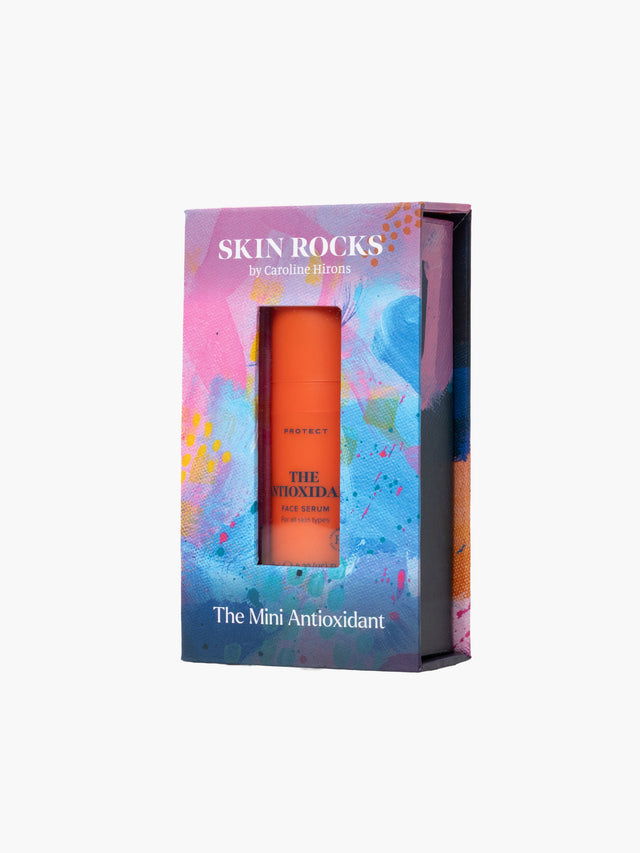
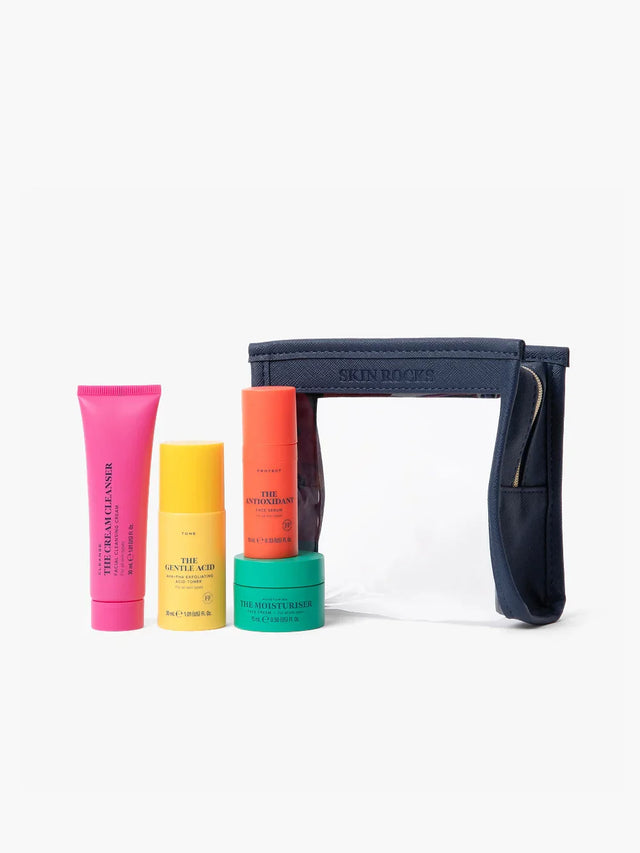
- The Antioxidant - Contains signal peptide Acetyl Tetrapeptide-2 to help with firming, improving skin resilience, and supporting elasticity.
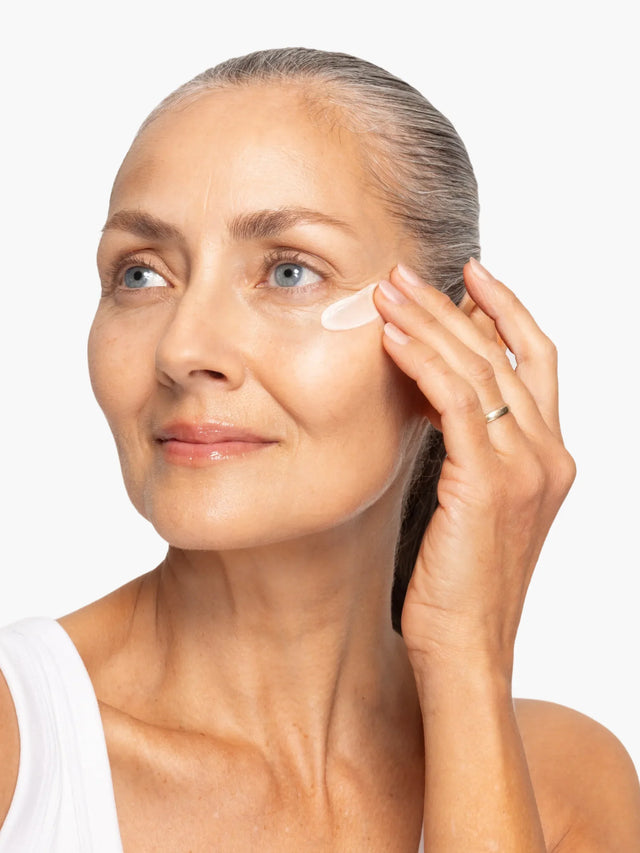
- The Eye Cream - Contains collagen-supporting signal peptide Palmitoyl Tripeptide-5 to improve skin firmness and reduce the appearance of fine lines.
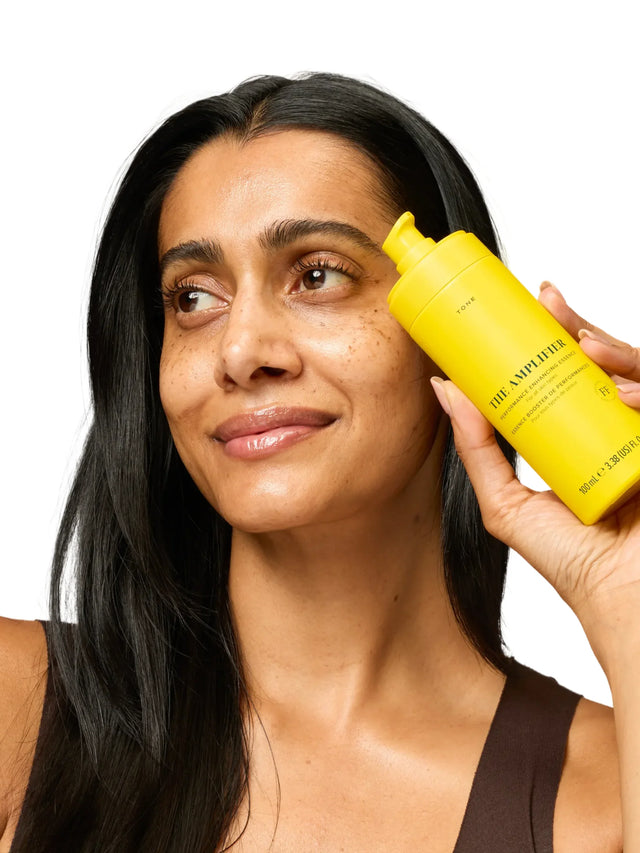
- The Amplifier -This hydrating essence contains a collagen-identical peptide (Nicotiana Benthamiana Hexapeptide-40 sh-Polypeptide-47) that helps support collagen synthesis and improve skin firmness and resilience.
- The Control Acid - This chemical exfoliant contains Oligopeptide-10, a peptide used to support blemish- and acne-prone skin and boost salicylic acid.


Should I look for peptides in all my skincare products?
Because peptides have become such a buzzword in skincare, consumers recognise the name and associate it with anti-ageing benefits. However, you do not need to have peptides in all your products and we would recommend saving them for leave-on formulations. For example, including peptides in a cleanser can make the product feel more premium, and although the formulas might be very good, a cleanser is only on the skin for around 30–60 seconds before being rinsed away. It is primarily designed to remove oil and dirt rather than deliver active ingredients in a significant way.
Some peptides may provide a small amount of hydration or conditioning while cleansing but if your goal is collagen stimulation or wrinkle reduction, your money is better spent on a good peptide serum or moisturiser — a cleanser is on your skin for the shortest amount of time, making it the least effective place to invest in expensive active ingredients like peptides.
Why formulation is queen
- A peptide is only as effective as the formula that delivers it. Two serums may contain the same peptide but perform very differently depending on the concentration used, how well the ingredient is protected, and whether it can reach the upper layers of the skin.
- A peptide can be compromised in several ways. First, it may be present at a very low concentration. While brands don't have to disclose ingredient percentages, a peptide added in only trace amounts is unlikely to deliver results. It's a bit like adding a single blueberry to a smoothie and calling it a "superfood smoothie"—the ingredient is technically there, but not necessarily in a meaningful amount.
- Stability is another important consideration. Peptides are chains of amino acids, and some are relatively delicate. Exposure to oxygen, light, unsuitable packaging or formulations that don't adequately protect the ingredient can gradually reduce the activity of certain peptides over time. A well-designed formula is developed to help maintain peptide stability throughout the product's shelf life.

Ultimately, whether your goal is firmer skin, improved hydration, a stronger skin barrier or a more even skin tone, there's likely a peptide designed to support it. Just remember that the peptide itself is only part of the picture —the quality of the formulation and consistent use are what will always make the biggest difference.
Words by Nicky Connors Qualifications - Beauty Industry Professional, 25 years | BA (Hons) English | Beauty Writer | Copy Editor | HND Specialist Makeup.
Reference Sources:
https://www.factmr.com/report/cosmetic-peptide-synthesis-market