



Sensitive Or Sensitised?
Sensitivity often sits between a skin ‘type’ and a skin ‘condition’, as it can be either genetic or influenced by external lifestyle factors. For example, some skins are routinely susceptible to irritation, and other conditions such as an acne flare-up or burning cheeks could be an allergic response, a reaction to a product or food, or be triggered by your environment. As sensitivity is so subjective, many people ‘self-diagnose’ sensitive skin, when in reality it is a transient response. Furthermore, advancements in skincare in recent years have given us unprecedented access to high strength products and actives — many of which play a more significant role in the reactivity of our skin than we realise.
Understanding whether your skin is consistently sensitive or temporarily sensitised will help identify the best approach for you:
Sensitive Skin:
Is typically a permanent, genetically-driven skin state, where skin is naturally and consistently prone to irritation and more reactive to certain formulas and/or singular ingredients. It is often inherited, especially if there is a history of allergies or conditions such as rosacea or eczema in the family. Those with sensitive skin are predisposed to irritable/reactive skin, and tend to react to multiple different products consistently over time. If you get skin flares from certain foods, pollen and ingredients, the chances are your skin is inherently sensitive.
Sensitised Skin:
This is usually a temporary skin condition that can happen to anyone and co-exist with any other skin type (oily, dry, combination etc). The sensitisation happens sporadically when the skin barrier is damaged, the skin suffers an ‘injury’ or skin becomes overly reactive due to overstimulation. The skin will typically become tight, hot, red, itchy/ flaky or uncomfortable. Our own obsession with skincare can sometimes exacerbate both the confusion and the ‘diagnosis’, and despite an increasing awareness of the importance of barrier protection and support, multi-step routines, trending products, and an overzealous appetite for newness have turned many consumers into ‘armchair chemists’— layering multiple potent formulas in one routine and wondering why their skin protests.
What Is ‘Compromised’ Skin?
Compromised skin is another term for skin that has become sensitised. Barrier disruption causes the barrier integrity to become 'compromised' — which is usually characterised by flakiness, dryness, redness and dehydration. To help compromised skin, you need to replenish the skin’s barrier lipids to help reinforce the skin barrier.

What Causes Sensitised/compromised Skin?
There could be a number of reasons for your skin being irritated, but the first port of call would be to check you’re not using any products with commonly irritating ingredients (alcohol, perfume and essential oils are renowned offenders), or potent formulas that are compromising a weakened skin barrier. For example, if you are using a punchy new serum or acid, and notice aggravated skin, it’s time to back off and build the barrier back up. While ingredients such as liquid exfoliants and retinoids are fantastic for resurfacing skin, being sensible with usage and incorporating slowly is key.
Ask yourself if you’re using one, do you need the other, and whether you are using too many products in the same routine — stacking up the products can be a recipe for skin overwhelm, and less is often more. There is no point continuing to use potent actives without having a strong, hydrated skin base to work with. Go low and slow, and counteract any harshness with nourishing ingredients such as glycerin, ceramides, omegas and peptides.
Focus on hydration and barrier repair and you can go back to the strong stuff later, once the skin is recovered and resilient. Dry skin is typically more prone to sensitivity because your barrier function is depleted, and a stressed barrier lets moisture escape, so always take care of sensitivity first - inflammation will exacerbate other skin issues and make matters worse. Ramp up the nourishment and your skin should soon be showing signs of recovery.
Stellar Skin Soothers
There’s a whole host of ingredients with calming and soothing properties which frequently appear in products designed to boost the barrier and offer anti-inflammatory properties.
Key ingredients to look out for include:
- Ceramides: These are a type of lipid (fat) that are found in the skin. They are essential for barrier health because, as well as cholesterol and essential fatty acids, they make up the skin’s ‘lipid layer’ – the fatty *mortar* that surrounds the *bricks* of skin cells in the outer layers of the epidermis.
- Azelaic Acid: has anti-inflammatory properties, calming redness and soothing inflammation (even suitable for rosacea and eczema-prone skin). It also helps to combat acne bacteria and gently unclogs pores.
- Squalane Oil: Squalane is very similar to skin’s natural sebum. When the barrier is damaged (common in eczema, acne, rosacea, or over-exfoliation), water escapes and irritants get in—triggering inflammation. Squalane fills in those gaps, helping the barrier recover and calming inflammatory responses.
- Hyaluronic acid: hyaluronic acid is a part of the skin's Natural Moisturising Factor (NMF), which is crucial for a healthy skin barrier. Improving hydration can help to rebuild the skin barrier.
- Glycerin: Is a humectant. It draws water into the skin, to help hydrate it and make it feel more comfortable.
- Panthenol: Also known as Provitamin B5, this works as a soothing and healing agent on the skin.
- Vitamin E: This is an anti-inflammatory vitamin and also works as an antioxidant – it’s fat-soluble, hydrating, and great for repairing red, stressed and/or damaged skin.
- Niacinamide: A form of vitamin B3 that is anti-inflammatory and skin calming. It is good for repairing a damaged skin barrier as it encourages the skin to produce more ceramides.
*However some people can be sensitive to niacinamide, so if this ingredient is new to you we would always recommend you patch test first.

Caring for Sensitive/reactive Skin
Caring for sensitive skin means focusing on prevention and consistency. Use a minimal routine with gentle, fragrance-free products that support the skin barrier, such as mild cleansers, ceramides, and nourishing moisturisers. Avoid over-exfoliation, frequent product switching, and harsh actives — as sensitive skin reacts easily to disruption. Daily sun protection is essential, since UV exposure is a common trigger for redness and irritation. The goal is to keep the skin calm, hydrated, and well-protected so it’s less likely to overreact.
Caring for Sensitised/compromised Skin
Treating sensitised/compromised skin requires a short-term recovery approach, because sensitisation is usually caused by damage from overuse of actives, procedures, or environmental stress. Strip the routine back to basics: a gentle cleanser, a barrier-repair moisturiser, and sunscreen. Pause exfoliants, retinoids, acids, and strong treatments until irritation, stinging, and redness fully subside. Ingredients such as squalane, panthenol, glycerin, and centella asiatica can help soothe inflammation and rebuild the barrier. Once the skin has healed, actives can be reintroduced slowly and strategically to avoid re-sensitising the skin.
The Mask That Does It All
The first launch in the latest Skin Rocks 'Plus' category is an ultra-nourishing, rich, and replenishing mask, specifically formulated to soothe and restore a compromised or sensitised skin barrier. Formulated with a blend of efficacious ingredients, including Skin Rocks' hero lipid-advanced complex, a ceramide complex, and DEFENSIL® – A blend of soothing extracts rich in phytosterols to help reduce signs of sensitivity and protect the skin barrier — The Support Mask helps to quickly restore a damaged barrier, calm and soothe instantly, and strengthen and support barrier health over time. This brilliant mask can be used as a 10-minute rinse-off quick fix, or an overnight treatment, and used alone or in conjunction with the daily barrier-replenishing Support Oil, is sensitised skin's SOS solution.

Product recommendations:
- The Support Mask
- The Support Oil
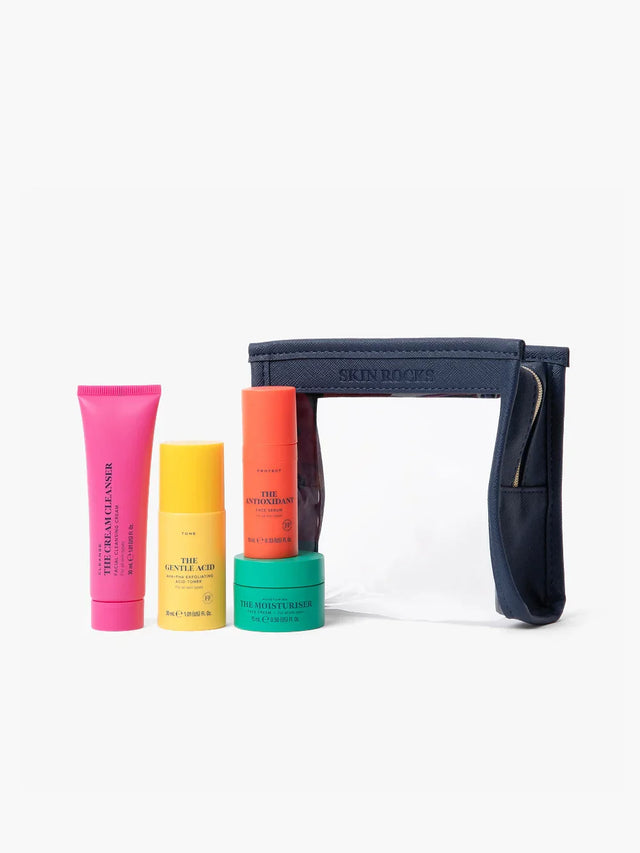
- The Cream Cleanser Fragrance Free
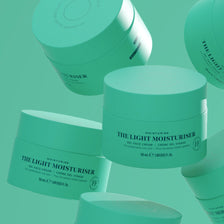
- The Light Moisturiser Fragrance Free
- The Moisturiser Fragrance Free
- The Rich Moisturiser Fragrance Free
Sunscreen:
- By Sarah Serene Daily SPF 50+ | PA++++
- HELIOCARE 360° A-R Emulsion SPF50+
- La Roche Posay Anthelios UVMune 400 Invisible Fluid Spf50+ Sun Cream For Sensitive Skin
-
Avène Sensitive Skin Sunscreens
Words by Nicky Connors - Team Skin Rocks
Qualifications - Beauty Industry Professional, 25 years | BA (Hons) English | Beauty Writer | Copy Editor | HND Specialist Makeup