



When it comes to beauty rituals, many practices that have become part of our everyday routines today can be traced back to ancient times, and with a growing movement toward simplifying skincare and a focus on ‘prejuvenation’ (proactively preventing damage that can age and harm the skin), there is much we can learn from the rituals that have been passed down through generations.
China
Beauty attitudes are increasingly shifting towards the holistic, prevention-focused approach that Traditional Chinese Medicine (TCM) embodies, reflecting a growing preference for long-term wellness over quick fixes. There are three essential TCM elements for overall health and skin vitality:
Qi: The vital energy circulating through the body.
Yin: The cooling and nourishing energy.
Yang: The heating and energising energy.
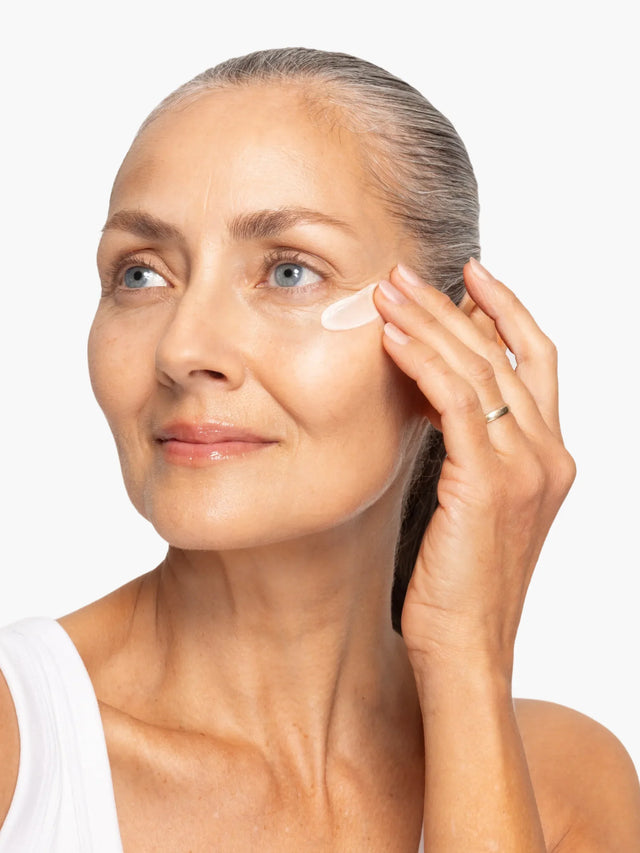
One of the most popular TCM skincare practices still used today is Gua Sha, which involves massaging the skin with smooth tools made from jade, wood, or stone. By promoting the flow of Qi, gua sha can restore balance and reduce inflammation and puffiness. It also aids in the detoxification process, helping the body release toxins and improving circulation to the skin for a brighter, healthier complexion. From a biological perspective, Gua Sha stimulates the body’s lymphatic system through physical pressure, aiding the removal of waste.
A common ingredient in both TCM and skincare formulations globally is the goji berry. Packed with antioxidants, goji berries ‘produce vitamin C, help to fight oxidative stress and protect the body from harmful free radicals,’ says Yau. Research from Tufts University echoes this, finding that goji berries contain higher concentrations of antioxidants than spinach, strawberries, carrots and blueberries combined. They also discovered that topically applied goji oil can boost cellular metabolism and enhance hydration, promoting a youthful, dewy glow.
Africa
While bodycare has recently gained more attention, nurturing the skin below the neck has long been a staple in African beauty routines. The go-to emollient? Shea butter. Derived from the nuts of the shea tree, this antioxidant-rich fat is packed with vitamins A, E and F, providing nourishment, improving skin suppleness and helping to lock in hydration, making it an excellent choice for relieving dry, dehydrated skin–especially that of the elbows, knees and feet.
It’s also been shown to help relieve eczema-prone skin. Used both in its raw form and combined with other emollients and hydrators in everyday face and body moisturisers, shea butter continues to be a powerhouse in skincare.
Korea
In Korea, jjimjilbangs–traditional South Korean bathhouses–have been used for centuries to promote relaxation, detoxification, and improve circulation. Central to wellness routines in the region, they feature numerous stone or clay kilns (saunas) and baths, some infused with medicinal herbs or salts, at varying temperatures.
While jjimjilbangs are deeply rooted in Korean culture, the concept of sauna use has broad global reach. Renowned for its therapeutic benefits, studies have found that regular sauna use can be beneficial to cardiovascular health and, in terms of skin health, may enhance hydration and strengthen the skin barrier. Another reason to book yourself in for a spa day!

And of course, we cannot talk about Korea without acknowledging its influence on double cleansing–a technique that has become a global routine staple. A cornerstone of Korean skincare, it involves using two cleansers: an oil-based cleanser to remove makeup and impurities, followed by a water-based cleanser to thoroughly cleanse the skin.
Egypt
When we think of Egyptian beauty rituals, Cleopatra bathing in milk and honey comes to mind. And for good reason. Honey is a powerful moisturiser with antibacterial and antioxidant properties, while lactic acid, a gentle, hydrating exfoliant, is produced naturally in milk through the fermentation process.
Cult product Egyptian Magic Cream is based on Cleopatra’s ancient ritual and is a multitasker that nourishes, soothes and promotes skin healing. Loved by an array of celebrities including Madonna, Kate Hudson and Eva Longoria, the balm is incredibly versatile and can be used as a moisturiser, lip balm, body cream and hair treatment to name a few; makeup artists even use it to create glossy lids and dewy cheekbones!
Its formula contains bee byproducts such as honey, royal jelly, and propolis–known for their skin healing and restorative properties– and the olive oil base helps create a protective barrier over the skin, increasing hydration.
India
Ayurveda, an ancient Indian practice, has had a profound influence on modern skincare. Modern Ayurvedic beauty brands adapt the traditional belief that beauty reflects inner health by combining ancient botanical knowledge with contemporary skincare science. Their approach is built on key Ayurvedic principles, including balancing the three doshas (Vata, Pitta, and Kapha), using natural plant-based ingredients, and tailoring skincare to an individual's unique constitution (prakriti).
Rather than focusing solely on cosmetic results, these brands promote long-term skin health through holistic wellness, mindful selfcare, and sustainable practices, preserving Ayurveda's view that lasting beauty comes from balance and overall well-being. Influencing many modern brands such as Kama Ayurveda, Sachi Skin, Ranavat and Fable & Mane, contemporary Ayurvedic beauty principles are reaching new audiences by blending traditional Ayurvedic rituals and ingredients with innovative cosmetic science — bringing what Ayurvedic practitioners have known for millennia to new generations of beauty lovers.

Beyond skincare, an effortless ritual to weave into your daily routine is Abhyanga, an ayurvedic self-massage which uses warm herbal oils to nourish the skin and promote relaxation. This technique can be done with your hands or a traditional massaging tool called a Kansa Wand (or dome), made of an alloy of copper and tin.
Japan
In Japan, beauty routines are often centred around simplicity and efficiency, curated to focus on the essentials without overwhelming the skin. In an age where actives are often overused leading to compromised barriers, this is something we can all learn from. J-beauty brands such as Curél embody this philosophy perfectly by offering straightforward products that are gentle on the skin, formulated to nourish and protect the skin’s all-important natural barrier.
A key player in Japanese formulation is rice extract. Rich in vitamins, amino acids and antioxidants, rice extract is known for its hydrating and brightening skin benefits. Rice water has also been used for centuries in Japan (and across East Asia) to help promote healthier, shinier hair. So, it’s unsurprising to see that rice water has become a popular ingredient in modern haircare products, including Beyoncé’s haircare brand, Cécred.
Words by Katie Onyejekwe, Esthetician and Skincare Educator
Qualification - BTEC, Beauty Therapy Applied Sciences
Edited by Nicky Connors - Team Skin Rocks
Qualifications - Beauty Industry Professional, 25 years | BA (Hons 1st) English | Beauty Writer | Copy Editor | HND Specialist Makeup.
Image Credits:
References:
Traditional Chinese Medicine: A Woman's Guide to a Healthy Life" by Nan Lu and Ellen Schaplowsky
Huangdi Neijing" (黄帝内经) - The Yellow Emperor's Inner Canon
Jingui Yaolue" (金匮要略) - Essential Prescriptions of the Golden Coffer
Angelica sinensis, Lycium barbarum and Poria cocos”.Phytother Res 18 (12): 1008–12
Protective Effects of Triphala on Dermal Fibroblasts and Human Keratinocytes
Cardiovascular and Other Health Benefits of Sauna Bathing: A Review of the Evidence