



Paralysed by skincare confusion? Don't know your 'medical grade' from your free radicals? You are not alone. A recent study of 2,000 women found that 85% believe skincare has become too full of jargon for the average person to understand — highlighting a growing disparity between the way skincare is marketed and what consumers actually need. Many people are buying products because they've heard the name, not because they understand it, and we’re seeing a real disconnect between how confident people feel and how much they know about what they're using on their skin. Surprisingly, this survey also showed that:
- Almost four in 10 women buy trending ingredients such as retinol and hyaluronic acid without fully understanding what they do.
- 81% don't know what ceramides are primarily used for.
- Only 36% could correctly explain the purpose of retinoids.
- One in three have combined skincare ingredients without knowing whether they should be used together.
- Nearly three in 10 have experienced irritation or breakouts after using products they didn't fully understand.
With so much jargon and so many trends, it's easy to feel overwhelmed, which is why simple, clear guidance has never been more important. To answer some of the questions highlighted by this survey, here we give you clear explanations of the top 10 skincare terms consumers find confusing:
1. Active Ingredients
Active ingredients are the components within a skincare formula that have a direct, measurable effect on the skin. Unlike supporting ingredients that contribute to texture, stability or sensorial experience, actives are included specifically to do the heavy lifting when it comes to addressing concerns such as acne, pigmentation, dehydration or the visible signs of ageing. Examples include retinoids, niacinamide, salicylic acid, vitamin C and peptides.
While active ingredients can be highly effective, more is not necessarily better. Not every routine needs lots of active ingredients. In fact one of the most common mistakes people make is layering up multiple actives in pursuit of faster results — which can to irritation and confusion about what's actually working. The most successful routines tend to be those built around a small number of evidence-based ingredients, used consistently and appropriately for an individual's skin type and concerns — rather than chasing every new ingredient trend.
2. Antioxidants
Think of antioxidants as your skin's daily defence team— they are best known for protecting the skin from free radicals— the unstable molecules that are all around us and generated by factors such as UV exposure, pollution, and smoking. Free radicals contribute to oxidative stress in the skin, which can break down elastin and collagen (the scaffolding of your skin), and accelerate visible signs of ageing including fine lines, wrinkles and loss of firmness. By neutralising these molecules before they can cause harm, antioxidants help limit this oxidative damage and support healthier, more resilient skin.
Many antioxidant ingredients also have unique biological effects that are independent of free radical protection. For example, vitamin C supports collagen synthesis and helps reduce hyperpigmentation, niacinamide strengthens the skin barrier and calms inflammation, and green tea extract has anti-inflammatory properties that can soothe irritated skin. While all antioxidants help reduce oxidative stress, each ingredient offers additional benefits that make it useful for specific skin concerns.
You will often see different antioxidants combined in a formula together because they can provide broader and more effective protection than a single antioxidant alone and address multiple skin concerns simultaneously. The most common skincare antioxidants include vitamin C (it may be listed as L-ascorbic acid), vitamin E (which can appear as tocopherol or tocopheryl acetate), ferulic acid, niacinamide (which can be listed as Vitamin B3), green tea extract, coenzyme Q10, resveratrol, astaxanthin, and alpha-lipoic acid.
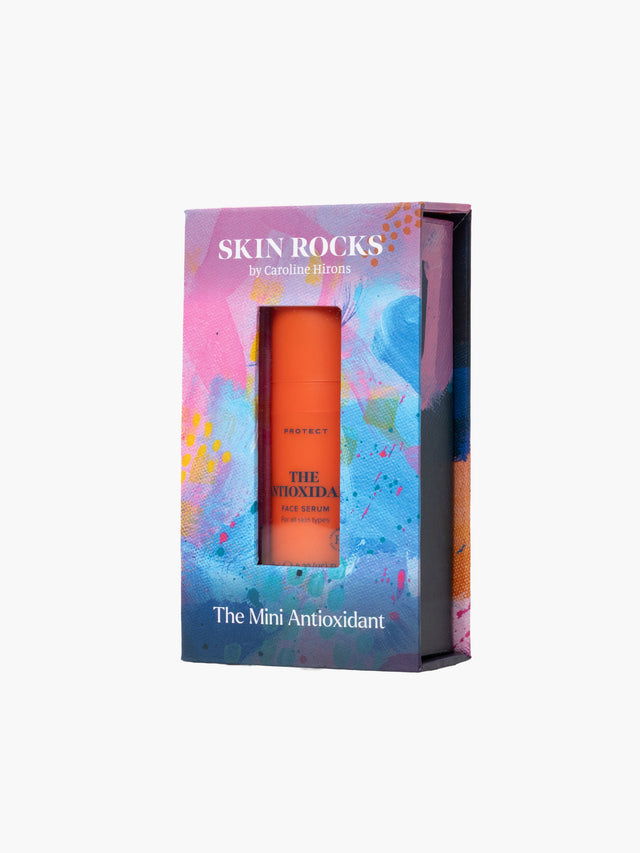
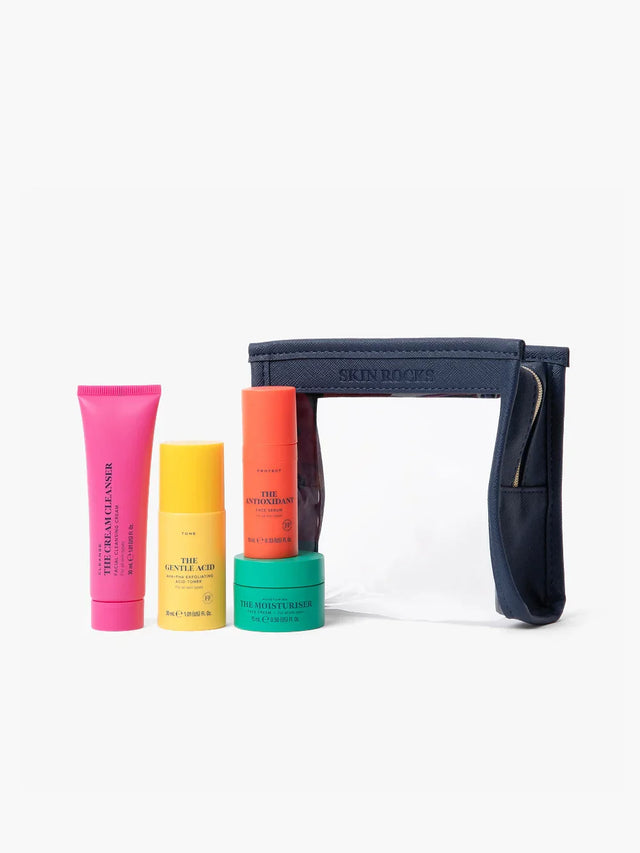
Skin Rocks’ The Antioxidant is formulated with a highly stable form of vitamin C that helps brighten skin and promote collagen synthesis, alongside innovative antioxidants acetyl zingerone, acetyl tetrapeptide-2 and green tea extract to enhance performance and provide supreme environmental protection.
It’s important to note that although antioxidants fight free radicals caused by UV exposure, they are NOT a replacement for sun protection: a broad-spectrum sunscreen is an absolute must.

3. Skin Barrier
Your skin barrier is the outermost layer of your skin and acts as your body's first line of defence against the outside world. Often compared to a brick wall, it consists of skin cells (the "bricks") held together by a mixture of lipids, including ceramides, cholesterol, and fatty acids (the "mortar"). A healthy skin barrier helps lock in moisture while keeping out irritants, pollutants, allergens, and harmful microorganisms. When functioning at its best, it keeps skin feeling smooth, hydrated, resilient, and comfortable, while supporting your skin's natural ability to repair itself.
When the skin barrier becomes weakened or compromised, it can no longer perform these protective functions effectively. The result is increased water loss (known as trans epidermal water loss or TEWL) which leaves skin dehydrated and more vulnerable to sensitivity, redness, irritation, and breakouts. Everyday factors such as harsh cleansing, over-exfoliation, using too many actives, excessive sun exposure, cold weather, and even stress can disrupt the barrier over time.
With so many trending skincare ingredients and viral new products, it's easy to overdo your routine. Potent actives like retinoids, exfoliating acids and vitamin C can deliver great results, but using too many at once or too often can strip away essential lipids which is why maintaining a healthy skin barrier has become the bedrock of modern skincare.
The problem is that compromised skin is inflamed, dehydrated, and focused on repair rather than responding to active ingredients. Moisture escapes more quickly, while potent ingredients are more likely to cause irritation, making even your best serums seem less effective. Restoring your skin barrier and tackling any sensitivity first is essential. Focus on a simple routine with gentle cleansing, consistent hydration, and support your skin with ingredients that replenish lost lipids, boost hydration, and reduce water loss.
Ceramides, cholesterol, and fatty acids work together to rebuild the skin's protective barrier, while humectants such as glycerin and hyaluronic acid draw moisture into the skin. Soothing ingredients such as panthenol (provitamin B5), niacinamide, and colloidal oatmeal help calm irritation and support recovery, while emollients like squalane soften and nourish the skin.
4. Collagen
Collagen is the most abundant protein within the skin and serves as a key structural component responsible for firmness, strength and elasticity. Produced primarily by fibroblast cells in the dermis, collagen forms an intricate framework that helps maintain the skin's smooth, youthful appearance.
From our mid-twenties onwards, collagen production begins to decline naturally, while existing collagen is gradually broken down by intrinsic ageing and external factors such as UV exposure. Collagen is a large protein, which means its molecules are too big to penetrate deep into the skin— which is why applying collagen in a cream or serum doesn't increase the amount of collagen in your skin or stimulate your body to produce more of it. In short, topical collagen doesn't rebuild your skin's collagen, but it can still be a valuable moisturising ingredient that improves the skin's appearance and feel. If your goal is to increase collagen production within the skin, ingredients such as retinoids, vitamin C, and peptides have much stronger evidence for supporting collagen synthesis.
That doesn't mean topical collagen is ineffective, though. Collagen is an excellent humectant meaning it attracts water and creates a lightweight, invisible layer on the skin's surface. This helps reduce moisture loss, leaving the skin feeling softer, smoother, and more hydrated. Well-hydrated skin also appears plumper, which can temporarily soften the look of fine lines and give the complexion a healthy, dewy glow.
5. Cell turnover
Cell turnover is your skin's natural renewal process. Your skin is constantly making new cells deep within the epidermis, the outer layer of your skin. As these new cells form, they slowly move upward toward the surface. During this journey, they flatten, fill with keratin (a protective protein), and eventually become dead skin cells that create your skin's protective barrier.
Once these cells reach the surface, they naturally shed and are replaced by the newer cells underneath. This continuous cycle keeps your skin healthy, smooth, and functioning properly. In young adults, the entire process usually takes around 28 days, but it gradually slows with age. By your 40s or 50s, it can take 45 to 60 days or even longer.
When cell turnover is working well, your skin tends to look brighter, smoother, and more even. When it slows down, dead skin cells can build up on the surface, making the skin look dull, feel rough, and become more prone to clogged pores and breakouts. Hyperpigmentation and acne marks may also take longer to fade because fresh skin cells are reaching the surface more slowly.
Many skincare products are designed to support this natural process. Exfoliating acids help remove the dead skin cells that have already reached the surface, revealing fresher skin underneath, and retinoids, such as retinol and retinal work by encouraging skin cells to grow and mature more efficiently over time — to help improve texture, fine lines, and uneven pigmentation.

It's important to remember that faster isn't always better. Healthy skin isn't about forcing the skin to renew as quickly as possible. Overusing exfoliants or strong active ingredients can damage the skin barrier, causing irritation, redness, and sensitivity. The goal is to support your skin's natural renewal cycle while keeping the barrier healthy and balanced.
6. Double Cleanse
Double cleansing is a two-step cleansing method that originated in Asian skincare routines. The first cleanse is typically an oil-based cleanser or balm that helps dissolve makeup, sunscreen and excess oil. The second cleanse is usually a water, gel or cream cleanser that removes sweat, dirt and any remaining residue.
For people who regularly wear makeup, use sunscreen or live in polluted environments, double cleansing is essential — as makeup and sunscreen are both designed to stay put on your face. The purpose of the first cleanse is to break down makeup, sunscreen, and oils that will likely clog your pores, and the second cleanse is to rinse off traces of the first cleanser, deep clean your pores, and prepare your skin for the rest of your routine. Done well, this will enhance the efficacy and penetration of everything else you put on your skin and is therefore the most important part of any skincare routine. It’s pointless buying great treatments or serums if your face isn’t properly clean.
The power of double cleansing lies in the ‘like attracts like’ properties of an oil-based cleanser. The oil binds with oil-based impurities, products and makeup, dissolving all the tough stuff that we add to our faces during an average day. With the first layer of impurities removed, the second cleanse—usually a milk, gel or foam but sometimes another round with an oil— then works on the skin and pores to extract sweat, pollutants and other impurities deeper down.
If you haven’t worn sunscreen/don’t wear makeup and your skin feels clean and comfortable after a single gentle cleanse, you may not need the extra step.
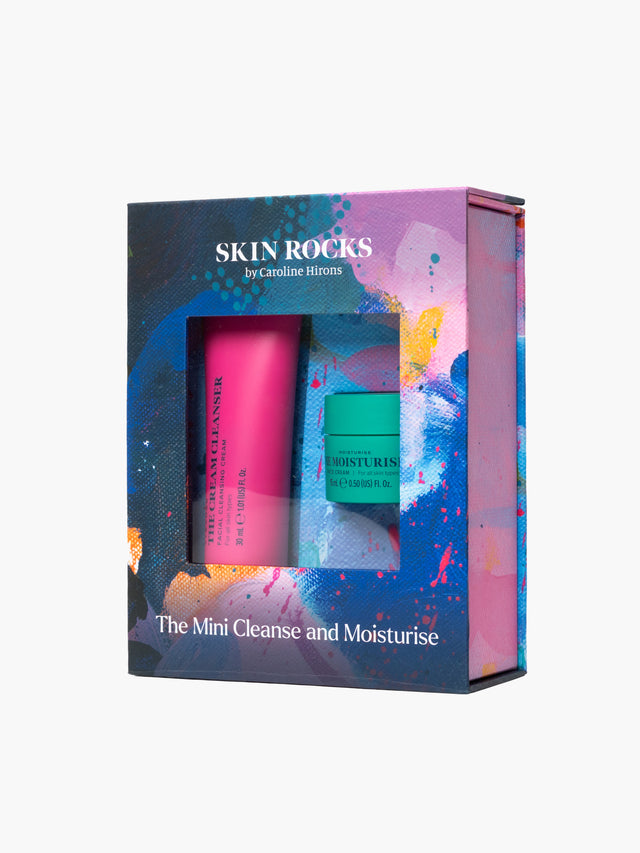
Enjoy an easy introduction into sensorial double cleansing with the Skin Rocks curated double cleanse duo.

7. Free radicals
No, Free Radicals are not a hot new band, and if you aren’t well-versed in all things Skin Rocks The Antioxidant yet, you may want an intro to these molecules. Invisible they may be, but free radicals cause a range of highly visible complexion issues and are absolutely worth tackling as a non-negotiable part of your daily routine.
Free radicals are unstable molecules with unpaired electrons that are constantly in search of a ‘spare’ to complete themselves — which they can steal from our healthy cells. Although they are produced naturally in the body, they are also triggered by environmental aggressors such as pollution, cigarette smoke and UV rays - resulting in skin damage called oxidative stress that leads to accelerated ageing, laxity and wrinkles.
Fighting free radicals is clearly a preventative skincare must, so a good antioxidant is a routine staple to ‘donate’ an electron before they have a chance to nick one from your healthy cells. There are several different types of free radicals, each capable of damaging the skin in slightly different ways. Because no single antioxidant is equally effective against every type, that’s why many skincare formulas combine several antioxidants to fight free radicals from multiple angles.

8. Medical Grade
Medical grade (and its sibling ‘clinical grade’) are both meaningless marketing terms. Used repeatedly in the skincare world (mainly by brands that choose to only sell in professional clinics), it is not a legally defined or regulated term in cosmetics.
When you launch a product in the UK, under laws such as the UK Cosmetics Regulation and the Human Medicines Regulation 2012 it will be regulated either as a cosmetic or as a medicine. There is no legally recognised category called ‘medical grade’. Classification depends not only on the ingredients but also on a product’s intended use and the claims made about it; if a product is intended to treat or prevent disease, or to restore or significantly modify physiological function, it must be regulated as a medicine and meet strict approval requirements.
Most so-called ‘medical grade’ skincare products are simply cosmetics sold through clinics or professional channels, which can create a perception of higher efficacy without any distinct regulatory standard behind the label.
Just because it’s on the shelf in a dermatologist’s clinic does not mean the product is any different, in regulatory terms, from something you can buy at Space NK. What matters is clinical studies and third-party testing. Quality depends on formulation, stability, ingredient concentrations, delivery systems and evidence — not on a marketing phrase.
The only real medical grade products are prescription only and not available to buy over the counter. Speculums and breast implants are medical grade. Not skincare.
9. Non-Comedogenic
Non-comedogenic simply means ‘does not block pores’. The term is most commonly associated with products designed for oily, acne-prone or congestion-prone skin, where blocked pores can contribute to blackheads and breakouts.
However, all evidence that a product is non-comedogenic is anecdotal as it is scientifically untested, based on outdated ingredient theory and offers no guarantee that a product will never cause spots. Breakouts can occur for many reasons, including hormones, skin irritation or incompatibility with certain ingredients, and acne is a complex condition influenced by hormones, genetics, inflammation, sebum production and skin microbiome changes. While a non-comedogenic formulation may reduce the risk of pore blockage, the term should be used only as a rough guide, not as fact.
pH-Balanced
The skin has a naturally slightly acidic surface, often referred to as the acid mantle. This protective layer helps support the skin barrier, maintain hydration and keep support beneficial skin microbes (your microbiome). A pH-balanced product is designed to work in harmony with this natural environment rather than disrupting it. When products are excessively harsh or overly alkaline, they can temporarily disturb this balance and leave skin feeling tight, dry or irritated. While pH isn't the only factor that determines whether a product is suitable, choosing gentle, well-formulated cleansers and treatments can help keep the skin comfortable and resilient.
Healthy skin naturally has a slightly acidic pH of around 4.5–5.5, which helps keep the skin barrier strong and healthy. Exfoliating acids, however, work best when they're formulated at a lower pH (around 3.5–5). At this lower pH, more of the acid is in a form that can penetrate the skin and loosen the bonds or ‘glue’ holding dead skin cells together. This helps remove dull, flaky skin, leaving the complexion looking smoother, brighter, and more radiant. While the exfoliating product is on your skin, it temporarily lowers the skin's surface pH so the acid can work effectively. Once the product is absorbed or rinsed away, your skin naturally restores its normal slightly acidic pH.

For more industry term explanations and jargon-busting education, see our article FREAKquently Asked: Industry Jargon Explained.
Words by Nicky Connors - Team Skin Rocks
Qualifications - Beauty Industry Professional, 25 years | BA (Hons 1st) English | Beauty Writer | Copy Editor | HND Specialist Makeup.