FREE UK SHIPPING ON ORDERS £50+






My mum was diagnosed with secondary (metastatic) breast cancer in 2016, and because her cancer was hormone-related, she had to start menopause prematurely as part of her treatment. Over the years, I’ve come to understand not only the complexities of secondary breast cancer, but also how closely it intertwines with menopause.
I’m passionate about raising awareness because anyone, at any age, could face a diagnosis like this — and it’s life-altering. It’s not just the person with the diagnosis who is affected, but their entire family. From the outside, my mum looks like the picture of health. She has all of her hair, she’s mobile, and she manages a lot of everyday tasks. But it’s what you **don’t** see that takes the greatest toll.
"Treatable but not curable."
That phrase defines her reality. Half of what I now know, I didn't know until someone I loved went through it. That’s why I’m writing this, to open the conversation. We’re finally starting to talk more about menopause, but secondary breast cancer? Not enough.
They say your life can change in an instant, and it really does the day you hear the words “you have cancer.” The person who walked into that room doesn’t walk back out. Instead, a new “you" now exists: someone newly diagnosed, someone who now faces countless hospital visits, rounds of chemo, and the constant anxiety of waiting for scan results.
Chemotherapy is brutal. It doesn’t just target cancer cells, it attacks all cells. That means its side effects show up across your entire body:
- Dry, itchy, sensitive skin
- Rashes and acne-like breakouts
- A flushed complexion
- Brittle nails
- Thinning or loss of hair (including lashes and brows)
- Chapped lips
- Heightened sun sensitivity
And that’s just the surface.
Your body becomes almost unrecognisable. Your reflection changes daily. Simple rituals — like cleansing your skin or putting on makeup — lose their joy. They stop being about self-expression and start feeling like just another task on a long list.
Have you ever heard anyone mention menopause and cancer treatment?
Most people haven’t.
But the two are often linked. Cancer patients frequently experience premature, chemical, or surgical menopause as part of their treatment. For women with secondary breast cancer who are pre-menopausal — particularly those with hormone-receptive cancer — menopause is a guaranteed side effect.
This type of induced menopause is just as tough as the natural kind. It brings all the familiar symptoms:
- Hot flushes
- Night sweats
- Hair loss
- Fine lines and wrinkles
- Dry, itchy skin
Now, layer those symptoms on top of the side effects of chemotherapy, and it’s relentless.
Unlike women going through natural menopause, many cancer patients can’t take HRT (Hormone Replacement Therapy) due to the risks linked to hormone-sensitive cancers.
So where does skincare come in?
Some of the skin changes caused by menopause and chemotherapy are similar — but the solutions aren’t always the same.
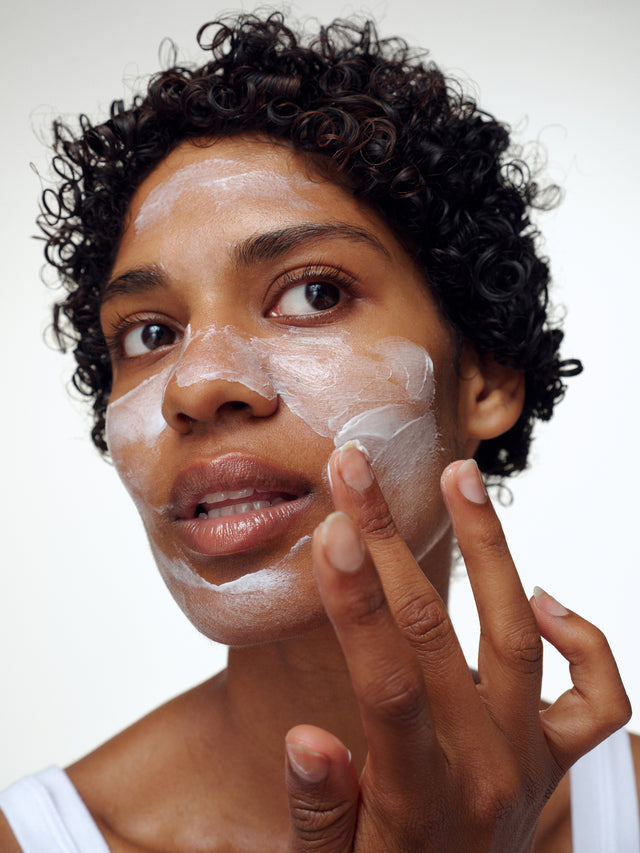
While repairing the skin barrier and boosting hydration are important in both cases, products that work for one may not be suitable for the other. Navigating what your skin actually needs — safely — can be overwhelming.
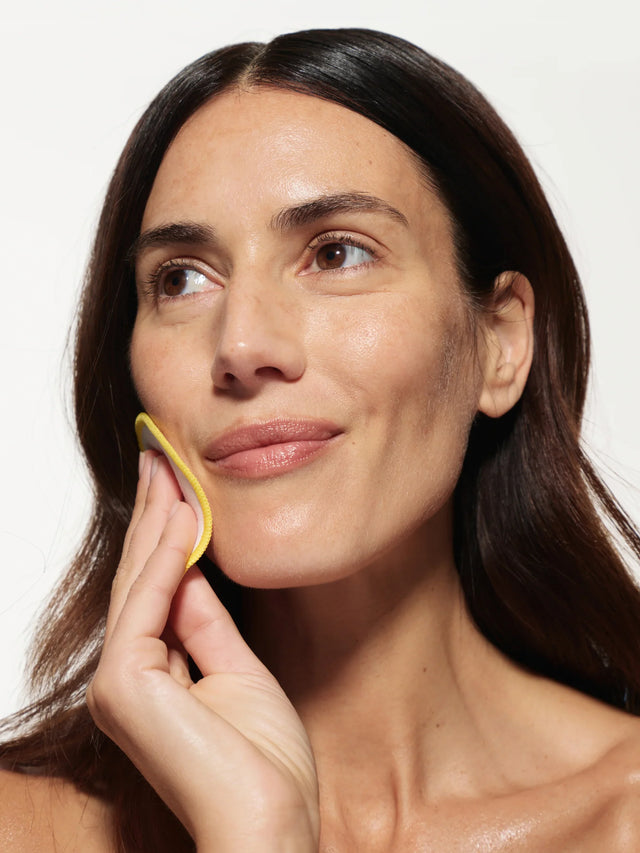
Yet this is where you can start to reclaim a bit of yourself. Even five or ten minutes a day for you— to cleanse, moisturise, try a new product, or just pause — can be enough to reconnect with your body and mind.
Yes, everything has changed. But joy is still possible. You may not do things in the same way, but that doesn’t mean you have to leave behind the things that made you feel like you.
Skincare might seem unimportant in the grand scheme of things but those small, nurturing moments add up. They can be acts of defiance, self care and love.
Appreciate just how amazing you — and your body — are.
Words by Charlie – Team Skin Rocks
Just a little note: I know everyone’s experience with cancer and menopause — whether separately or together — is unique. Some of what I’ve shared here might not apply to your journey. But if even one small part resonates, or helps you better understand what someone else is going through, then I hope it’s been worth reading.