FREE UK SHIPPING ON ORDERS £50+








To understand this topic, we must first look at what moisturisers actually do, and how our skin differs during the day vs the night.
The function of a moisturiser
Traditionally, the sole purpose of a moisturiser was to lock in hydration by strengthening the lipid barrier on the skin to prevent water escaping. These moisturisers were typically occlusive-based products, such as petroleum jelly.
As formulas and technology have advanced over time, moisturisers now do much more than this; not only do they prevent water loss and help strengthen the skin barrier, they can also directly add water to the skin through humectant ingredients, soften the skin via emollients and even protect the skin with antioxidant ingredients. Whilst the main function of a moisturiser is still to lock in hydration, the formulas are now much more complex and can provide numerous skincare benefits.
Skin during the day vs during the night
During the day, our skin is in defence mode, fending off free radicals from environmental aggressors such as the pollution of UV rays. During the night, on the other hand, the skin is in repair mode, where the skin works hard to rejuvenate while you sleep.
Do you need a dedicated ‘night’ moisturiser?
Many people and brands advocate for using a dedicated ‘night’ cream—often a richer moisturiser that might be slightly better at preventing water loss and aiding the nightly repair process. Whilst there is nothing wrong with doing this, this is not something that is necessarily needed.
You can absolutely use the same moisturiser during the day and night —as long as you have found a moisturiser that works for you, you do not need to invest in a separate night cream. The only reason you might want to do this is if your moisturiser is the primary source of the active ingredients you are using on your skin, or if your moisturiser contains sunscreen, in which case you would not need this in the evening. The majority of us will already have a separate AM and PM skincare routine, meaning that we’re already tailoring our active ingredients for the morning and evening through our other products, e.g., our serums.
The myth that you ‘need’ a separate nighttime moisturiser is simply marketing, but not only does this lead to overconsumption, it also overcomplicates people’s routines. As we all know, it’s best to be consistent with your skincare and avoid using too many new/different products at once, so it can actually be better to stick to one moisturiser for day and night, particularly if you have reactive skin.
How to pick your moisturiser
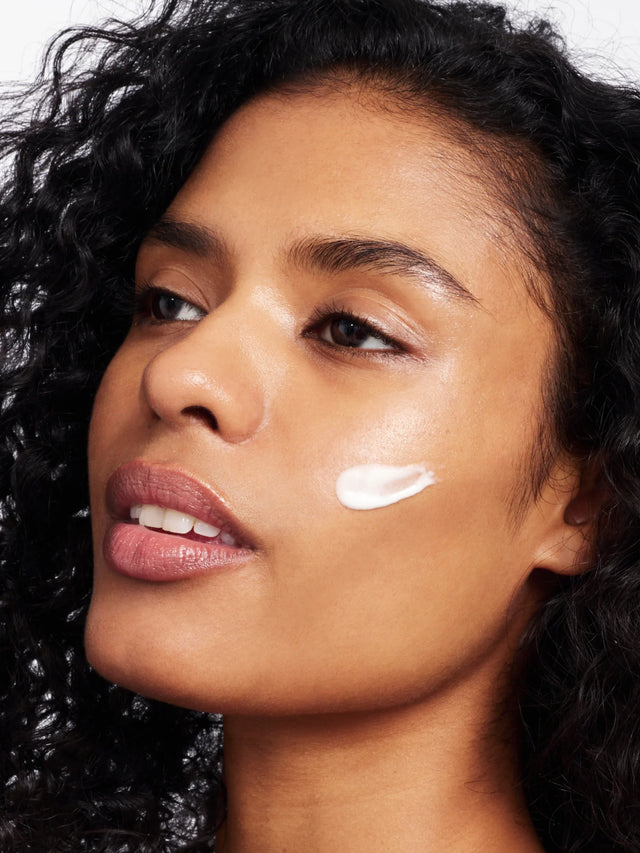
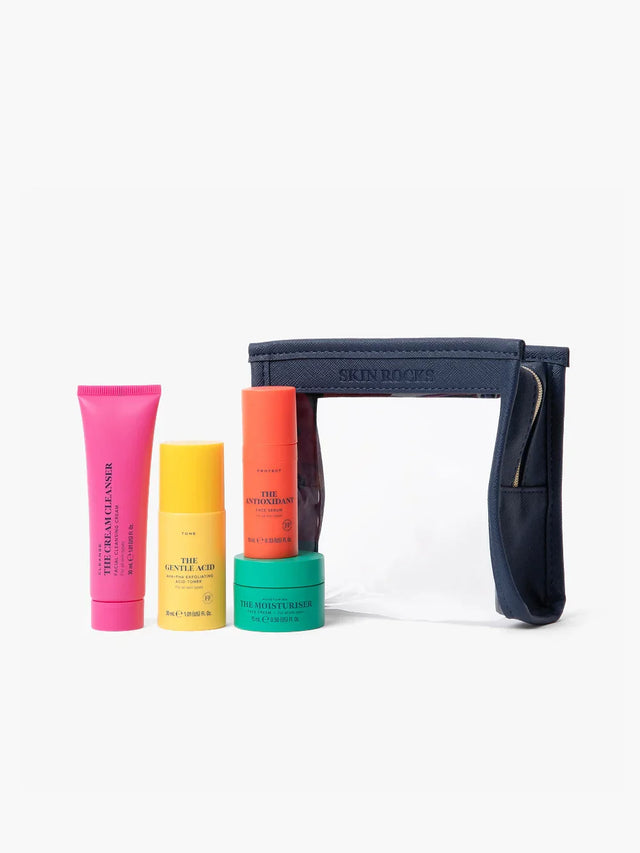
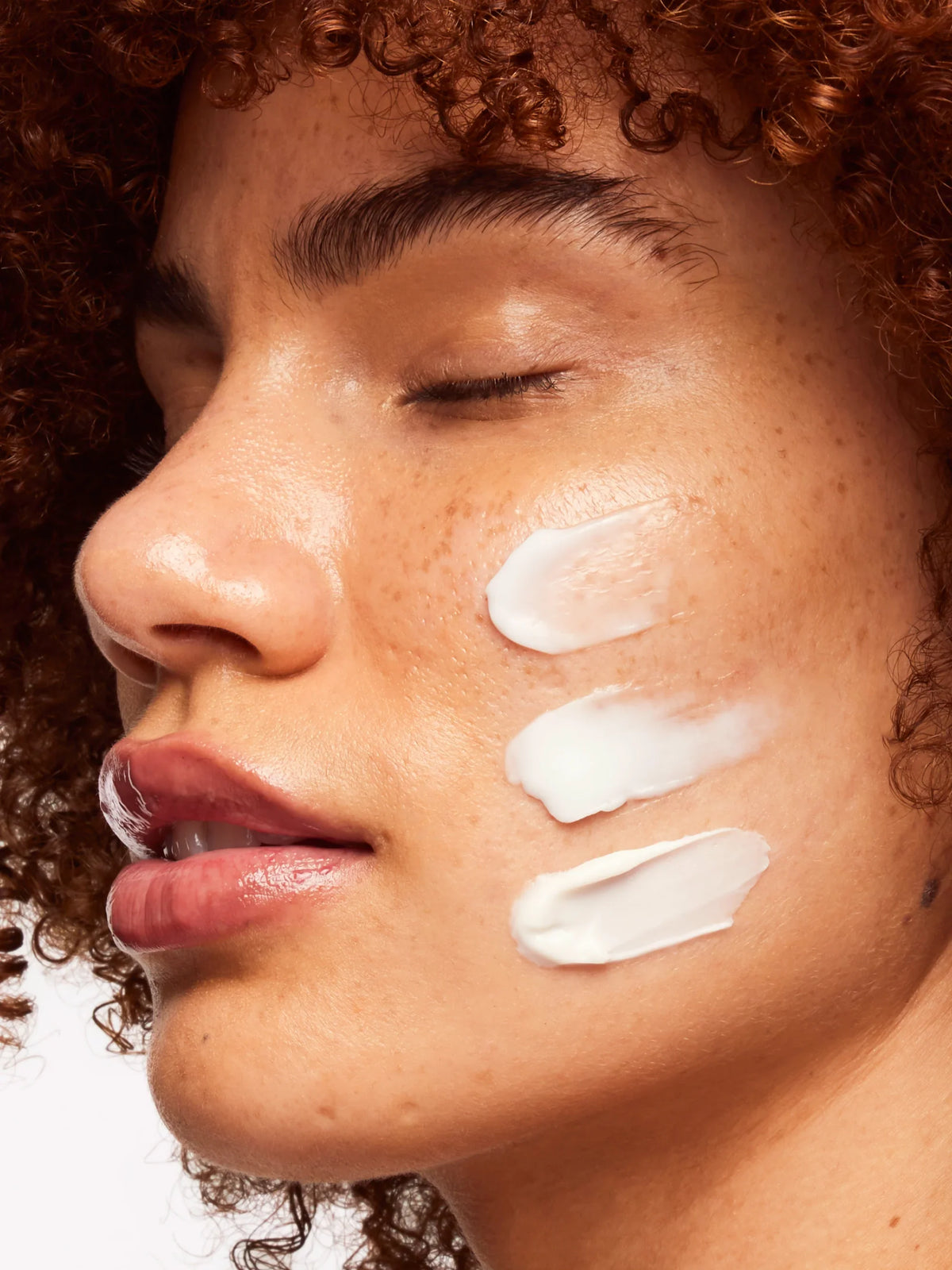
The most important thing when it comes to finding a moisturiser is to pick one that is suitable for your skin type and works for you; something that is nourishing enough for your skin, but not too rich. The Moisturiser by Skin Rocks is a great all-rounder thanks to its lightweight, whipped texture that is simultaneously ultra-nourishing, making it suitable for absolutely all skin types.
Skin Rocks The Moisturiser
If you have dry and/or mature skin and your skin needs something a little richer, opt for The Rich Moisturiser, which is specifically formulated for dry and/or mature skins.
Skin Rocks The Rich Moisturiser
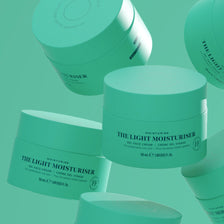
For those with combination, oily, or congestion-prone skin who want a lightweight moisturiser for everyday use, The Light Moisturiser with its light, gel-cream texture.
Skin Rocks The Light Moisturiser
The bottom line
You do not need a separate nighttime moisturiser. By all means, if you wish to purchase one, go ahead, but there is no requirement to buy dedicated moisturisers for this.