FREE UK SHIPPING ON ORDERS £50+






Myth 1: Retinoids exfoliate the skin
Since the common early side effects of starting a retinoid (peeling, irritation and redness) closely mirror those of starting a skin exfoliant, this is a common misconception. In fact, the mechanisms for each differ. Dermatologists often describe the epidermis (top layer of the skin) as a brick wall, with bricks (the individual cells) and mortar (the glue, aka lipids) holding the wall together. With exfoliants, bonds between cells are broken, which causes the shedding of cells at the top layers. By contrast, retinoids rev up the production of more new healthy cells.
Myth 2: Retinoids work for a while until the skin “gets used to them” and then stop being effective
Often, as one becomes acclimated to an active ingredient, they stop seeing side effects like peeling and flaking skin and assume it is no longer working. But this is not an indication that the skin isn’t responding, just that any early period of irritation is over.
The Ranella-ism I use to explain this to patients is of an aeroplane. At first, the plane takes off and is elevating to gain speed and momentum until the point at which you hit cruising altitude. What is so often described as "the skin getting used to" is just "cruising altitude." True, it's no longer bumpy, but you are still en route to your destination. Your skin. continues to improve even when you stop seeing those signs -Ranella Hirsch, MD FAAD
It is the difference in how individuals tolerate this adaptation process that determines whether it’s helpful to change your approach. For many, retinoid success can be defined as the consistent use of a single product or potency. For others, it may include a gradual increase in the potency or frequency of the product being used. This is especially true with sensitive or more melanated skin types where irritation and/or hyperpigmentation are a concern.
Myth 3: Retinoids thin the skin
This misunderstanding stems from the initial reaction of a specific skin layer. The epidermis, or the upper main layer of the skin, is comprised of five layers, with the stratum corneum at the top. This layer of dead skin cells is compressed when you start a retinoid, which does seem as though the skin is thinning.

However, the way we explain it is to think of tidying blocks in a playroom by lining them in order. Although you are working with the same bricks, they are now lined up and organised. With continued use, the retinoid causes increased cell turnover and a reduction in collagen breakdown in the rest of the skin (which is most of it), and the result is thicker skin which appears smoother and healthier.
Myth 4: Retinoids are all the same
Retinoids are a blanket term for a category of vitamin A derivatives used in skincare. They are beloved for their ability to impact many skin concerns, including acne, psoriasis, hyperpigmentation, and the appearance of sun-damaged skin. They range widely in formula and potency, encompassing a spectrum of products available both with or without a prescription. Generally speaking, they are classified by potency based on the number of steps necessary for their conversion to tretinoin, the form that is immediately bioavailable (has specific receptors for) to the skin. Each conversion step decreases the strength of the ingredient. For example, retinal is stronger than retinol.
Myth 5: Retinoids during pregnancy
Retinoic acid is normally found in human blood and has extensive applications in medical practice. Oral retinoids produce a characteristic set of birth defects and are absolutely contraindicated in pregnancy.
To explore the risk of topical retinoids, a collaborative study looked at the rate of genetic malformations following first-trimester exposure. 235 exposed pregnant women were compared with 444 non-exposed pregnant women, and no significant differences were observed with regard to spontaneous abortion, birth defects, or evident retinoid-induced abnormalities.
The fact that topical tretinoin application seems to show minimal skin absorption and does not seem to show a higher risk for major birth defects in newborns is highly reassuring. However, because potential fetal abnormality-causing exposure levels in humans are unknown, the risk/benefit ratio is lacking regarding regular use. In clinical practice, our advice is to have a conversation with those caring for your pregnancy, as the two of you know your pregnancy and situation best.
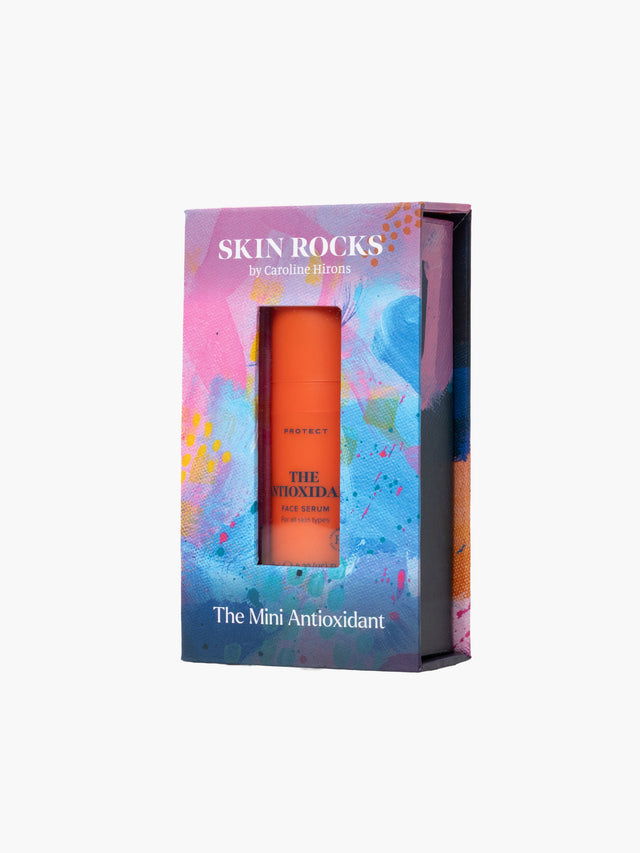
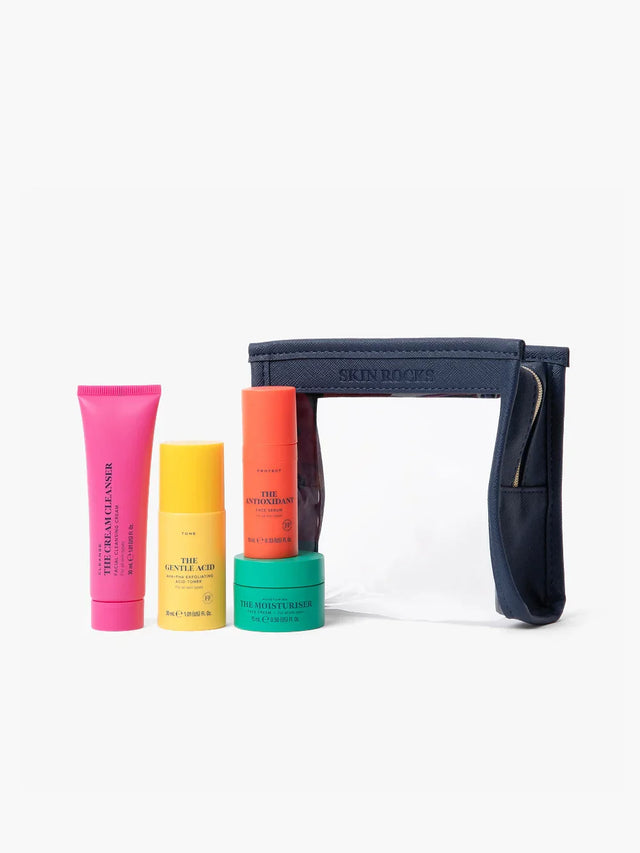
Retinoid 1,2 and 3 by Skin Rocks —If these are within budget for you they are lovely. Formulated in a silky base that is rich enough to potentially forgo moisturiser. Dreamy texture, zero smell and three strengths: one beginner, one intermediate and one advanced. Well worth significant allocation of skincare actives budget.

Differin® Gel by Differin is great for acneic skin. Initially a prescription drug, this does a nice job on both white and blackheads for a great price. Widely accessible and effective, it can be bought over the counter in the US and if you're in the UK you can consult your NHS GP. If they determine it is clinically necessary to treat acne, they can prescribe it for you. You can also obtain Differin® via online doctor services/consultations with Boots and Superdrug.
Words by Ranella Hirsch, MD FAAD
Past President, American Society of Cosmetic Dermatology and Aesthetic Surgery
Follow @RanellaMD
References:
Myth 1
Kang S. The mechanism of action of topical retinoids. Cutis. 2005 Feb;75(2 Suppl):10-3; discussion 13. PMID: 15773538.
Myth 2
Callender VD. Acne in ethnic skin: special considerations for therapy. Dermatol Ther. 2004;17(2):184-95.
Myth 3
Dreno B, Kang S, Leyden J, York J. Update: Mechanisms of Topical Retinoids in Acne. J Drugs Dermatol. 2022 Jul 1;21(7):734-740.
Myth 4
Mukherjee S, Date A, Patravale V, Korting HC, Roeder A, Weindl G. Retinoids in the treatment of skin aging: an overview of clinical efficacy and safety. Clin Interv Aging. 2006;1(4):327-48.
Sorg O, Antille C, Kaya G, Saurat JH. Retinoids in cosmeceuticals. Dermatol Ther. 2006 Sep-Oct;19(5):289-96.
Myth 5
Kaplan YC, Ozsarfati J, Etwel F, Nickel C, Nulman I, Koren G. Pregnancy outcomes following first-trimester exposure to topical retinoids: a systematic review and meta-analysis. Br J Dermatol. 2015 Nov;173(5):1132-41
Kong YL, Tey HL. Treatment of acne vulgaris during pregnancy and lactation. Drugs. 2013 Jun;73(8):779-87.
Mondal D, R Shenoy S, Mishra S. Retinoic Acid Embryopathy. Int J Appl Basic Med Res. 2017 Oct-Dec;7(4):264-265.
Panchaud A, Csajka C, Merlob P, Schaefer C, Berlin M, De Santis M, Vial T, Ieri A, Malm H, Eleftheriou G, Stahl B, Rousso P, Winterfeld U, Rothuizen LE, Buclin T. Pregnancy outcome following exposure to topical retinoids: a multicenter prospective study. J Clin Pharmacol. 2012 Dec;52(12):1844-51.
Veraldi S, Rossi LC, Barbareschi M. Are topical retinoids teratogenic? G Ital Dermatol Venereol. 2016 Dec;151(6):700-705. Epub 2016 Sep 6.
Williams AL, Pace ND, DeSesso JM. Teratogen update: Topical use and third-generation retinoids. Birth Defects Res. 2020 Sep;112(15):1105-1114.