FREE UK SHIPPING ON ORDERS £50+







Why is fragrance added to skincare, other than to make the product smell good?
There are three main reasons for adding fragrance to formulations. First, the sensory appeal of fragrance is a primary driver — a beautifully scented formula undoubtedly makes products more enjoyable to use. Second, there are well-established emotional and psychological benefits associated with scent, especially when it comes to spa settings, aromatherapy, and ritualistic relaxation practices. There are also strong brand identity/’signature scent’ considerations; I mean who doesn’t close their eyes in appreciation when inhaling the Skin Rocks light, refreshing fragrance?
The other reason for adding fragrance to formulations is to mask any unpleasant smells that may result from other raw materials in the formulation. Some skincare ingredients have strong odours, ranging from burnt matches/rotten eggs (sulfur), sour/vinegary (fermented/probiotic skincare), plasticky (retinol), metallic (vitamin C), rubbery (azelaic acid), fishy or animal-like (marine/animal collagen/peptides) and ammonia/urine-like smell (urea). Adding a lovely scent can mask this and make for a far more enjoyable user experience.
Should brands always offer a fragrance-free option?
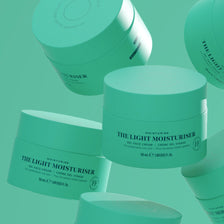
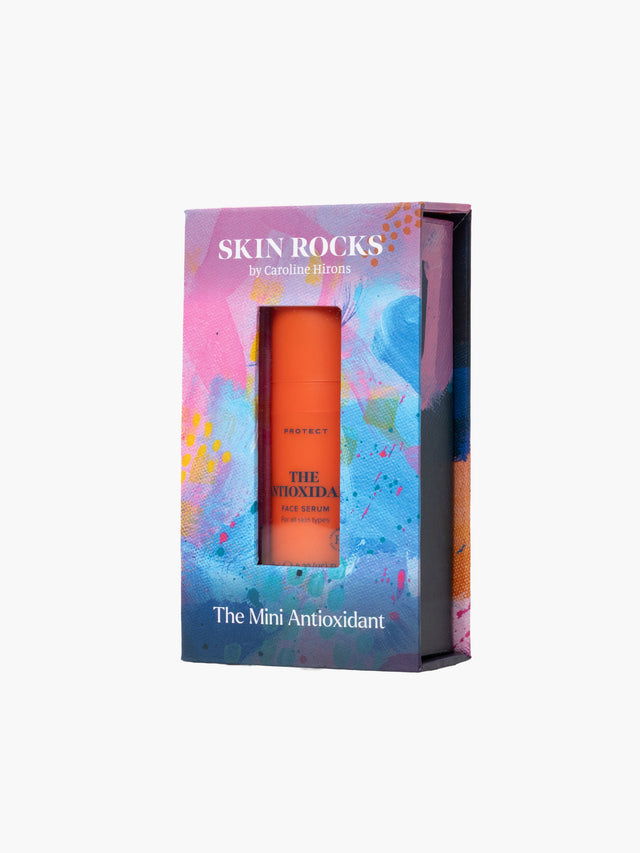
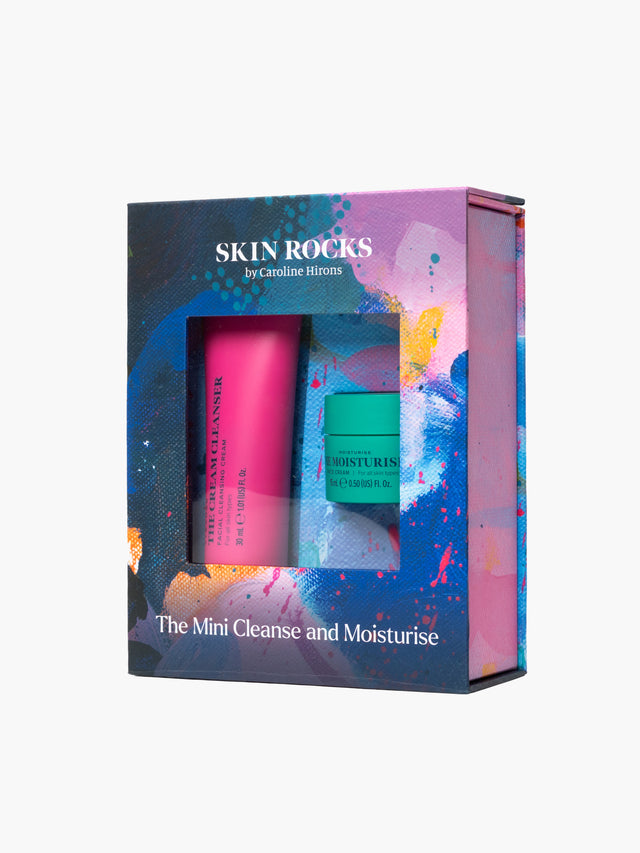
Yes, ideally. Many people prefer and enjoy fragranced skincare, but sensitive skin types, allergy-prone individuals, and those with conditions such as rosacea or eczema should have a fragrance-free option. A good balance is offering both fragranced and fragrance-free versions so that consumers have a choice. You can explore Skin Rocks' fragrance-free products here:
Can you still use fragranced products on a compromised skin barrier?
It’s best to avoid fragranced products while your skin barrier is compromised. You can always introduce them again when your skin is stronger. A damaged barrier means the skin’s protective function is weakened, making it more prone to irritation and sensitivity, and fragrance compounds — both natural and synthetic — can penetrate more easily, increasing the risk of inflammation or allergic reactions. If your skin barrier is compromised, opt for fragrance-free, barrier-repairing products with ingredients that help repair, hydrate, and protect.
Look for ingredients such as: Ceramides, Cholesterol, Glycerin, Squalane, Panthenol, Centella Asiatica, Colloidal Oatmeal, Niacinamide and Vitamin B3.
Do fragrance oils have any other skincare benefits?
Yes, when properly formulated, some fragrance oils and botanical extracts can actually pull double duty — offering additional benefits to the skin as well as making the product smell great. For example, lavender and rosemary oils have antioxidant properties, rose otto is hydrating, chamomile oil is calming and geranium is antibacterial/oil balancing. Benefits obviously depend on fragrance concentration, your skin type, the overall formulation and individual tolerance.
What makes a perfumed skincare product smell 'off'?
Oxidation is often one of the main culprits. Many fragrances, especially natural essential oils or certain synthetic fragrance compounds, are susceptible to oxidation when exposed to air, light, or heat — and as these compounds oxidise, they can break down and develop an unpleasant or rancid odour.
However, an off-smelling product can also be due to fatty acids and oils undergoing oxidation, even if the fragrance itself hasn't degraded. The interaction between fragrance and other ingredients can also lead to a change in scent, as can a decline in stability.
How can I help prevent this, or minimise scent changes?
The best way to minimise changes is to store products in cool, dark places away from direct sunlight and heat, which can speed up the degradation of both fragrance and active ingredients. Seal products well (products in airless pumps or opaque containers are better at protecting fragrance from air and light exposure), and check expiration dates or the period after opening (PAO) symbol on the packaging — this will tell you how long the product is good for after being opened (e.g., 6 months, 12 months, etc.).
Generally, a slightly altered scent in skincare products may still be acceptable, but any smell that is overly unpleasant or offensive should prompt disposal. Scents that are ‘burnt’, ‘musty’, or rancid can indicate a compromised preservative system and reduced efficacy, while ‘sweet’ or fermented odors may signal microbial contamination, making the product unsafe for use.
What's your opinion on phthalates in fragrance? Clean Beauty advocates suggest they are unregulated and best avoided.
The ‘Clean Beauty’ brigade boils my blood. Phthalates (e.g., diethyl phthalate, DEP) have been historically used in fragrances as solvents to help slow down evaporation of volatile compounds, enhance the stability and performance of the fragrance and make the scent last longer. ‘Clean Beauty’ often demonises phthalates due to concerns over endocrine disruption, reproductive toxicity, and bioaccumulation, but from a cosmetic science standpoint, the concern is largely misguided and driven by misinterpretation of toxicology data. The toxic effects reported are sometimes at levels thousands of times higher than human exposure via cosmetics.
In the UK and EU, the use of high-risk phthalates (DBP, BBP, DEHP, etc.) is banned or highly restricted in cosmetics, and DEP is considered safe at current exposure levels. EU and UK testing is stringent, and ill-informed fearmongering around a specific ingredient in isolation is nonsense. I’ll say it again: Dose Makes the Poison.
Regulations in the U.S. are much looser. Since the FDA does not ban phthalates in skincare/fragrance, consumers must rely on full fragrance disclosure, third-party certifications, and brand transparency for further information. In the UK/EU and U.S, if a product simply lists ‘Fragrance’ or ‘Parfum’, there’s a chance it contains DEP because companies are not compelled to disclose fragrance ingredients (classified as trade secrets). If it really bothers you, just go fragrance free.
Is natural fragrance better than synthetic?
Not necessarily. Natural fragrances (essential oils, botanical extracts) can be just as irritating as synthetic ones, if not more. Essential oils contain allergenic compounds such as limonene, eugenol, and linalool, which oxidise and become sensitising over time.
Synthetic fragrances can sometimes be formulated to eliminate known allergens and be more stable. The main issue is that ‘natural’ isn’t inherently safer — it’s about the specific compounds present. If you want only ‘natural’ for personal reasons, then that’s a preference, not an intrinsically ‘better’ choice. Many argue that from a sustainability perspective natural fragrances have a high environmental impact due to resource-intensive farming, overharvesting, deforestation and high water usage. It’s never a blanket ‘good cop/bad cop’ scenario.
Can I improve my skin’s tolerance for fragrance?
Several factors contribute to fragrance sensitivity, including a weakened skin barrier, overuse of exfoliants, skin conditions such as eczema and rosacea, contact allergies and histamine response (some people have a heightened immune response to certain scent compounds). Consider seeing a dermatologist or allergist for patch testing to identify specific triggers, and if you have a true allergy, it’s best to avoid fragranced products altogether.
If your sensitivity is due to a compromised barrier rather than an allergy, you can strengthen your skin over time by using ceramide-rich moisturisers, avoiding products with alcohol or harsh surfactants, and incorporating niacinamide into your routine to reduce sensitivity. Once your skin is stable, try using a wash-off product (such as a lightly scented cleanser) before moving to leave-on products. You should then be able to enjoy scented formulations again and monitor your skin’s tolerance.
How can you tell if a reaction is due to fragrance or something else in the product?
If the reaction happens within minutes or shortly after using the product, fragrance is a likely culprit (as it’s highly volatile). If the reaction develops over time (days/weeks), it could be preservatives, actives, or emulsifiers. Patch testing with a fragrance-free version of the product can help identify the cause.
With products such as shampoo, other ingredients like surfactants (e.g., SLS, SLES), preservatives (e.g., methylisothiazolinone), or high levels of certain botanical extracts can also cause reactions, so it may not be fragrance related at all. Again, patch test fragrance free vs sulfate free shampoos — it’s really a process of elimination.
What causes fragrance sensitivity?
The sensitivity is typically caused by the allergens within the fragrance, rather than the fragrance itself, and whether synthetic or naturally derived, certain compounds are known allergens that can trigger skin irritation or allergic reactions in sensitive individuals.
Remember: Some people can tolerate low levels of fragrance allergens, while others react even at concentrations far below the legal limit. Just because it’s under the legal dose doesn't mean it’s allergy-proof.
What should I look out for in an INCI list if I am sensitive to fragrance?
Aside from ‘parfum’ or ‘fragrance’, check for essential oils (e.g., lavender oil, citrus oil, peppermint oil) and botanical extracts with scent properties (e.g., rose extract, ylang-ylang, jasmine). As part of the UK/EU Cosmetics Regulations, there are now 24 allergens* that need to be listed on pack if they are present within the fragrance in concentrations above certain thresholds. Consumers with known fragrance sensitivities should look for these allergens on labels, and although all on the list are potential irritants, the key culprits are Linalool, Limonene, Benzyl Alcohol, Citral, Geraniol, Eugenol, Coumarin and Isoeugenol.
This was previously 26, but 2 have since been banned. The EU expanded the list to over 80 from July 2026.*
Words by Caroline Hirons, Skin Rocks Founder and Skincare Expert.