FREE UK SHIPPING ON ORDERS £50+







What’s The Story?
Unless you’ve been hiding under a rock, you will be aware of the meteoric rise in weight loss drugs - all offering appetite control, fast fat loss and weight management. Whatever the brand name —from Ozempic® and Wegovy to Mounjaro and Saxenda— they are prescribed predominantly for those with type 2 diabetes or a BMI over 30-35 to improve blood sugar, regulate appetite and food cravings, and keep you feeling full. In other words, they can do much of the heavy lifting (no pun intended) when it comes to significant weight loss.
Unsurprisingly, millions of people around the world —including countless celebrities—have been jumping on the bandwagon. However, as brilliant as it is to have a widely available solution for overweight/obese people to reduce their BMI and improve their health, it is not a silver bullet.
The drugs are relatively new, there are limited scientific studies on long-term effects, and go steaming into drastic weight loss too fast and you’ll have another issue to deal with - sagging, deflated skin and a sunken look that’s been coined ‘Ozempic Face’.
While the term is associated with the medication itself, these changes can occur with any significant/rapid weight loss.
So, let’s look at what happens to the skin, and what —if anything—can be done to manage the after effects.
What Happens to Skin After Rapid Weight Loss?
There’s no way to sugarcoat this - extreme and/or rapid weight loss (whether via weight loss drugs, bariatric surgery, or crash dieting) can have a dramatic effect on skin. Losing dermal and subcutaneous fat from the face can contribute to a more aged, hollow look as the fat volume (essentially the plump padding that gives us a more youthful look) is lost. In addition, rapid weight loss weakens the collagen and elastin fibres that give our skin its structure, bounce and elasticity.
When weight loss occurs gradually, the skin's fibroblasts can continue producing collagen and elastin, allowing it to retract more effectively. However, with rapid or significant weight loss, the skin's ability to contract is overwhelmed, leading to lax tissue and an inability to ‘snap back’. Add in loss of oestrogen (if you’re menopausal) and skin’s youthfulness can take a serious hammering.
What are the main signs of ‘Ozempic Skin’?
- Crepey skin and more textural irregularities.
- More obvious nasolabial folds and marionette lines.
- Hollow cheeks, eyes, and temples: The eyes will appear deeper set, the temples can dip inwards, and the cheeks can appear sunken.
- Hanging skin (resulting from the skin losing its facial fat support) Jowling: where the lower face skin can hang over the jawline.
- Wrinkles and loose skin at the neck: the neck skin can sag and become creased.
- Loose, baggy skin on the body.
Can Topical Treatments Help?
Sadly, no cream or serum on the planet is going to pull your face back up, but the right ingredients can help improve skin texture, firmness, and overall appearance. Will these replace lost volume? No, but they will help support skin health which will complement other treatment options. These are the ones to look for:
- Retinoids – Excellent for stimulating collagen production, speeding up cell turnover and improving the elasticity that helps skin ‘snap back’ more effectively.
-
Peptides– As the building blocks for proteins such as collagen, elastin, and keratin, these are key to help keep skin firm, smooth, and youthful.
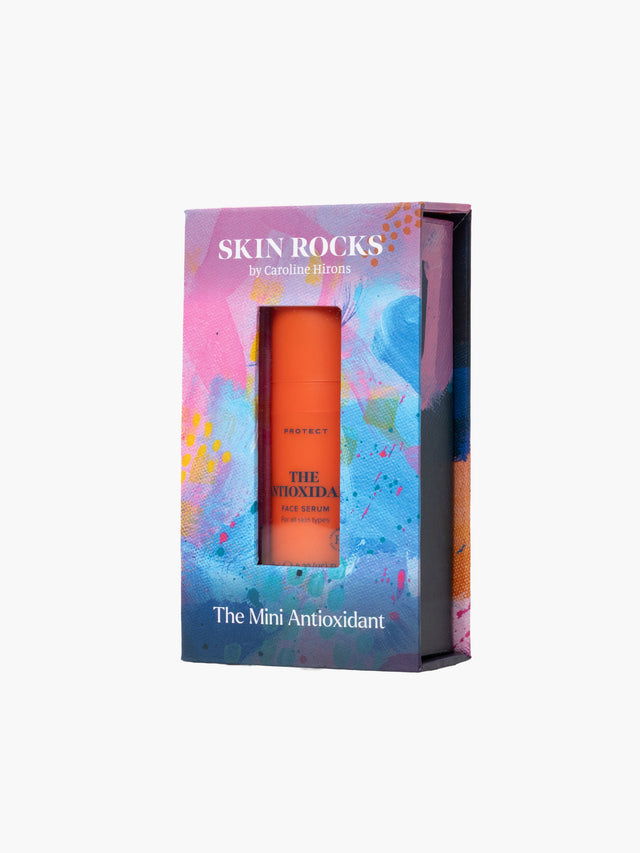
- Antioxidants - A good antioxidant/vitamin C serum will help shield the skin from free radical damage, preserve collagen levels, reduce the appearance of visible signs of ageing and improve elasticity.
- Growth Factors - Often found in serums, microneedling treatments and PRP therapy, growth factors are naturally occurring proteins that signal skin cells to repair, rebuild, and tighten.
- SPF (Obviously) – If you’re not wearing sunscreen, don’t even bother with the rest. UV damage breaks down collagen faster than anything.
Treatments and Tweakments
If you’re looking for something with more oomph than skincare—but less commitment than surgery— injectables and non-surgical treatments can offer some visible benefits. Bear in mind that most in-clinic treatments require patience and maintenance (you wouldn’t expect a firm body after one gym session), so be prepared to wait for optimal results and invest in repeat sessions to maintain results.
Skin Tightening Treatments (Radiofrequency, Ultrasound) – These work by heating the deeper layers of the skin, triggering collagen production, improving skin elasticity, reducing wrinkles, and creating a smoother, more youthful appearance. Think Morpheus8, Ultherapy, HIFU or Thermage.
EMFACE® - These devices can be used for non-invasive facial sculpting using a patented combination of synchronised RF heating and HIFES™ muscle stimulation to contract and restore facial muscles.
PDO (Polydioxanone) Threads - AKA a non-surgical facelift. The threads are inserted under the skin using a thin needle or cannula to provide an immediate lifting effect while stimulating collagen production over time. There are several different types that can be helpful for lifting, smoothing or adding volume.
RF (Radiofrequency) Microneedling — Treatments such as Potenza combine traditional microneedling with radiofrequency energy to stimulate collagen and elastin production, improving skin texture, firmness, and overall appearance.
Injectables (Filler, Sculptra, Profhilo) – Filler can restore lost volume, while biostimulators like Sculptra, Radiesse and Profhilo encourage your body to rebuild its own collagen. Done well, these can restore structure and plump out hollows.
PRP (Platelet-Rich Plasma)– Your own blood is spun to extract growth factors, then reinjected to stimulate collagen. Good for overall skin quality but won’t 'lift' per se. If you're looking for more noticeable lifting, PRP is often combined with other treatments such as microneedling or radiofrequency.
CO2/Deep Resurfacing Laser Treatments – Not a lifting solution as such, but these are intense skin rejuvenation procedures that boost collagen and significantly improve skin texture, tone, and tightness. There is downtime with these.
Polynucleotides — Commonly used on the face (such as the cheeks, jawline, and under-eye areas) but can also be applied to the neck, décolletage, hands, and other areas where skin laxity or dehydration is a concern.
Fat Transfer- This procedure involves harvesting fat from another area of the body and injecting it into the face to restore lost volume.
You can’t physically tighten loose skin with lifestyle alone, and nothing non-surgical will completely reverse baggy, sagging skin. However, lifestyle changes can help slow further collagen breakdown, and the right habits will support your skin’s ability to repair and regenerate.
Gradual Weight Loss — It’s tempting to go for the quick fix but try and aim for a gradual and sustainable weight loss approach to minimise the risk of significant facial changes.
Protein Intake — Protein will improve skin and muscle quality and help combat the negative effects of skin laxity and muscle loss. Aim for enough protein daily (chicken, fish, tofu, eggs—whatever works for you) and ensure you are eating nutritious foods in general — they help with overall skin quality and resilience.
Resistance Training — Research suggests that taking GLP-1s may lead to diminished facial muscle mass; further exacerbating the appearance of sagging and ageing. Resistance training helps rebuild muscle volume, filling out areas that might appear deflated, such as the cheeks, arms, and glutes. It also boosts collagen production by increasing circulation and reducing inflammation, which can improve skin elasticity.
Collagen Supplements — Hydrolysed collagen peptides are an excellent form of protein and play a key role in cellular collagen formation and renewal. We would recommend Ancient + Brave.
Hydration —when people are on Ozempic® or similar medications, they can often forget to drink enough water. It's important to keep skin well hydrated, so drink water like it’s going out of fashion - at least 1-2 litres a day.
Sleep – Basic but necessary. Skin repairs itself overnight, and sleep supports the production of growth hormones (which stimulate collagen synthesis) and helps reduce cortisol (the collagen-crushing stress hormone).
Final Thoughts (When Nothing Else Will Cut It)
Remember — Improving your health by losing excess weight is an achievement, and loose skin is a sign of your hard work. However, if you do want to get rid of it, it’s fixable. Just do your research, go to trusted accredited professionals, and weigh up the pros and cons: major cosmetic surgery comes with cost, downtime and scars. However, for excess skin removal, surgical procedures are the most effective - and permanent - solution.
There are myriad procedures available for brow, face, neck and body lifts, along with fat transfer techniques to supplement volume loss. To find a reputable surgeon, the organisations below are a good place to start.
- The British Association of Aesthetic Plastic Surgeons
- International Society of Aesthetic Plastic Surgery
Words by Nicky Connors - Team Skin Rocks
Qualifications - Beauty Industry Professional, 25 years | BA (Hons) English | Beauty Writer | Copy Editor | HND Specialist Makeup
References:
- https://pubmed.ncbi.nlm.nih.gov/38874170/
- https://pubmed.ncbi.nlm.nih.gov/38874170/
- https://pubmed.ncbi.nlm.nih.gov/33145720/
- https://pubmed.ncbi.nlm.nih.gov/33145720/
- https://www.webmd.com/obesity/what-is-ozempic-face
- https://www.webmd.com/obesity/what-is-ozempic-face
- https://btlaesthetics.com/uk](https://btlaesthetics.com/uk