FREE UK SHIPPING ON ORDERS £50+






Are all textures equally effective?
It’s not a question of whether the texture holds the key to efficacy, it’s the formula. Irrespective of the formula’s texture, skin feel or viscosity, its performance is down to the ingredient quality, composition and overall finished formula. You can have a thick, heavy cream that does little to repair the barrier, or a lightweight gel-cream that delivers really impressive barrier support. It's a myth that texture is synonymous with performance.
Shouldn’t barrier creams be rich?
Many people believe that the best way to treat a compromised barrier — or maintain a strong one — is via thick, heavy butters and creams. This may have characterised the majority of barrier products years ago, but formulation technology has evolved massively and the myth that “rich equals repair” is now widely dispelled. Formulas designed for barrier replenishment can now be simultaneously super-lightweight in texture and highly effective at replenishing the skin’s lipids.
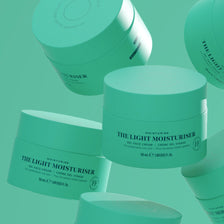
Check out Skin Rocks The Light Moisturiser
We've collectively been fed the idea that lightweight or gel-cream textures don’t deliver long-term hydration, or that oily skins should only use oil-free formulations. This is not true; light in feel doesn’t have to mean light in performance, and there should never be a trade-off between benefits and texture preference. Depending on the formula, a lighter product may in fact offer greater barrier support; for example a rich, occlusive cream might seal in moisture and feel protective, but may lack active barrier-repairing ingredients such as ceramides, cholesterol or fatty acids.

Are lighter textures only for oily and combination skin types?
No. Oiler skins admittedly often find lighter formulations more comfortable, but all skin types can benefit from lightweight moisturisers if the formulation is excellent. For example, in the summer months and in warmer climates, balanced and drier skin types often still crave a lighter finish but should not have to compromise on intense moisture, barrier care and skin comfort – formula, as always, is everything.
You really do not need to compromise on either, as the sophistication of ingredients and formulation expertise can create incredible hybrids that straddle both.
Shouldn't oily and combination skins always avoid thicker creams?
Not always. People often equate weight with ‘pore clogging’ — as if a thick cream equals a face full of breakouts. However, the ingredients and their function are what underpin efficacy, textural preferences are just that — a personal choice depending on how you like the product to feel on your skin. Also, just because your skin produces more oil doesn’t mean it’s well hydrated. You can have an oil slick on the surface and still be dehydrated underneath. That’s where richer creams can be useful — they help lock in moisture and prevent trans-epidermal water loss (TEWL). Oily skins can still be thirsty skins. Don’t mistake shine for moisture.
Even the oiliest skins need the skin-conditioning and barrier benefits of lipids, and these can be found in multiple different texture types. A strong resilient barrier is essential for keeping ALL skin types healthy, and for that you need lipid-soluble ingredients. Depriving oily skin of oil can make the skin overproduce sebum to compensate, so oil is not something to avoid — just steer clear of heavy occlusives and butters such as lanolin, mineral oil, cocoa butter, shea butter, beeswax and coconut oil.
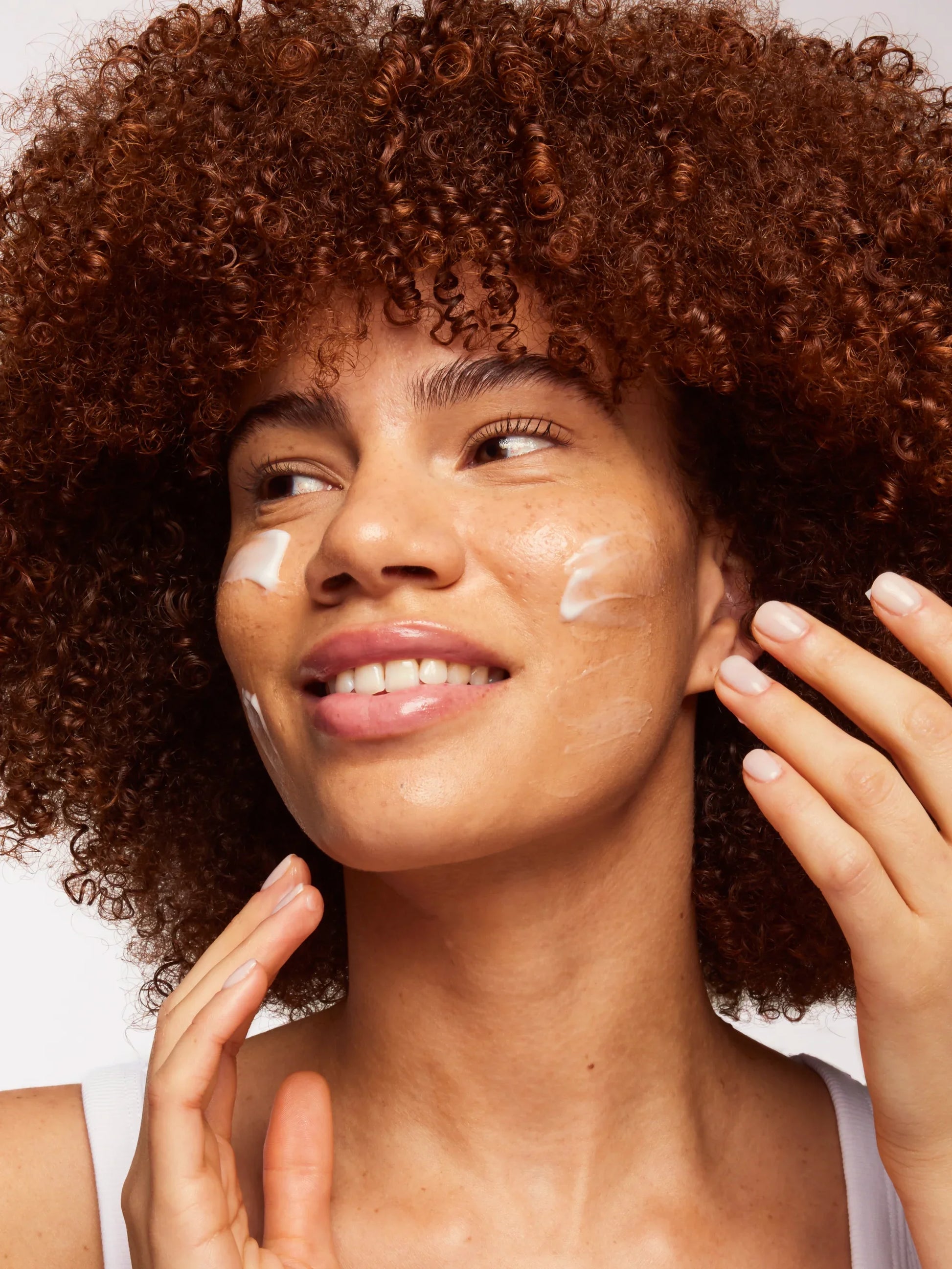
Context is also important. Seasonal adjustments, pro treatments you might be having alongside your at-home routine, age and climate can all play a role. If you’re using retinoids, acids, or in a colder climate for example — even oily skin might benefit from a thicker moisturiser at night whilst in repair mode. You can switch it up by using a lighter gel-cream during the day and a richer cream at night. The texture isn’t the enemy — the wrong formula is.
What are the differences between gels, whipped creams, soufflés and butters when it comes to moisturisers?
There is no one texture that is ‘better’ or more efficacious than another. Some can be more suitable for certain skin types, but it all comes down to formula and personal preference. Gel moisturisers tend to be light, watery and fast-absorbing with a cool, barely-there skin finish. They are often lower in oil content or water based, and aimed at oily, combination or balanced skin. The proportion of oils is usually insufficient for very dry skins on its own, but they are great for layering, for humid climates, and for using under SPF/makeup. A gel-cream texture delivers a lovely balanced skin feel that is both lightweight yet hydrating, and the best gel-creams deliver impressive barrier support, just via a lighter mechanism.
Whipped creams and soufflés tend to be more airy and fluffy in texture, are richer than gels but still feel lightweight on the skin. Aerated for their appealing whipped texture, they usually contain a blend of emollients, humectants, ceramides, lipids and cholesterol to nourish balanced or slightly drier/dehydrated skins. These can be great for creating a dewier finish under makeup and tend to have a plush, comforting feel with more textural ‘body’.
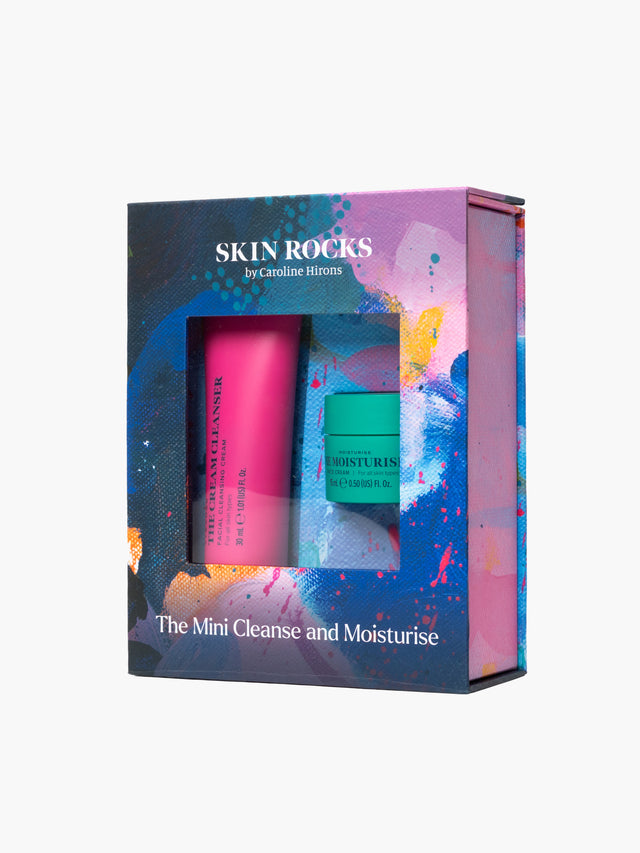
Check out Skin Rocks The Moisturiser
Finally, rich creams and butters tend to be predominantly oil based, great for locking in hydration as a final skincare step, and best for very dry, mature, or winter skin. Depending on the oils and butters in the formula, they would not be the best choice for oily or acne-prone skins.
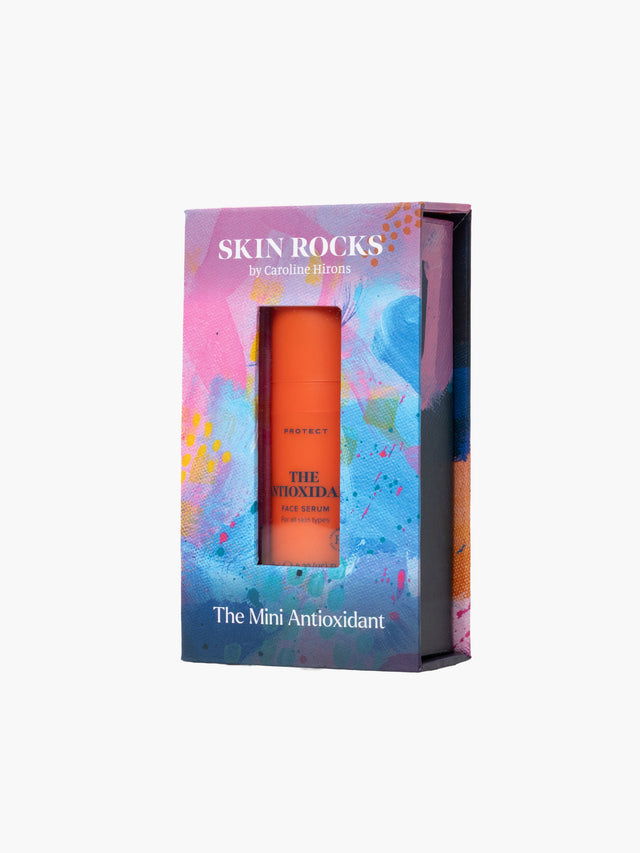
Check out Skin Rocks The Rich Moisturiser
Do lightweight creams contain enough lipids to repair barrier damage?
Depending on the brand and formulation, yes. When it comes to repairing your skin barrier, using lipid-rich products is vital, so look for ingredients that are known for strengthening and repairing, and are natural components of the skin’s NMF (natural moisturising factor) — these will help to replenish any lost lipids without feeling heavy on the skin. Jojoba and rosehip oils, fatty acids, and squalane are highly effective lipid-rich ingredients when it comes to barrier repair, ceramides help to strengthen the skin barrier and reduce water loss, and many sophisticated formulas will contain ceramide precursors – ingredients that trigger the skin to produce ceramides.
Cholesterol is also a natural part of the skin’s NMF that supports barrier function. Look out for cholesterol on the INCI list or pro-vitamin D3 (listed as 7-dehyxroxycholesterol), which helps to stimulate the skin’s cholesterol production.
You can absolutely have the best of both worlds, in whatever texture you love to use.
Words by Caroline Hirons, Skin Rocks Founder and Skincare Expert.