FREE UK SHIPPING ON ORDERS £50+






1. Opt for a gentle cleanser
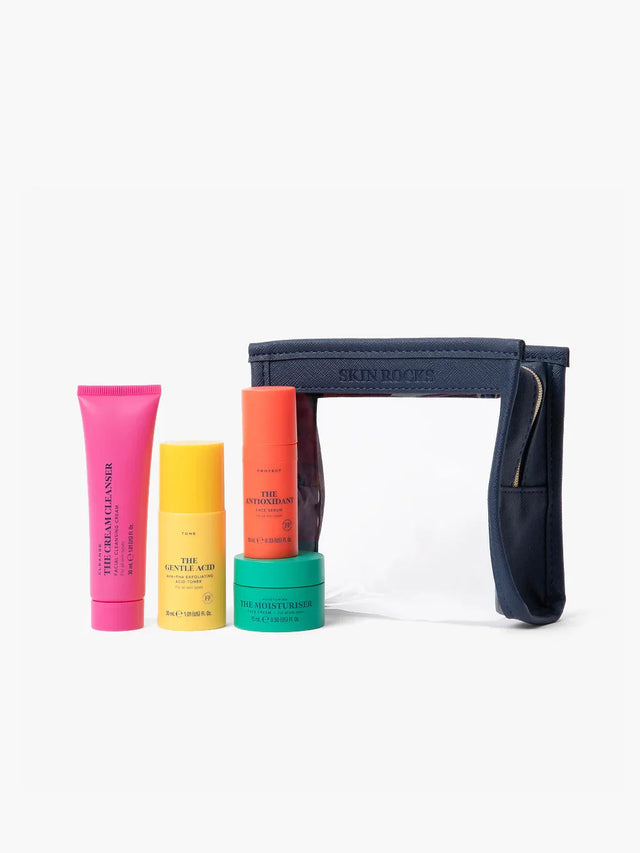
Redness can often be the result of a compromised skin barrier, so it is important to ensure you use a non-stripping cleanser that will keep your barrier intact and prevent existing redness and sensitivity from being aggravated. A gentle, easy-to-rinse cleanser with skin conditioning benefits will help minimise facial friction, and cream textures will ensure skin remains soft and comfortable.
2. Cool it
Heat can exacerbate skin redness, as vasodilation instigates a rush of blood to the skin’s surface. Avoid heat sources if possible and also keep water temperature relatively cool. Using hot water can make facial redness worse — especially if your skin is sensitive or prone to flushing — and can also disrupt the skin barrier, causing dryness, irritation, and burning and worsening conditions such as rosacea, or eczema. Lukewarm water is usually a better choice. If you notice redness after washing, try lowering the temperature and avoiding prolonged hot showers.
Diet can also tip the scales in favour of skin redness. Alcohol and spicy foods (those containing capsaicin) tend to promote a wash of colour in people with rosacea or even just with sensitive skin prone to redness.
If you have redness related to hot flushes, you can take down the temperature by applying a cold compress in the form of a cold flannel, cooling face mask or cryo globe for immediate relief.
3. Go fragrance free.
It’s best to opt for fragrance-free products if your skin is sensitive and avoid fragranced products while your skin barrier is compromised. If you skin is temporarily red and sensitised you can always introduce them again when your skin is stronger. A damaged barrier means the skin’s protective function is weakened, making it more prone to irritation and sensitivity, and fragrance compounds — both natural and synthetic — can penetrate more easily, increasing the risk of inflammation or allergic reactions.
Avoid astringents, toners or other skincare products that contain witch hazel or alcohol (listed as SD alcohol or denatured alcohol), fragrant plant oils or extracts, and any essential oil —they can be highly irritating and contain volatile compounds which can irritate the skin and cause oxidative stress.
Did you know that all Skin Rocks products are available in fragrance free? Discover the range here.
4. Hydrate, hydrate, hydrate
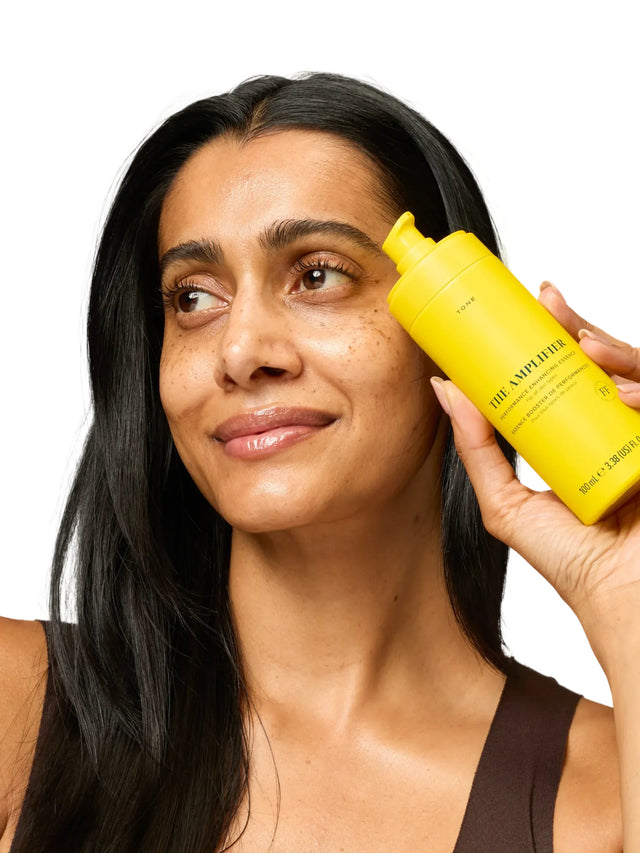
If your redness is associated with dehydration or a stressed skin barrier, using a hydrating essence that delivers skin-replenishing ingredients can help by holding water in the skin — making it feel less tight, irritated, and flushed. When your barrier is dry or compromised, your skin is more reactive and redness can become more noticeable, so hydration can support overall barrier recovery, particularly when followed by a moisturiser to lock it all in. Skin Rocks’ innovative essence The Amplifier not only boosts the performance of other skincare actives — including retinoids, vitamin C, antioxidants, peptides and hyaluronic acid — it offers instant and lasting hydration and is clinically proven to immediately increase moisturisation by 104%.***
5. Maintain Barrier Health
It’s important to remember that your skin barrier needs consistent maintenance, not just attention when skin is aggravated. Using a product designed specifically for the job will maintain long-term skin strength and resilience, which in turn will help minimise flares. Formulated to soothe the skin, reinforce your barrier, bolster skin's resilience against external aggressors and take down redness, our 'fire extinguisher in a bottle', The Support Oil is clinically proven to reduce skin redness by up to 42%*, making it a routine staple for anyone looking to calm their complexion.
However, maintaining a strong barrier is the bedrock of beautiful, healthy skin, and there’s nothing like having regular professional support to keep everything calm and resilient.
If topical products aren’t helping or you want expert intervention, your next port of call is to book in with a skincare professional. A supportive facial plan and targeted in-clinic treatments can get things back on track and support overall sensitivity, and treatments such as laser and light therapy can help to tackle more severe redness. If you are experiencing chronic redness and broken capillaries, it is also worth visiting your GP or dermatologist, who can investigate potential conditions such as rosacea which need appropriate medical interventions.
6. Exfoliate with the right product
Harsh scrubs are not recommended on any skin — but would be particularly ferocious on sensitive types — as they can cause microtears, damage the skin barrier, and make redness much worse. However, exfoliating with a gentle chemical exfoliant can reduce redness by clearing pore impurities and preventing the buildup and breakouts that can exacerbate flareups. BHA salicylic acid is known to help calm and soothe the skin while visibly reducing redness, and a freshly exfoliated skin will help skin get the most from soothing products applied afterwards. Skin Rocks The Gentle Acid contains panthenol and glycerin to calm and soothe the skin and is clinically proven to reduce redness.*
7. Choose replenishing moisturisers
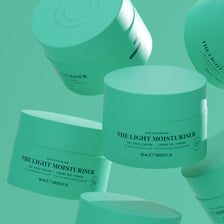
Replenishing moisturisers can be helpful for facial redness because they restore and strengthen the skin’s protective barrier, which can become weakened by dryness, irritation, or environmental factors. Ingredients such as ceramides, glycerin, pro-vitamin D3, hyaluronic acid, and squalane help replenish moisture and reduce water loss, making the skin less reactive. For redness specifically, Skin Rocks’ The Light Moisturiser is excellent — it packs all the punch and benefits of our bestseller, The Moisturiser, but in a weightless texture and is clinically proven to reduce red spots by up to 51% after 1 week.**
8. Wear sunscreen daily
Redness can often be a sign of sun damage, and the best way to prevent this is to keep your skin protected with sunscreen. Choose an SPF 50 formula you enjoy using and reapply every 2 hours if you are outside in the sun or working by a window. If your skin tolerates mineral sunscreens better there are lots of fantastic and affordable options available that leave little to no white cast.
9. Use a Targeted Treatment
If you have consistently red, react skin, look for treatments that will support both short and long-term results — it’s key to work on the skin’s longer-term stress responses to make it less reactive over time. Reactive skin (often called sensitive skin) is skin that is highly prone to irritation and responsive to stress (e.g., certain skincare products or temperature changes) and is notably different to compromised skin (often called sensitised skin), which is skin that has a compromised barrier (usually characterised by flakiness, dryness, redness and dehydration). It’s not unusual for the 2 to overlap, but they need different approaches. To help compromised skin, you need to replenish the skin’s barrier lipids to help reinforce the skin barrier, whereas reactive skin needs calming and soothing actives.
The Support Serum by Skin Rocks is a saviour treatment for red, reactive skin. It’s a lightweight, soothing, milky serum that helps to quickly reduce visible redness and irritation while facilitating a long-term improvement in the skin’s stress responses. Clinically proven to significantly reduce skin redness*, this lightweight, soothing serum has been designed specifically for sensitive, reactive skin types. This treatment will help to quickly soothe visible redness and signs of irritation while also reducing skin reactivity and sensitivity over time.
If you also have a compromised barrier or want even more intensive nourishment and skin comfort, it can be used in tandem with the Support Mask and Support Oil – this trio is
Designed specifically for this purpose and work brilliantly together as a barrier-first system.
The mask is excellent for giving skin an intensive boost a few times a week, will help long-term barrier strength and will maintain good consistent hydration and protection from TEWL. A luxurious, nourishing mask also feels wonderful and gives you 10 minutes to decompress and relax, which is good for both the skin and the spirit. Packed with ceramides and lipids, it’s like a cashmere blanket for sensitised skin: instantly comforting and calming and clinically proven to instantly increase skin moisturisation by up to 90%.** The consumer trial results have been equally impressive, with 74% of users agreeing that areas of skin redness were reduced*. Leave on as an overnight mask as the last step of your routine or as a quick-fix 10 treatment after cleansing and toning.
10. Colour correct
If you're looking for an instant solution to counteract redness and give you a more even-toned complexion, try using colour correcting makeup. These green-hued creams can be applied before makeup or worn alone to cancel out any red in the skin (think back to art class; green is opposite red on the colour wheel so acts as a corrective contrast). They can be a great temporary solution to take down the colour —good options include Dr Jart+ Cicapair Tiger Grass Colour Corrector, Erborian CC Red Correct, or Rosalique’s Anti Redness Miracle Formula SPF50.
Words by Ceyda Faik-Yildirim MSci – Team Skin Rocks
Qualifications – MSci Chemistry (Hons), VTCT Level 2 Facial Massage and Skincare, VTCT Level 3 Electrotherapy Methods and Anatomy & Physiology
***Based on an independent clinical study of 50 participants after 1 application, compared to untreated skin.
*Based on a clinical study of 50 participants with dull/lacklustre skin, using the product regularly for 4 weeks.
**Based on an independent clinical study of 50 participants, using the product daily for 4 weeks.
*Based on an independent clinical study of 53 participants, using the product daily for 8 weeks.
*Based on an independent consumer trial of 102 participants, using the product overnight.
**Based on an independent clinical study of 50 participants, after 1 use.