FREE UK SHIPPING ON ORDERS £50+






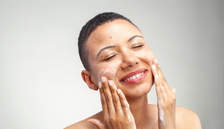
According to Mind’s “Big Mental Health Report 2025” 1 in 5 adults in England is living with a common mental health problem and rates are rising steadily. With stress and our emotional states significantly influencing the condition of our skin, understanding this relationship can help us to take proactive steps in maintaining both our mental and skin health.
The science behind the skin-mind connection
As the body's largest organ, it’s no surprise that our skin mirrors our internal health. When we experience stress, our brain releases hormones such as cortisol and adrenaline as part of the "fight or flight" response; hormones that can have detrimental effects on our skin, especially when produced in excess or over prolonged periods.
Cortisol influences multiple physiological processes, including stimulating the sebaceous glands to produce more oil (which can clog pores and lead to breakouts), inhibiting fibroblasts (the cells responsible for producing collagen and elastin), and leading to premature ageing by triggering chemical and enzymatic processes that reduce and degrade collagen and elastin and result in wrinkles, sagging, and loss of elasticity.
Stress can also increase inflammation, weaken the skin barrier (decreasing the skin’s ability to retain moisture and repair itself) and worsen existing conditions such as acne, eczema, and rosacea by weakening the immune system and making the skin more vulnerable to inflammatory conditions.
Gently does it
Maintaining a consistent skincare routine will help reinforce the skin's barrier and address stress-induced skin changes, but it’s key to keep things simple—take it back to basics with gentle, barrier-supporting skincare: a gentle fragrance-free cleanse followed by hydration and SPF should be all you need during the day. For evening, adding in a gentle retinoid can help boost skin renewal a couple of times a week if tolerated, and a facial oil will help restore lipid balance and comfort.
This is not the time to try out new products, introduce lots of actives or bring more stress to the skin with complex routines. Even things like using flannels or skin tools should be used with caution, as any skin friction or manipulation can irritate skin further. Try to find products and routines you enjoy using too. It's important to bring pleasure and joy to your skincare practices, especially when you are feeling overwhelmed.
Here are some top tips to tackle the most common stressed-skin concerns:
If you have dehydration
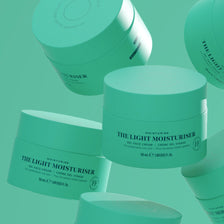
Humectants are excellent for dehydrated skin because they attract water into the skin's outer layer. While they can draw moisture from the air, they also pull water from the deeper layers of your skin. However, In dry climates or low-humidity environments, this water can evaporate more easily if it isn't sealed in, leaving skin feeling drier. To get the most benefit, apply humectants to slightly damp skin, then follow with a moisturiser containing barrier-supporting ingredients like ceramides and squalane to lock in hydration and reduce transepidermal water loss (TEWL). If you spend a lot of time in air-conditioned or heated environments, using a humidifier can also help keep skin hydrated.
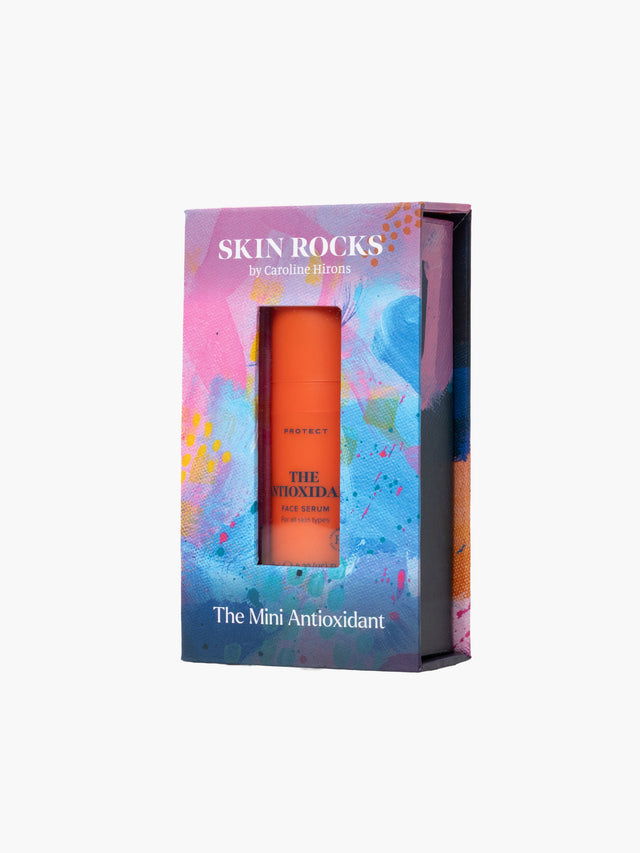
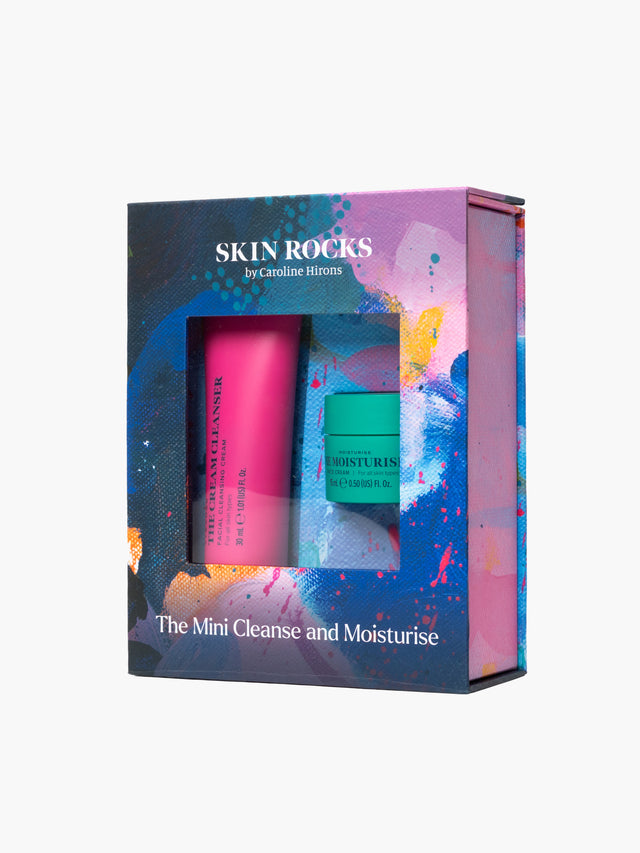
Recommended Products:
If you have dryness
Boost repair, restore lipid balance and replenish dry skin with nourishing ingredients such as ceramides, squalane, panthenol, cholesterol, fatty acids, and plant oils to strengthen the barrier and replenish dry skin. Emollients such as squalane, jojoba oil and almond oil will help replace lost oils and restore skin comfort. . Avoid harsh cleansers, over-exfoliating and very hot showers, as these can all strip the skin of its natural oils and make dryness worse.
If you have redness and irritation
Soothe irritation and calm inflammation with anti-inflammatory and barrier-supporting ingredients. Focus on ingredients such as niacinamide, allantoin, panthenol, green tea extract, and centella asiatica (cica). These will help reduce visible redness, strengthen the skin’s resilience, and prevent further sensitivity.
If you have Breakouts
Balance oil production and clarify the skin with gentle cleansers and exfoliants, taking care to not overdo exfoliation. Prioritise ingredients such as salicylic acid (BHA), niacinamide, zinc PCA, and azelaic acid to unclog pores, soothe inflammation, and support a clearer complexion without stripping the skin.

Selfcare is Healthcare
We are all familiar with the meteoric rise of the wellness movement and the importance of recognising the interplay between mental health and skin health. With our increasingly frenetic lifestyles, always-on culture — and propensity for putting ourselves last where family, career and life admin are concerned — it is more important than ever to acknowledge when we are starting to feel burnt out and overwhelmed. Aggravated skin concerns are a key sign that things are off-kilter, and your body’s way of signalling distress.
Even if you have minimal time, carving out a few minutes to look after your skin and take time for yourself is not a treat—it is fundamental healthcare. Your skin is your body’s largest organ and fostering good habits here will increase its resilience against stress. Unfortunately, stress is an unavoidable part of life, and while we cannot always eliminate it, we can adopt strategies to manage it and protect our skin.
There is no one-size-fits-all approach as everyone’s life situation is unique, but these supporting strategies can help:
- Mindfulness and Meditation- Taking time to slow down and be present — through mindfulness or meditation — can do wonders for both your mind and skin and help lower stress hormones like cortisol. Clearing your mind or simply focusing on your breath can also reduce anxiety, lift your mood, and even help stabilise blood pressure.
- Physical Activity - Moving your body regularly — whether it’s a brisk walk, yoga session, or gym workout — boosts blood flow and helps deliver oxygen and nutrients that keep your skin glowing. Exercise also releases endorphins, the body’s natural “feel-good” chemicals, giving you more energy and a brighter outlook on life.
- Quality Sleep —A good night’s rest is one of the best beauty secrets out there. While you sleep, your skin goes into repair mode, healing damage and restoring a healthy balance. Prioritising quality sleep not only improves your complexion but also strengthens your mood and resilience to stress.
- Acupuncture —This traditional technique uses ultra-fine needles to stimulate specific points on the body, promoting relaxation and natural healing. Acupuncture can ease muscle tension, reduce stress, and even help prevent or lessen the intensity of headaches and migraines.
- Breathwork —Simple yet powerful, breathwork helps you manage stress by teaching you how to control and deepen your breathing. Focusing on your breath can calm the mind, lower anxiety, and leave you feeling more grounded and centred.
- Yoga —Yoga brings together movement, breath, and mindfulness to create balance in both body and mind. Regular practice can improve flexibility, sleep quality, and emotional wellbeing.
Seek Professional Guidance
If stress-related skin issues persist, we would always recommend consulting with healthcare professionals/seeing a dermatologist who can assess your condition and provide a tailored treatment plan.
If you feel in need of mental health support, speak to your healthcare professional. Therapists or counsellors can assist in managing stress and mental health support is available for those seeking information or helpline support.
Mental Health Support Resources:
- Mind Info line - 0300 123 3393 and website
- Samaritans 24/7 Helpline - 116 123 and website
- SHOUT textline - text SHOUT to 85258 for 24/7 text support
- Campaign Against Living Miserably
Resources:
Words by Nicky Connors - Team Skin Rocks
Qualifications - Beauty Industry Professional, 25 years | BA (Hons) English | Beauty Writer | Copy Editor | HND Specialist Makeup