FREE UK SHIPPING ON ORDERS £50+






What is going on? My skin is all over the place but I have a great skincare routine and my skin is normally great.
The first thing I’ll say is that it's 100% normal for your skin to go through unexpected changes during and after menopause. Changing hormones can play havoc with your skin, and they don't follow a perfect path, so erratic skin behaviour is really common. When I was 40, I developed acne out of nowhere. Aside from the odd huge spot during my period in my teens, I always had clear skin, if anything leaning to the dry side. It’s vital to stay flexible and adapt your routine to match where your skin is at right now. Sometimes that means tweaking your routine— even daily.
Since coming off HRT for medical reasons my skin is super dry, dehydrated and sagging, with spots too, like puberty in reverse! What can I do?
Yep, menopausal skin is like puberty in reverse—because as with adolescence, your hormones are going wild. The rapid decline in oestrogen throughout menopause causes all manner of skincare shifts, and different hormones are constantly rising and falling —so you might be dealing with several seemingly contradictory skin issues all at once. Your collagen levels have dropped rapidly, you have little oestrogen to keep your skin plump and hydrated, and androgens (responsible for oiliness) can rise as your other hormones drop —causing breakouts and sometimes adult acne. It’s a potential minefield as these conditions compete for attention on your face. How bloody RUDE.
Keep hydrated inside and out, use a gentle cream or balm cleanser, and introduce a facial oil to amplify moisture. If you do develop spots, don’t treat your skin as if you have full-blown acne or you will trash your barrier. Treat the area (gently), not the whole face. Retinoids will help boost cell turnover and collagen, and antioxidants also play a vital role in helping menopausal skin by counteracting the effects of accelerated ageing; protecting against the free radicals that damage skin cells and lead to wrinkling and laxity.
If you can, also invest in salon treatments that boost collagen and elastin production to work on the core structure and scaffolding of your skin. This is where you will see the most benefits, in tandem with a solid, simple skincare routine.
Since the menopause my skin is so painful—with stinging, tightness and breakouts. Help!
Tightness, sensitivity and breakouts are massively common at this time. This is largely due to the decline in oestrogen, as this affects the skin’s hydration, elasticity, and ability to repair itself. Oestrogen helps maintain moisture by boosting the skin's production of natural oils and collagen, so as this drops the skin becomes thinner, drier, and less elastic; causing tightness and discomfort. The skin barrier also becomes weaker, making your skin more sensitive to irritants and environmental stressors that then lead to stinging and breakouts.
My advice would always be to pare things right back. Forget reaching for countless different products and serums - they’re only going to create more opportunities for your already sensitised skin to react. Use a gentle cream or oil-based cleanser that doesn’t strip the skin’s natural oils, avoid exfoliants, fragrance or foaming cleansers, and look for hyaluronic acid, ceramides and niacinamide that can support the skin barrier, soothe irritation and regulate sebum. Barrier repair and anti-inflammatory ingredients such as colloidal oatmeal, aloe vera, centella asiatica and azelaic acid can also work wonders at reducing soreness and inflammation.
I would also highly recommend you introduce a facial oil. OIls such as rosehip, jojoba, macadamia or argan oil can deeply nourish the skin, restore moisture, and improve elasticity. The Skin Rocks Support Oil is incredible and is renowned amongst fans as the ‘fire extinguisher’ so this will really help with the stinging and tightness. Its lipid-rich botanical actives and oils focus on instant calming whilst helping to reduce moisture loss and the appearance of redness, and it is shown to reduce skin redness by up to 42%.* If your skin pain is intense or persistent, consult a dermatologist.
My eyelids seem greasy/sweaty and my makeup is slipping off - why?
Again, the decline in oestrogen and relative increase in androgens can lead to changes in your skin’s oil production, even in areas that might not have been oily before, such as the eyelids.The skin on your eyelids is very thin, so changes in oil production can be more noticeable there, plus eyelids have unique oil glands called meibomian glands which produce an oily substance that helps lubricate the eyes. During menopause, these glands can become overactive, leading to excess oil production, but if there are significant changes in the amount or texture of oil produced it would be worth seeing a specialist to rule out any underlying eye conditions.
If you're using eye creams, opt for lightweight, gel-based formulations that won't add extra oil and try an eyelid primer before makeup. Longwear or matte formulas tend to stay put better than shimmer and cream-based ones which can break down more easily on oily skin.
My hair is thinning badly after early menopause- what can I do or use to help?
It just keeps on coming doesn’t it? Hair loss, thinning and even itchy, irritated scalps can become worse during menopause—the scalp is just an extension of your skin after all. Oestrogen and progesterone promote hair growth and keep hair in the anagen (growing) phase for a longer period, so when these hormones drop it can shorten the hair growth cycle and cause hair to thin and fall out more quickly. Stress and lack of sleep (both common to menopause) can also make matters worse but it’s not all doom and gloom!
There are lots of great scalp and hair care brands out there to help tackle different concerns, and there have never been better supplements on the market: Biotin, vitamin D, zinc and magnesium can all support hair health. Better Not Younger is the first brand designed specifically to address the needs of hair that's seen a decade (or five), and many great hair brands have products that promote hair density.
Low-level laser therapy (LLLT) is a non-invasive treatment that can stimulate hair follicles and help promote hair growth, so it might be worth researching a clinic that offers this.
Why is my skin changing so much? I’ve developed rosacea, my previously oily skin has become drier and all my previous skin care routines no longer work.
This erratic skin behaviour is the hormone roller coaster, particularly if you're nearing the end of perimenopause. Rosacea can evolve over time and lead to sebaceous hyperplasia, where the skin produces excess oil as a defence mechanism, so this could be a contributing factor. Skin often reverts back to oilier behaviour as oestrogen levels drop and androgens (which control sebum) rise. If the oiliness is persistent or worsening, a dermatologist can help, particularly if you’re dealing with a more severe rosacea flare-up.
Cleansers and moisturisers are the two things that can make the quickest difference. Use a very gentle cleanser in the morning and an oil-based cleanser in the evening, which will tackle excess oil without stripping your skin. Go for lightweight, oil-free hydrating lotions instead of richer creams when you are oily and switch in with a richer cream when drier. You might also benefit from adding a product with niacinamide to help control oil, reduce inflammation, and keep rosacea calm; it can regulate sebum without causing dryness so may help these overlapping concerns. Also if you’re using acids or retinoids, don’t push through with using these if your skin is having a rosacea flare-up or is causing you any discomfort.
What is the best moisturiser for ageing and dry skin? My skin is so dry and lacklustre.
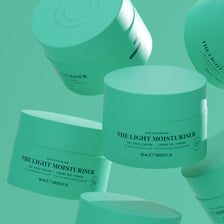
For moisturisers, you cannot beat the Skin Rocks’ The Rich Moisturiser. It gives instant glow, increases the level of ceramides in the skin, strengthens the skin barrier and reduces water loss whilst also helping to combat the natural decline of the skin's lipids (fats). It’s a rich, deeply nourishing cream designed to eliminate flakiness, dullness and dryness, and is clinically proven to increase moisturisation by 50% after 1 hour.**
My skin is so dry and dull. Other than moisture, how can I tackle the dullness and lack of glow?
Menopausal dryness affects everything, not just your skin, so make sure you're drinking enough water and eating omega-rich foods— salmon, flaxseeds, and walnuts are good sources— to support skin hydration and glow. Look to incorporate a good exfoliating acid and retinoid if you don’t already, as these will help boost glow, eradicate dull skin cells and boost cell renewal to give your skin its ‘oomph’ back. Beyond skincare you can always fake it, I love Chanel’s Illuminating Primer and Vieve Skin Dew.
Product Recommendations:
-
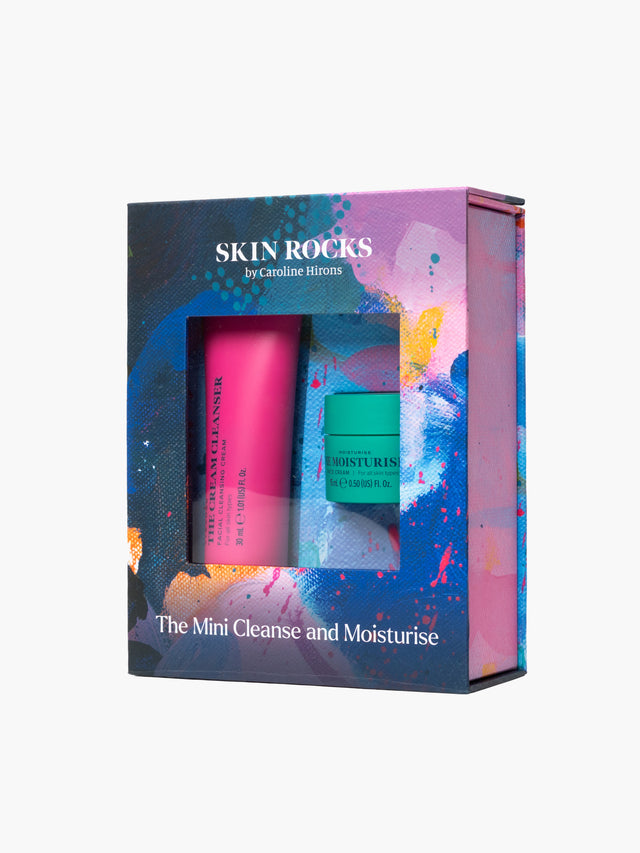
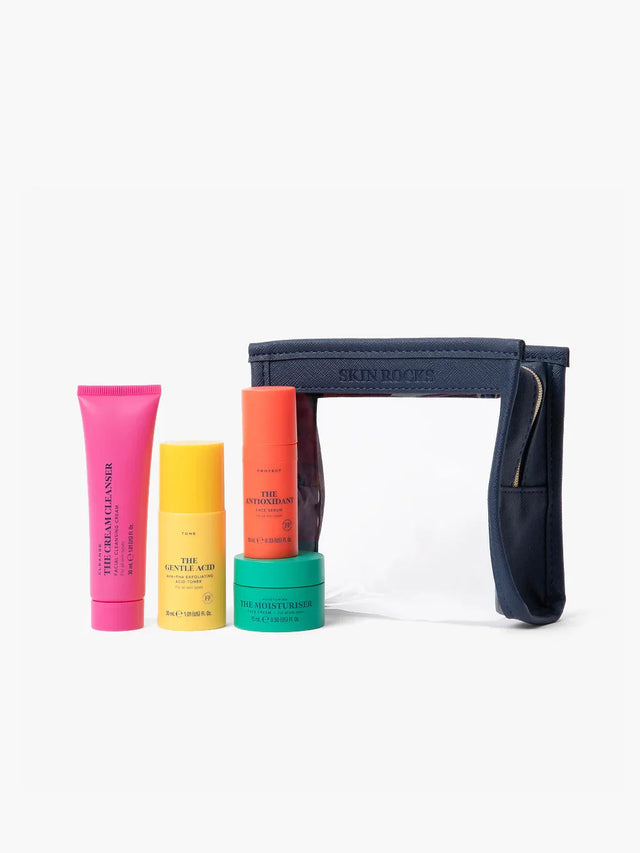
The Cream Cleanser — Skin Rocks by Caroline Hirons
-
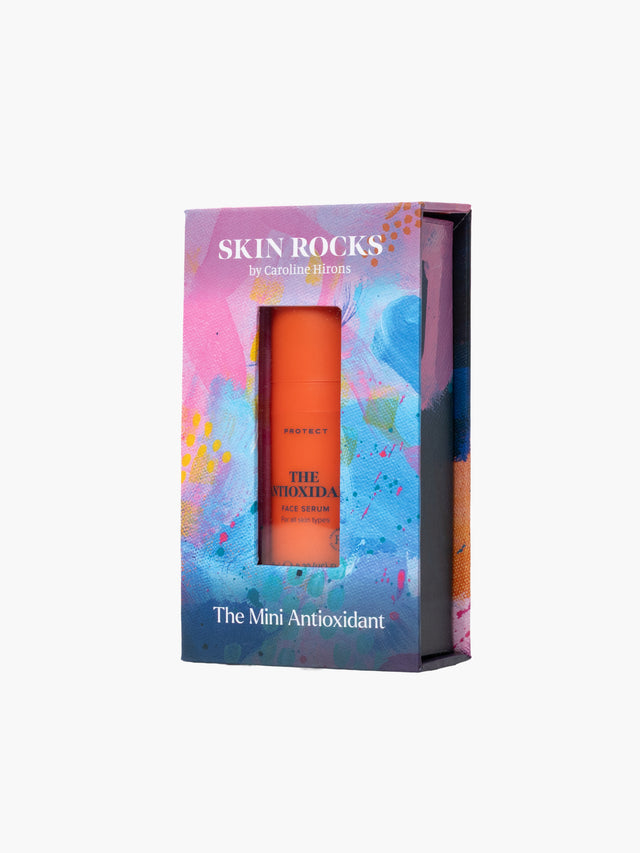
The Antioxidant — Skin Rocks by Caroline Hirons
- The Support Oil — Skin Rocks by Caroline Hirons
- The Support Mask - Skin Rocks by Caroline Hirons
- The Rich Moisturiser — Skin Rocks by Caroline Hirons
Words by Caroline Hirons, Skin Rocks Founder and Skincare Expert
*Based on 47 participants using the product daily for 4 weeks. Independent Clinical Study 2022.
**Based on 53 people after a single application in a clinical study.